
Centerless Ground Bar for Industrial Mixer and Agitator Shafts
Industrial mixers and agitators rely on shafting that can rotate, align, and transfer motion consistently. In food processing, chemical equipment, and industrial systems, shaft material must support fit, surface condition, and corrosion resistance based on the operating environment.
For buyers sourcing centerless ground agitator shaft material, the key concerns are outer diameter consistency, straightness, surface finish, and stainless grade selection. These factors help determine how the bar performs after machining, assembly, or use in rotating equipment.
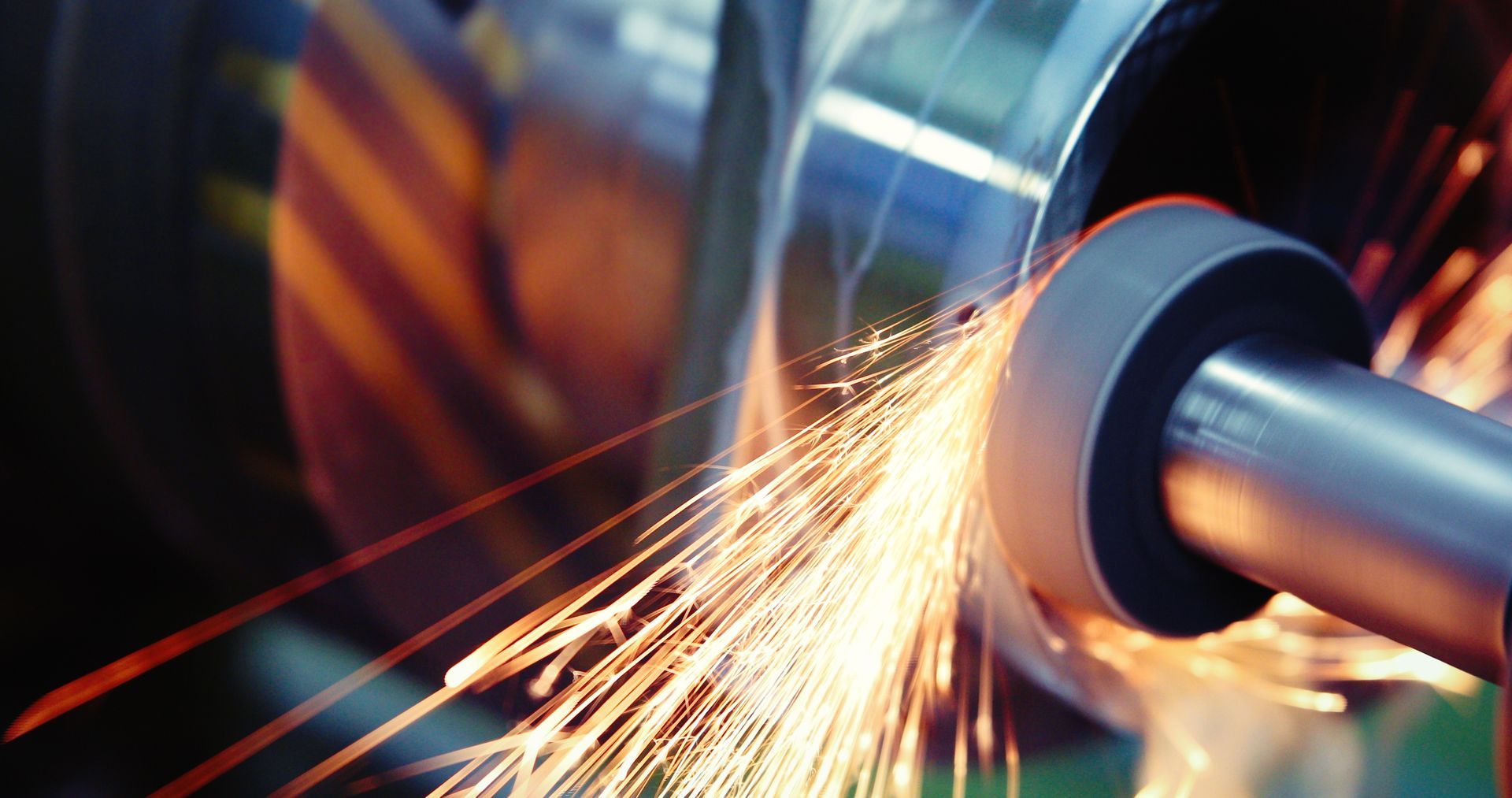
At Action Stainless, centerless grinding supports stainless steel bar, tubing, and pipe applications where OD consistency and surface condition matter. For mixer and agitator shaft applications, precision ground stainless bar can support more predictable fit and movement than standard bar stock.
Why Mixer and Agitator Shafts Need Consistent Material
Agitator and mixer shafts often operate under rotation, load, and exposure to process environments. If the shaft is not straight or consistent in diameter, the assembly may experience vibration, uneven wear, or alignment issues.
Consistent shaft material helps support:
- Bearing and coupling fit
- Rotation and alignment
- Surface contact with seals or guides
- Downstream machining accuracy
These requirements make material preparation important before final machining or installation.
OD Control for Shaft Fit
Outer diameter control is important when stainless bar will be used for mixer shaft or agitator shaft applications. The bar may need to fit into bearings, couplings, seals, or machined components.
A bar can meet basic size expectations but still create fit issues if OD consistency is not suitable for the application. Centerless grinding helps improve OD consistency by removing material around the bar in a controlled way.
Action Stainless lists centerless grinding tolerances as tight as ±0.0005 inch, which supports applications where diameter control is important.
Straightness and Rotating Equipment
Straightness is especially important for longer shafting used in mixers and agitators. A shaft that is not straight enough for the application may create vibration, uneven loading, or premature wear on related components.
Action Stainless lists Pump Shaft Quality, also known as PSQ, straightness up to 0.0005 inch per ft for centerless ground material. Buyers should specify straightness when the final component will rotate, align, or transfer motion across a span.
Straightness should be based on the final application, not assumed as part of every ground bar order.
Surface Finish and Process Environments
Surface condition matters in mixer and agitator shafting because the shaft may interact with seals, bearings, product contact areas, or cleaning processes.
Action Stainless lists surface finish capability as good as 5 RMS (RA) for centerless grinding. A controlled finish can help support smoother contact and more predictable downstream machining.
If added surface refinement is required for the final application, polishing and finishing may support the material requirements.
Stainless Grade Selection
Mixer and agitator shafts may be used in food, chemical, moisture-exposed, or general industrial environments. The right stainless grade depends on corrosion exposure, mechanical load, cleaning conditions, and machining needs.
Common selection factors include:
- Corrosion environment
- Shaft load and rotation
- Machining or threading requirements
- Surface finish expectations
- Cleaning or washdown exposure
Action Stainless supplies stainless steel products, including stainless round bar and precision ground bar, for industrial applications where material consistency matters.
Ground Bar vs Standard Bar for Agitator Shafts
Standard bar stock may be suitable when the shaft will be heavily machined or used in a less demanding assembly. However, mixer and agitator shafting often requires more control when fit, straightness, and surface condition matter.
| Material Condition | Typical Use | Agitator Shaft Consideration |
|---|---|---|
| Standard bar | General fabrication | May require additional machining |
| Accuracy stock | Moderate control | Useful for basic shaft work |
| Centerless ground bar | Controlled OD and surface | Useful for precision shafting |
| PSQ ground bar | Shaft-like applications | Useful when straightness matters |
This comparison helps buyers decide whether centerless ground bar is appropriate for the application.
What Buyers Should Include in an RFQ
A complete RFQ helps reduce quoting delays and better aligns the material with the final component.
Useful RFQ details include:
- Stainless grade
- Starting diameter
- Final OD
- Diameter tolerance
- Finished length
- Quantity
- Surface finish expectation
- Straightness requirement, if needed
- Bearing, coupling, or seal fit details
- Final mixer or agitator application
For projects requiring additional preparation, value-added services may support downstream fabrication and processing needs.
Common Specification Mistakes
One common mistake is specifying only diameter and grade without explaining how the shaft will function. If the bar must rotate, seal, or align inside equipment, those requirements should be communicated.
Another mistake is assuming that all ground bar automatically meets the same straightness, finish, or tolerance expectations. Buyers should clearly define which features are critical.
How Action Stainless Supports Mixer and Agitator Shaft Applications
Action Stainless supports stainless steel bar applications where OD consistency, surface condition, and straightness are important. Its centerless grinding capabilities include stainless steel bar, tubing, and pipe, with listed diameters from 0.250 inch to 9.5 inch and lengths from 12 feet to 24 feet.
For mixer and agitator shaft applications, clear specifications help align material preparation with fit, rotation, and downstream machining requirements.
Centerless ground stainless bar can support industrial mixer and agitator shaft applications by improving OD consistency, surface condition, and straightness. These factors matter when shafting must rotate smoothly, align properly, and perform in demanding environments.
Contact us to discuss stainless steel material options and fabrication-related considerations.
FAQs: Centerless Ground Bar for Agitator Shafts
What type of stainless bar is used for agitator shafts?
Agitator shafts may use stainless steel bar when corrosion resistance, cleanability, or durability is important.
Why use centerless ground bar for mixer shafts?
Centerless ground bar provides improved OD consistency, surface condition, and straightness compared to standard bar stock.
Does straightness matter for agitator shafting?
Yes. Straightness can affect rotation, alignment, vibration, and fit within bearings, seals, or couplings.
What should I include in an agitator shaft RFQ?
Include grade, final OD, tolerance, length, quantity, finish expectations, straightness needs, and fit details.
Does Action Stainless support stainless bar for mixer shaft applications?
Yes. Action Stainless supplies stainless steel bar and supports centerless grinding for applications where OD consistency and surface condition matter.