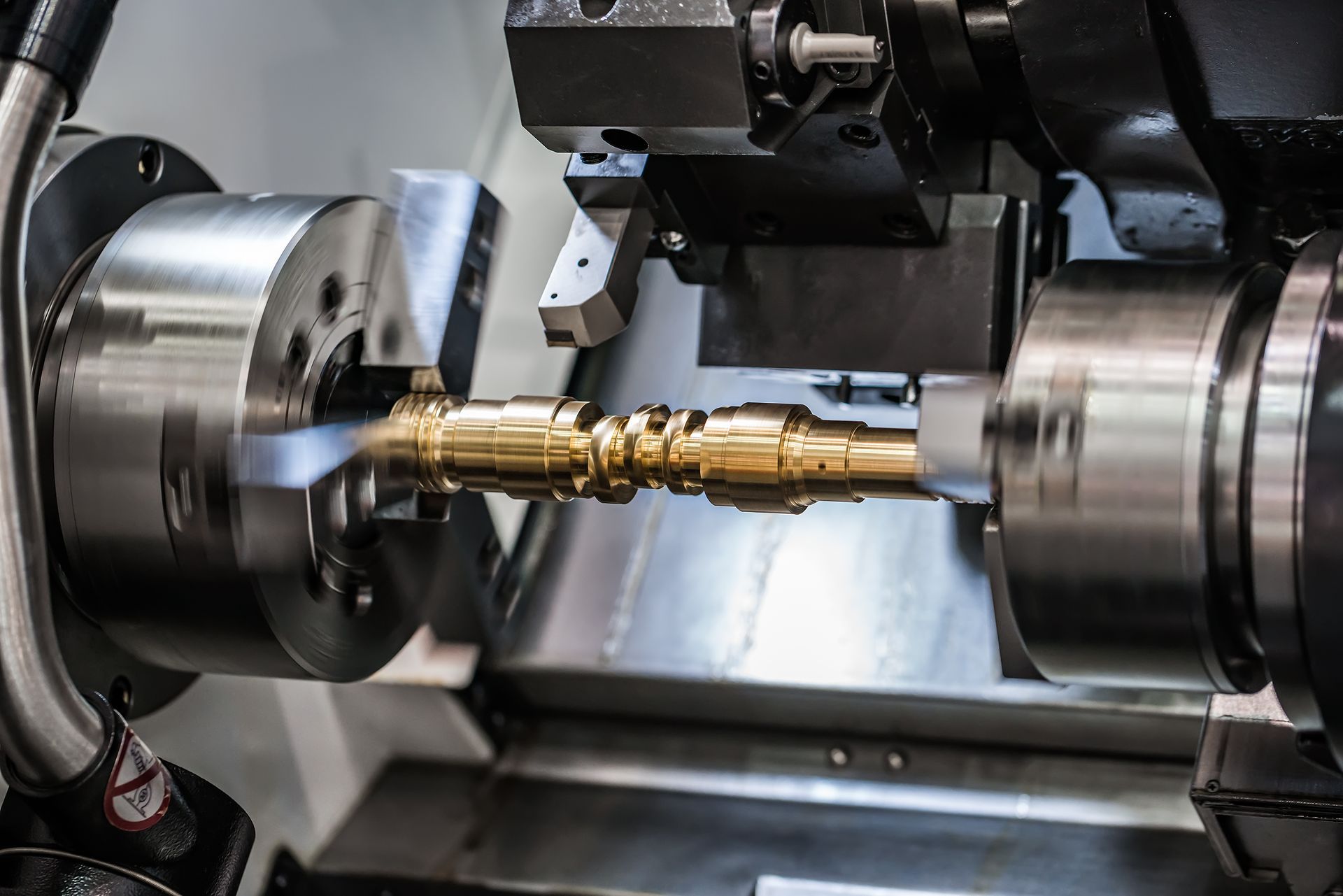

CNC Milling Duplex Stainless: Tooling, Chip Control, and Setup Considerations
Duplex stainless steel is valued for its strength and corrosion resistance, but it can require careful planning during CNC milling. Compared with more common stainless grades, duplex stainless may place higher demands on tooling, chip control, workholding, and setup strategy.
For engineers, buyers, and machine shops, understanding these considerations before quoting can help reduce surprises during production. A clear RFQ should define material grade, part geometry, tolerance requirements, and surface expectations before milling begins.
At Action Stainless,
CNC milling services support projects involving duplex stainless steel, nickel alloys, and aluminum alloys. For duplex stainless parts, proper setup and communication help align machining expectations with the final application.
Why Duplex Stainless Requires Careful Milling
Duplex stainless has a mixed austenitic and ferritic structure, which gives it a combination of strength and corrosion resistance. Those same properties can make machining more demanding.
Milling duplex stainless requires attention to:
- Tool selection
- Chip formation
- Heat control
- Workholding stability
- Cutting parameter consistency
These factors affect tool life, part quality, and production efficiency.
Tooling Considerations for Duplex Stainless
Tooling selection is critical when milling duplex stainless. The material can be more resistant to cutting than standard stainless grades, so tooling must be chosen to support stable cutting and heat management.
Cutting tools should be matched to the part geometry, material condition, and operation type. Roughing, slotting, pocketing, and finishing may each require different tooling strategies.
Tool wear should be monitored closely because worn tools can increase heat, affect finish, and reduce dimensional consistency.
Chip Control During Milling
Chip control matters because poor chip evacuation can lead to recutting, heat buildup, and surface issues. Duplex stainless chips can be tough, so chip movement away from the cutting zone is important.
Good chip control may depend on:
- Tool geometry
- Feed strategy
- Coolant application
- Pocket or feature design
- Machine setup
If chips remain trapped in the cut, they can affect surface finish and tool performance.
Heat Management and Work Hardening
Heat is a major consideration when milling stainless alloys. Excessive heat can affect tool life, surface condition, and dimensional consistency.
Duplex stainless may also respond poorly to rubbing or inconsistent cutting. Maintaining steady tool engagement helps reduce the risk of work hardening at the surface.
Buyers do not need to define machining parameters in most RFQs, but they should provide enough part and material detail so the supplier can evaluate machining complexity.
Setup and Workholding Considerations
A stable setup is essential for duplex stainless milling. If the part shifts, vibrates, or lacks support during machining, tolerance and finish can suffer.
Setup planning should consider:
- Part size and shape
- Feature locations
- Clamping access
- Thin walls or unsupported areas
- Critical tolerances
Good workholding helps support repeatability and reduces the risk of scrap.
Duplex Stainless Milling Considerations
| Consideration | Why It Matters |
|---|---|
| Tooling | Affects cutting stability and tool life |
| Chip control | Helps reduce recutting and heat buildup |
| Heat management | Supports surface condition and consistency |
| Workholding | Helps maintain tolerance and repeatability |
| Feature geometry | Influences milling strategy and setup time |
This table helps buyers understand why duplex stainless milling requires planning before production begins.
What Buyers Should Include in an RFQ
A complete RFQ helps reduce back-and-forth and improves quote accuracy. For duplex stainless milling, drawings and material details are especially important.
Useful RFQ details include:
- Duplex stainless grade
- Material form and starting size
- Finished part drawing
- Critical tolerances
- Surface finish expectations
- Quantity
- Required features
- Final application
Action Stainless supplies stainless steel products for projects where material selection and machining requirements matter.
Common RFQ Mistakes
One common mistake is sending a part drawing without identifying the duplex stainless grade. Different material conditions can affect machining behavior and quoting.
Another mistake is failing to call out critical tolerances. If every dimension appears equally important, the quote may assume more control than the part actually requires.
Buyers should also identify surface finish requirements only when they affect function, appearance, or assembly.
How Action Stainless Supports Duplex Stainless Milling
Action Stainless provides CNC milling services for duplex stainless steel and other alloys. Clear drawings, material details, and application requirements help align the machining process with part function.
For projects requiring additional preparation, value-added services may support material processing and fabrication planning. If the part begins as bar, plate, or another stainless form, clear specifications help connect material supply with machining needs.
CNC milling duplex stainless requires careful attention to tooling, chip control, heat management, and setup. These factors influence machining efficiency, dimensional consistency, and surface quality.
By providing complete RFQ details and identifying critical requirements early, buyers can reduce quoting delays and support better production outcomes.
Contact us to discuss stainless steel material options and fabrication-related considerations.
FAQs: CNC Milling Duplex Stainless
Is duplex stainless difficult to machine?
Duplex stainless can be more demanding to machine than some common stainless grades because of its strength, toughness, and heat behavior.
What affects tool life when milling duplex stainless?
Tool life can be affected by tooling choice, heat control, chip evacuation, workholding, and cutting stability.
Why is chip control important in duplex stainless milling?
Poor chip control can cause recutting, heat buildup, surface issues, and faster tool wear.
What should I include in a duplex stainless milling RFQ?
Include grade, starting material form, drawing, tolerances, surface finish expectations, quantity, and final application.
Does Action Stainless offer CNC milling for duplex stainless?
Yes. Action Stainless offers CNC milling services for duplex stainless steel, nickel alloys, and aluminum alloys.