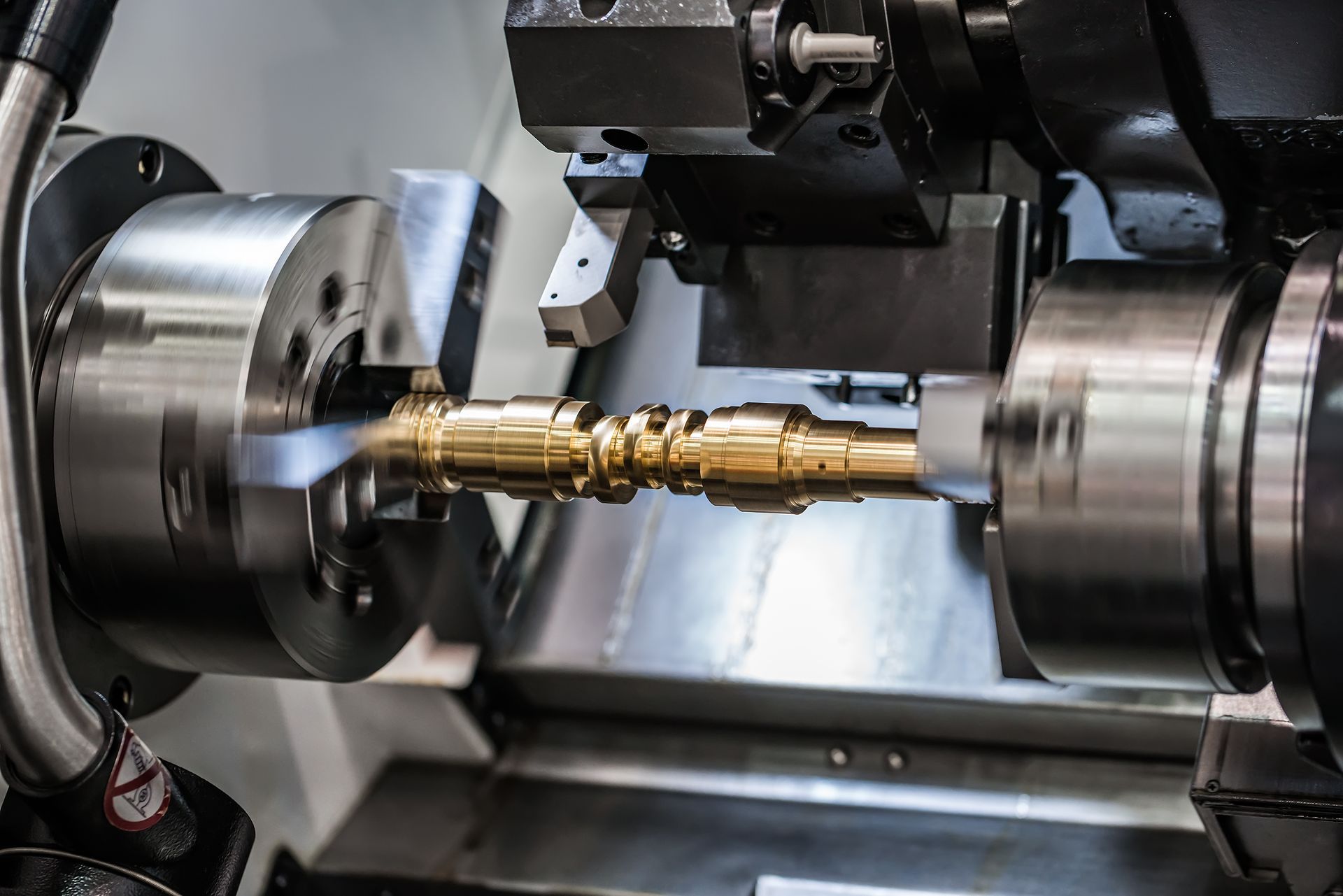

CNC Turning for Shaft Components: Threads, Shoulders, and Callouts That Prevent Scrap
CNC turning is widely used to produce shaft components with precise diameters, threads, and shoulders. While the process is highly repeatable, many production issues originate from unclear or incomplete drawing callouts.
For engineers and buyers, small gaps in specification can lead to scrap, rework, or delays during machining. Clear communication of thread requirements, shoulder geometry, and tolerances helps ensure parts are produced correctly the first time.
At
Action Stainless, stainless steel bar is supplied and prepared for machining processes such as CNC turning. Understanding how to define shaft features properly helps align material and machining requirements.
Why Shaft Callouts Matter in CNC Turning
Shaft components often include multiple features that must work together. Threads, shoulders, and diameter transitions all affect how the part fits and functions.
When callouts are unclear, issues can include:
- Incorrect thread fit
- Improper shoulder location
- Machining rework
- Assembly problems
Clear specifications reduce the risk of these issues and improve production efficiency.
Thread Callouts for Turned Shafts
Threads are one of the most common sources of confusion in shaft design. A thread callout must define not only the size, but also the class and form.
Key elements to include:
- Thread size and pitch
- Thread class or fit
- Length of engagement
- Thread direction if not standard
Incomplete thread definitions can result in parts that do not assemble correctly or require rework.
Understanding Thread Class and Fit
Thread class defines how tight or loose the fit will be between mating components.
- Tighter classes provide less clearance
- Looser classes allow easier assembly
- Fit selection depends on application requirements
Choosing the correct thread class is important for both performance and manufacturability.
Shoulder Design and Location
Shoulders are used to locate components, control spacing, and transfer load along the shaft. Their position and geometry must be clearly defined.
Important shoulder considerations:
- Exact location along the shaft
- Diameter transition
- Corner condition at the shoulder
A poorly defined shoulder can lead to improper assembly or stress concentration.
Shoulder Transition and Tooling Considerations
Sharp transitions between diameters can be difficult to machine and may require special tooling. In many cases, a defined transition is used to improve machinability.
Consider:
- Whether a sharp corner is required
- If a transition feature is acceptable
- How the shoulder interacts with mating components
Clear definition helps avoid confusion during machining.
Tolerance Callouts for Shaft Features
Tolerance control is critical for shaft components, especially where parts must fit together.
Key areas where tolerance matters:
- Bearing fits
- Thread engagement
- Diameter transitions
- Shoulder positioning
Overly tight tolerances can increase machining time and cost, while insufficient tolerance control can affect performance.
Common CNC Turning Issues That Lead to Scrap
Many machining problems are caused by incomplete or unclear drawings.
Common causes include:
- Missing thread class
- Undefined shoulder locations
- Conflicting tolerance requirements
- Lack of clarity on critical features
These issues often require rework or lead to rejected parts.
Best Practices for Shaft Callouts
Choosing whether to specify protective film depends on how the material will be used.
Consider:
- Whether the surface will be visible
- If surface condition affects performance
- How many handling steps are involved
If surface quality is important, protective film is often a practical option.
Summary of Key Shaft Callout Elements
| Feature | What to Define |
|---|---|
| Threads | Size, pitch, class, length |
| Shoulders | Location, diameter change |
| Tolerances | Critical dimensions and fits |
| Transitions | Corner or radius condition |
| Overall geometry | Relationship between features |
Material Considerations for CNC Turning
Material selection also affects machining performance. Stainless steel behaves differently than other metals during turning and requires proper setup and tooling.
Consistent material quality helps support:
- Predictable machining behavior
- Stable surface condition
- Reliable dimensional control
Why Clear Communication Improves Machining Outcomes
CNC turning is a precise process, but it depends on accurate input. Clear drawings and specifications reduce ambiguity and help machinists produce parts efficiently.
When requirements are well defined:
- Scrap is reduced
- Rework is minimized
- Production runs more smoothly
This benefits both the supplier and the customer.
How Action Stainless Supports CNC Turning Applications
Action Stainless supplies stainless steel bar prepared for machining processes such as CNC turning. By providing consistent material and supporting dimensional requirements through processes like centerless grinding, the material is better suited for precision shaft components.
CNC turning for shaft components depends on clear and complete callouts. Threads, shoulders, and tolerances must be properly defined to prevent scrap and ensure parts meet application requirements.
By focusing on accurate specifications and understanding how each feature affects machining,
engineers and buyers can improve efficiency and reduce production issues.
Contact us to discuss stainless steel material options and fabrication-related considerations.
FAQs: CNC Turning for Shaft Components
What information is needed for thread callouts?
Thread size, pitch, class, and length should all be clearly defined.
Why are shoulders important in shaft design?
They control positioning, spacing, and load transfer between components.
What causes scrap in CNC turning?
Incomplete drawings, unclear tolerances, and missing specifications are common causes.
Do tighter tolerances increase machining cost?
Yes. Tighter tolerances require more control and time during machining.
Does Action Stainless support CNC turning applications?
Yes. Action Stainless supplies stainless steel bar suitable for machining and turning applications