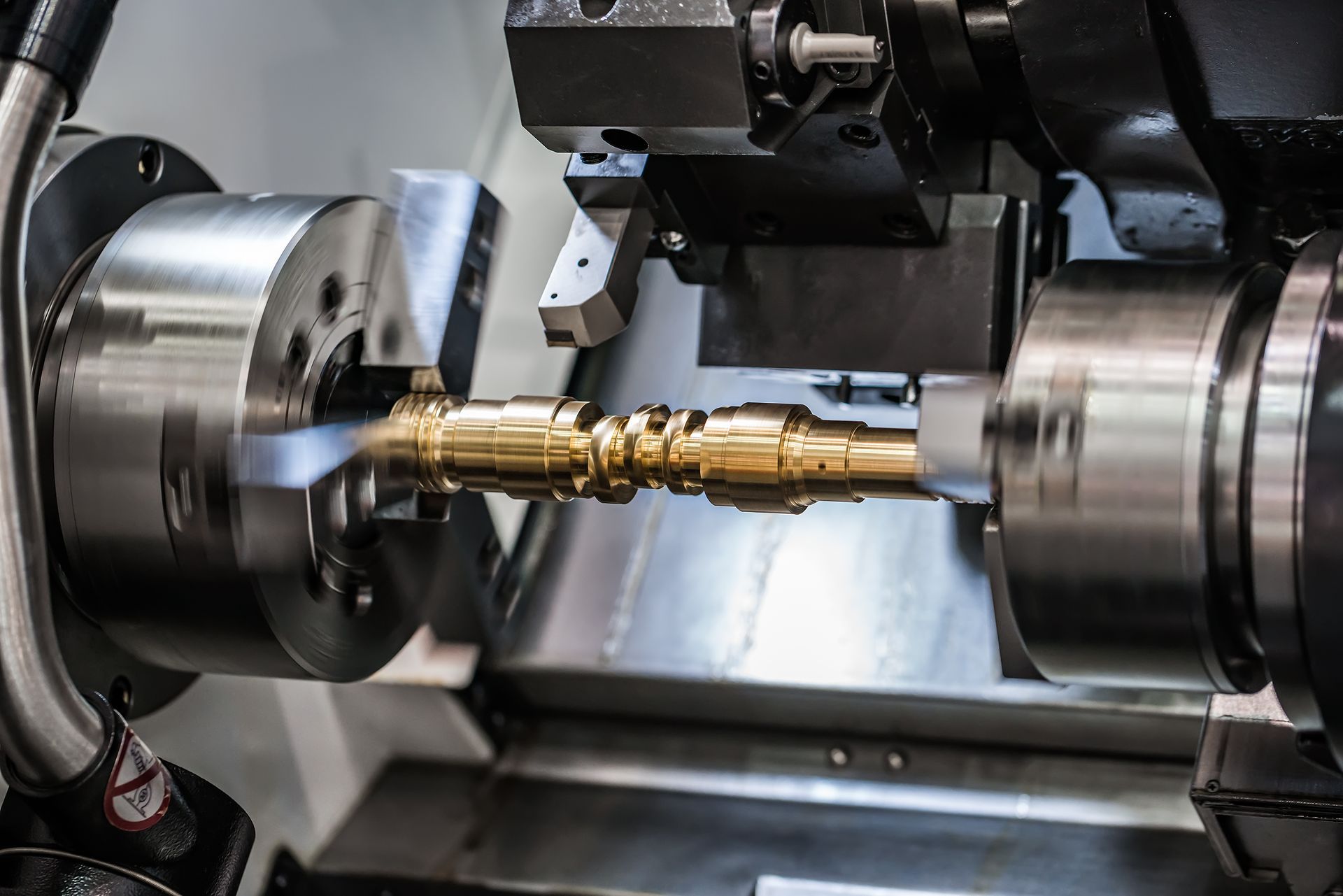

Stainless Steel Bar Tolerances Explained: Diameter, Straightness & Finish
When sourcing stainless steel bar for machining or fabrication, dimensional tolerances play a critical role in part performance, machining efficiency, and assembly accuracy.
Understanding how diameter tolerance, straightness, and surface finish are specified helps engineers and procurement teams select the right material for their application.
At Action Stainless, we supply stainless steel bar in a variety of grades and can provide centerless ground bar
when tighter dimensional control is required. This guide explains what stainless steel bar tolerances mean and why they matter.
What Are Stainless Steel Bar Tolerances?
A tolerance defines the allowable variation from a specified dimension. In stainless steel round bar, tolerances typically apply to:
- Outside diameter
- Straightness
- Surface condition or finish
These characteristics affect how the bar performs during machining, welding, and final assembly.
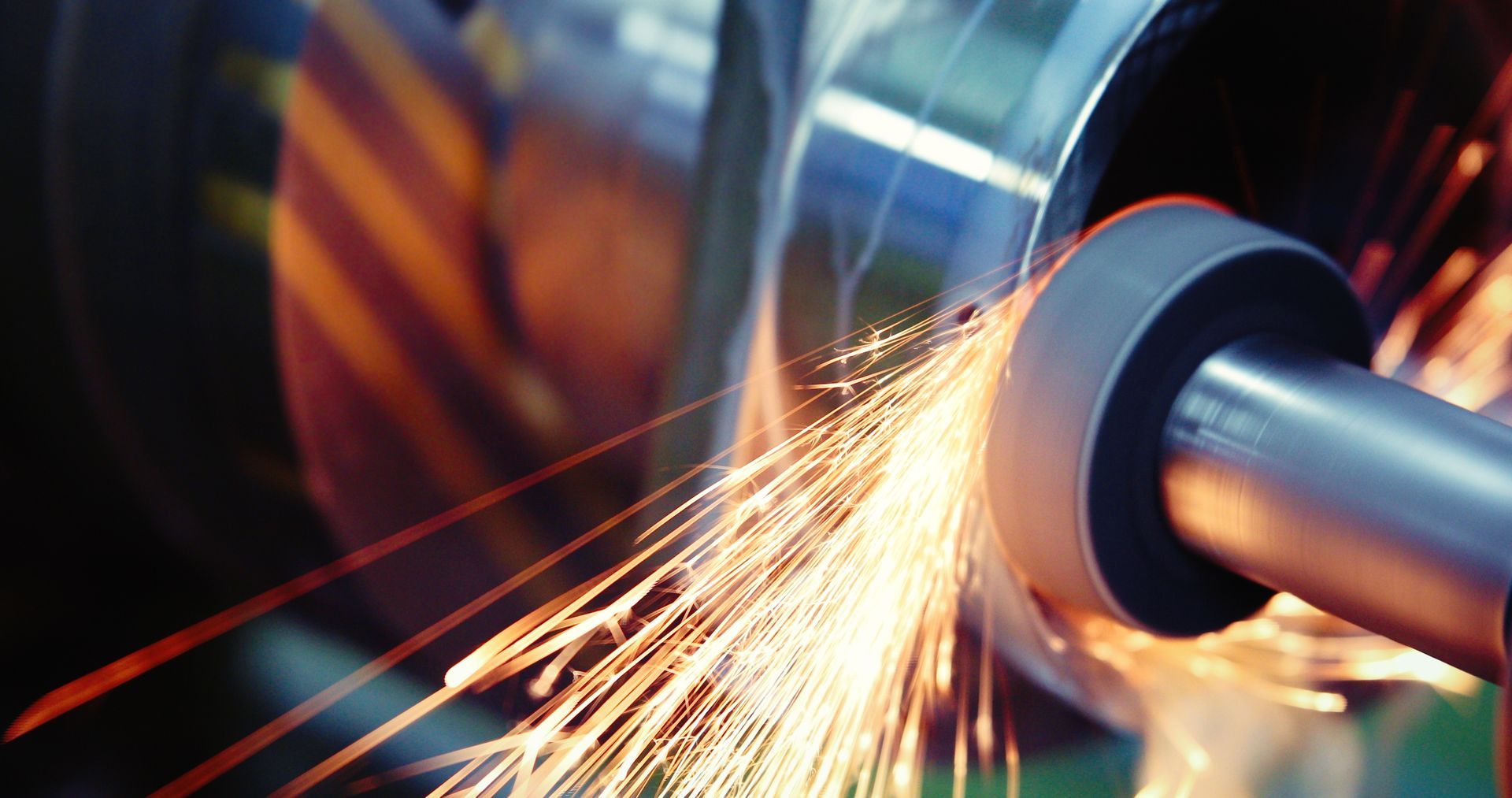
Standard mill-produced bar (such as hot rolled or cold finished) is manufactured to industry standards. However, when tighter control is required, additional processing such as
centerless grinding may be used to reduce dimensional variation.
Diameter Tolerances in Stainless Steel Bar
Diameter tolerance refers to how much the actual outside diameter may vary from the nominal size.
For example, a 1.000″ diameter bar may be permitted to vary slightly above or below that dimension within an established tolerance range.
Standard tolerances depend on:
- Manufacturing method (hot rolled vs cold finished vs ground)
- Bar size
- Applicable ASTM specification
Hot rolled bar generally allows wider dimensional variation than cold finished bar. Centerless ground bar is typically used when tighter diameter control is required for precision machining or shaft applications.
Tighter diameter control can help:
- Reduce machining passes
- Improve part consistency
- Reduce scrap and rework
- Improve bearing and seal fit
When tighter tolerances are required, customers may request ground stainless steel bar to achieve more uniform diameter along the full length.
Straightness Tolerances
Straightness is often overlooked but is critical for many applications, particularly for long shafts or rotating components.
Straightness tolerance defines how much a bar may deviate from a perfectly straight line over its length.
Excessive bow or curvature can:
- Cause vibration in rotating equipment
- Increase runout
- Complicate machining setups
- Affect assembly alignment
Standard mill tolerances allow a certain amount of bow per foot of length. When improved straightness is required, centerless grinding can help reduce variation because the bar is supported along its length during processing.
Applications that commonly require improved straightness include:
- Pump shafts
- Hydraulic cylinder rods
- Motor shafts
- Precision machined components
Improved straightness helps reduce vibration and wear in mechanical systems.
Surface Finish and Its Impact
Surface finish refers to the texture of the bar’s exterior surface. It is often described in terms of roughness measurements, though many applications rely on visual or functional requirements rather than a specific Ra value.
Mill-finished bar may show scale, minor surface irregularities, or processing marks depending on how it was produced.
Centerless ground bar provides:
- A smoother, more uniform surface
- Improved consistency along the full length
- Reduced surface irregularities
Improved surface finish can benefit:
- Sealing surfaces
- Bearing interfaces
- Corrosion resistance consistency
- Machining performance
For certain industries such as food processing or fluid handling, smoother surface conditions can also support cleaning and maintenance requirements.
Standard Bar vs Centerless Ground Bar
Understanding the difference between standard stainless bar and ground bar is important when specifying tolerances.
Comparison Overview
- Manufactured to ASTM dimensional standards
- Suitable for many structural and fabrication applications
- May require additional machining for precision fits
Centerless Ground Bar
- Processed after initial production
- Improved diameter consistency
- Enhanced straightness
- More uniform surface condition
- Often used for shafting and precision components
Engineers typically specify ground bar when dimensional control directly affects performance.
What Affects Stainless Steel Bar Tolerances?
Several factors influence achievable tolerances:
- Bar diameter
- Bar length
- Manufacturing method
- Stainless steel grade
- Post-processing such as grinding
For example, longer bars may naturally show more variation in straightness than shorter cut lengths. Larger diameters may also behave differently than small-diameter precision rod.
Because of these variables, tolerance requirements should be discussed during the quoting stage to ensure material selection aligns with performance expectations.
Why Tolerances Matter in Machining
For machining operations, starting material consistency affects:
- Tool life
- Setup time
- CNC repeatability
- Finished part dimensional accuracy
Using stainless steel bar with improved diameter and straightness can reduce setup adjustments and improve production efficiency.
When tolerances are too loose for the intended application, additional machining passes or corrective operations may be required.
Specifying appropriate tolerances at the beginning of a project helps avoid downstream production issues.
Stainless Steel Grades Commonly Used for Precision Bar
Action Stainless supplies multiple grades of stainless steel bar commonly used in machined and fabricated components, including:
- 303 stainless steel
- 304 / 304L stainless steel
- 316 / 316L stainless steel
- 17-4 PH stainless steel
Tolerance requirements may vary depending on grade and application.
Frequently Asked Questions About Stainless Steel Bar Tolerances
What is the standard tolerance for stainless steel round bar?
Standard tolerance depends on diameter, manufacturing method, and ASTM specification. Hot rolled and cold finished bars have different allowable variations. Ground bar is used when tighter control is required.
What is the difference between cold finished and ground stainless steel bar?
Cold finished bar is drawn or turned to improve size and surface over hot rolled material. Ground bar undergoes additional centerless grinding to further improve diameter consistency, straightness, and surface finish.
Why does straightness matter in stainless steel bar?
Straightness affects machining accuracy, vibration control, and alignment in rotating components. Excessive bow can increase runout and wear in shafts and mechanical assemblies.
Does centerless grinding improve bar tolerance?
Yes. Centerless grinding improves diameter consistency and straightness compared to standard mill bar. It is commonly used when tighter dimensional control is required.
How does surface finish affect performance?
Surface finish can influence wear, sealing performance, corrosion consistency, and machining efficiency. Smoother finishes are often preferred for shafting and fluid-handling components.
Can I request tighter tolerances when ordering stainless steel bar?
Yes. Tolerance requirements should be communicated during the quoting process. In many cases, additional processing such as centerless grinding can improve dimensional control.
Final Thoughts
Stainless steel bar tolerances directly impact machining efficiency, part performance, and assembly accuracy.
Understanding the differences between standard mill tolerances and ground bar tolerances helps engineers and procurement teams select the right material for their application.
When tighter dimensional control is required, Action Stainless offers centerless grinding services to improve diameter consistency, straightness, and surface condition.
For assistance selecting stainless steel bar or discussing tolerance requirements,
contact Action Stainless to review your project specifications.