
What Is ASTM A276? Understanding Stainless Steel Bar Specifications
When sourcing stainless steel bar for machining, fabrication, or structural applications, specifying the correct alloy grade is only part of the requirement. Engineers and procurement teams must also identify the appropriate ASTM standard to ensure the material meets defined chemical, mechanical, and dimensional criteria.
One of the most commonly specified standards for stainless steel bar is ASTM A276.
At Action Stainless, stainless steel bar is supplied in accordance with applicable ASTM standards, including ASTM A276, to support machining, fabrication, water infrastructure, marine, energy, and general industrial applications.
Understanding this specification helps reduce procurement risk and ensure material consistency.
What Is ASTM A276?
ASTM A276 is the standard specification covering hot-finished and cold-finished stainless steel bars for corrosion-resistant and high-temperature service.
It applies to straight-length bar products, including:
- Round bar
- Square bar
- Hex bar
- Flat bar
The specification establishes requirements for:
- Chemical composition
- Mechanical properties
- Dimensional tolerances
- Surface condition
ASTM A276 works alongside the material grade. For example, a purchase order may specify “316 stainless steel bar, ASTM A276.” The grade defines alloy chemistry, while the ASTM standard defines production and quality requirements.
What Does ASTM A276 Control?
ASTM A276 establishes standardized requirements in several critical areas.
Chemical Composition
Each stainless steel grade must meet defined ranges for chromium, nickel, carbon, and other alloying elements. This ensures corrosion resistance and structural integrity align with the grade designation.
Mechanical Properties
Minimum tensile strength, yield strength, and elongation values are defined depending on grade and manufacturing condition. These values confirm that the material can withstand expected service loads.
Dimensional Tolerances
The standard includes acceptable variation limits for diameter, width, thickness, and straightness. These tolerances differ depending on bar size and whether the material is hot-finished or cold-finished.
Applications requiring tighter dimensional control may require additional processing beyond standard ASTM tolerances.
Surface Condition
Surface finish expectations vary based on manufacturing method. Hot-finished bar may show mill scale, while cold-finished bar generally offers improved dimensional consistency and surface uniformity.
ASTM A276 vs ASTM A479
Procurement teams often compare ASTM A276 with ASTM A479. While both standards apply to stainless steel bar, their intended uses differ.
ASTM A276 is used for general corrosion-resistant and high-temperature service applications.
ASTM A479 applies specifically to stainless steel bars intended for pressure vessel and boiler service and includes additional inspection requirements appropriate for pressure-containing environments.
Comparison Overview
| Specification | Primary Application | Typical Use Cases | Inspection Requirements |
|---|---|---|---|
| ASTM A276 | General corrosion-resistant service | Machining, fabrication, structural components | Standard mechanical and chemical verification |
| ASTM A479 | Pressure vessel and boiler service | Pressure-containing systems | Additional testing and inspection requirements |
In some cases, stainless steel bar may meet both standards, depending on testing and certification. Project documentation should always confirm which specification applies.
How ASTM A276 Relates to Machining and Fabrication
ASTM A276 establishes baseline dimensional tolerances. However, machining performance is influenced by diameter consistency, straightness, and surface finish.
For example, standard mill tolerance bar may meet ASTM A276 but still require additional machining passes to achieve precision fits.
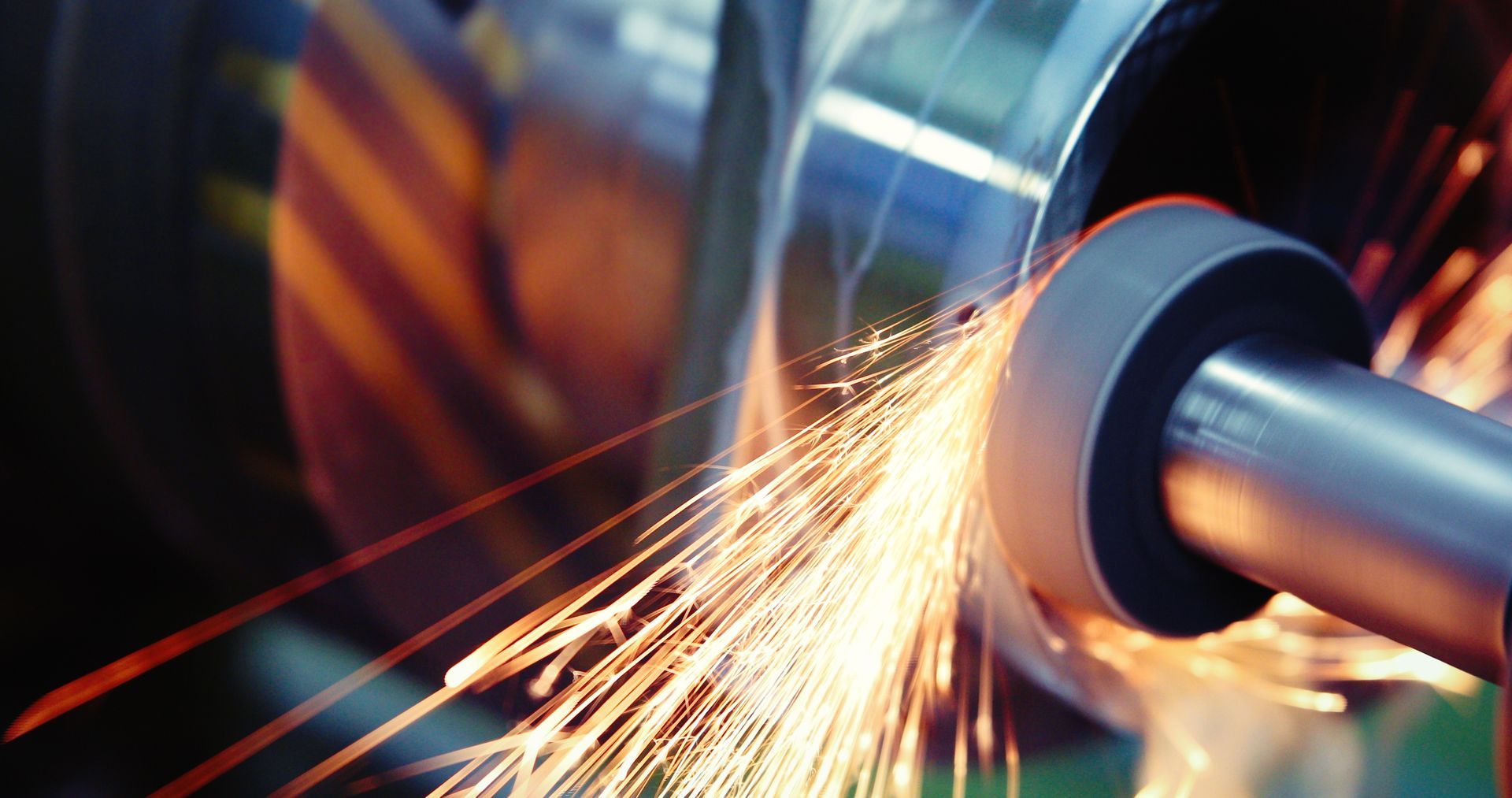
When tighter dimensional control is required, additional processing such as centerless grinding may be specified to improve diameter uniformity and straightness.
Understanding how ASTM tolerances align with final part requirements helps reduce downstream production challenges.
Why ASTM Specifications Matter in Procurement
Clearly specifying ASTM A276 helps ensure:
- Material chemistry compliance
- Mechanical property verification
- Dimensional consistency
- Traceability documentation
In industries such as oil and gas, water infrastructure, food processing, and marine applications, consistent documentation and compliance reduce quality risk.
ASTM standards provide a common technical reference that improves communication between engineers, purchasing teams, and suppliers.
Does Action Stainless Supply ASTM A276 Stainless Steel Bar?
Yes. Action Stainless supplies stainless steel bar in accordance with applicable ASTM specifications, including ASTM A276.
Common product forms include round, square, hex, and flat bar. Frequently supplied grades include 303, 304/304L, 316/316L, and 17-4 PH, depending on size and availability.
Material certifications can be provided to support procurement and quality documentation requirements.
Frequently Asked Questions About ASTM A276
What is ASTM A276 used for?
ASTM A276 covers hot-finished and cold-finished stainless steel bars used in corrosion-resistant and high-temperature service applications.
Does ASTM A276 define dimensional tolerances?
Yes. ASTM A276 includes dimensional tolerance requirements for stainless steel bar, which vary depending on size and manufacturing condition.
What is the difference between ASTM A276 and ASTM A479?
ASTM A276 applies to general-purpose stainless steel bar. ASTM A479 applies specifically to bar used in pressure vessel and boiler service with additional inspection requirements.
Is ASTM A276 required for stainless steel bar?
It depends on project specifications. Many engineering drawings specify ASTM A276 to ensure standardized compliance.
Can stainless steel bar meet both A276 and A479?
In some cases, yes. Depending on testing and certification, material may meet both standards. Confirmation should be requested during procurement.
Request Stainless Steel Bar Specifications from Action Stainless
If your project requires stainless steel bar compliant with ASTM A276, Action Stainless can assist with grade selection, product availability, and documentation requirements.
Our team supports machining, fabrication, and industrial applications with stainless steel bar supplied to recognized industry standards.
Contact Action Stainless to discuss your material specifications and procurement needs.