
Bearing Quality Bar vs Accuracy Stock vs Precision Ground Bar: Which One Fits Your Application?
When selecting stainless steel bar for precision applications, terms like bearing quality bar, accuracy stock, and precision ground bar are often used interchangeably. In reality, each represents a different level of dimensional control and intended use.
Choosing the wrong type can lead to unnecessary machining, higher cost, or performance issues in the final application.
At
Action Stainless, stainless steel bar is supplied and processed to support applications that require consistent diameter and surface condition. Understanding these differences helps ensure the material matches the job.
Why These Terms Are Often Confusing
The confusion comes from overlapping terminology across industries and suppliers.
These terms typically relate to:
- Dimensional consistency
- Surface condition
- Straightness and roundness
- Level of processing applied
Without clear definitions, the same material may be described in different ways.
What Is Bearing Quality Bar
Bearing quality bar is generally used in applications where performance under rotation or load is important.
Typical uses include:
- Shafting applications
- Rotating components
- Load-bearing systems
The focus is on consistency and reliability rather than just tight dimensional tolerance. Additional processing may still be required depending on the final application.
What Is Accuracy Stock
Accuracy stock refers to material that has improved dimensional consistency compared to standard bar stock.
It is commonly used when:
- Moderate dimensional control is needed
- Machining will still be performed
- Cost needs to be controlled
Accuracy stock provides better consistency than standard material but may not meet tight tolerance requirements without further processing.
What Is Precision Ground Bar
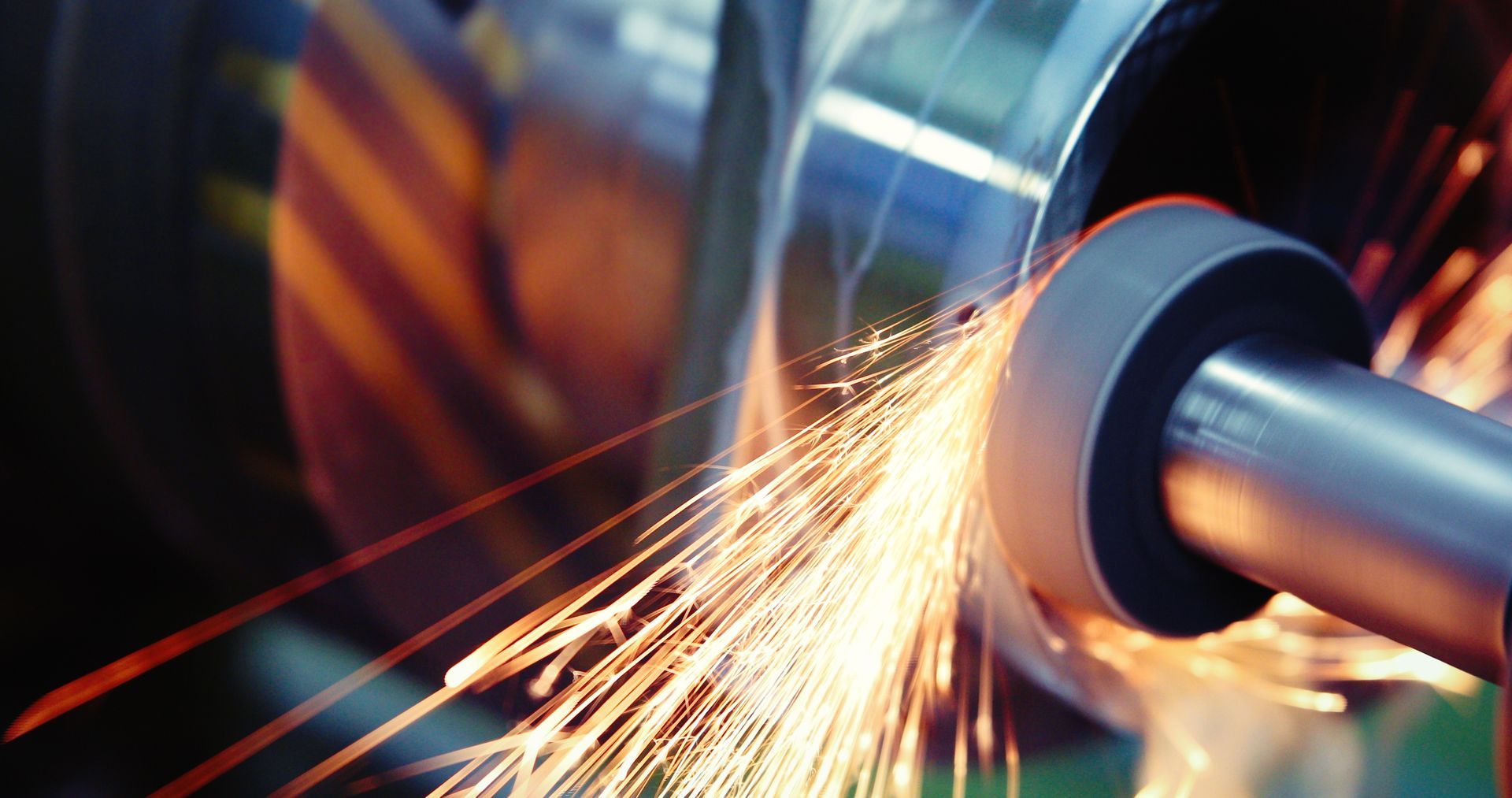
Precision ground bar is stainless steel bar that has been centerless ground to achieve controlled diameter and improved surface condition.
It is typically selected when:
- Tight tolerances are required
- Surface condition matters
- Minimal machining is preferred
Key Differences Between Bar Types
| Bar Type | Primary Focus | Typical Use |
|---|---|---|
| Bearing quality bar | Material consistency | Rotating and load applications |
| Accuracy stock | Improved dimensional control | General machining |
| Precision ground bar | Tight diameter and surface control | Precision components |
How to Choose the Right Bar Type
Selecting the correct material depends on the application and how the part will be used.
Use this as a general guide:
- Choose precision ground bar when tight tolerances and surface condition are critical
- Choose accuracy stock when machining will remove material
- Choose bearing quality bar when performance under load or rotation is important
The goal is to match the level of processing to actual requirements, not default to the highest specification.
Surface Condition and Machining Impact
Surface condition directly affects how much additional machining is required.
- Precision ground bar reduces secondary machining
- Accuracy stock may require additional finishing
- Bearing quality bar may still need processing
Cost Considerations
Each bar type represents a different level of processing, which affects cost.
Key considerations:
- More processing typically increases material cost
- Less processed material may increase machining cost
- Total cost depends on both material and downstream operations
Balancing these factors helps improve overall efficiency.
When Precision Matters Most
Precision ground bar is typically preferred when:
- Components must fit without additional machining
- Surface condition affects performance
- Assembly tolerances are tight
For less critical applications, accuracy stock or bearing quality bar may be sufficient.
Why Clear Specifications Matter
Misunderstanding these terms can lead to:
- Over-specifying material
- Increased cost
- Additional machining
- Production delays
Clear specifications help ensure the correct material is selected from the start.
How Action Stainless Supports Bar Selection
Action Stainless supplies stainless steel bar and supports processing such as centerless grinding to align material with application requirements. Understanding how the material will be used helps determine the appropriate level of processing.
Choosing between bearing quality bar, accuracy stock, and precision ground bar depends on the level of dimensional control and surface condition required. Each option serves a different purpose, and selecting the right one helps balance cost, performance, and manufacturability.
Contact us to discuss stainless steel material options and fabrication-related considerations.
FAQs: Bearing Quality vs Precision Ground Bar
What is bearing quality bar used for?
It is used in applications involving rotation or load where material consistency is important.
Is precision ground bar more accurate than accuracy stock?
Yes. Precision ground bar is processed to achieve tighter dimensional control.
Do I always need precision ground bar?
No. It depends on the application and tolerance requirements.
What is accuracy stock used for?
It is used in machining applications where moderate dimensional control is sufficient.
Does Action Stainless supply precision ground bar?
Yes. Action Stainless supplies stainless steel bar and supports centerless grinding for precision applications.