
RMS vs Ra Surface Finish in Centerless Grinding: How to Specify What You Actually Need
Surface finish is one of the most commonly misunderstood specifications in centerless grinding. Terms like Ra and RMS are often used interchangeably, even though they represent different measurement methods.
For engineers and buyers sourcing precision ground stainless steel bar, this confusion can lead to incorrect specifications, unnecessary cost, or mismatched expectations.
Understanding the difference between RMS and Ra helps ensure that surface finish requirements align with actual application needs.
At
Action Stainless,
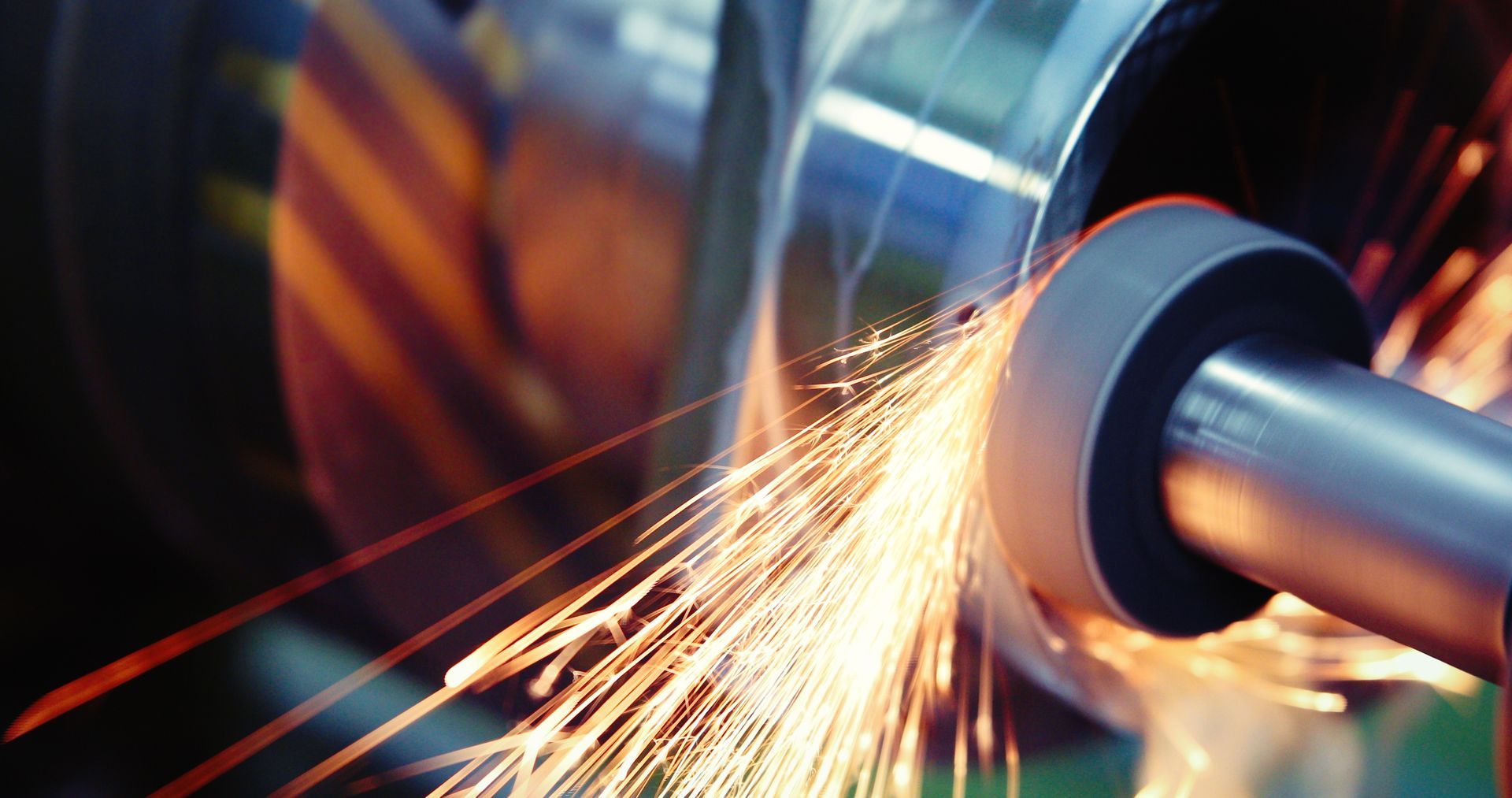
centerless grinding is used to produce consistent outer diameters and controlled surface conditions for stainless steel bar. Knowing how to properly specify surface finish is a key part of that process.
What Is Surface Finish in Centerless Grinding
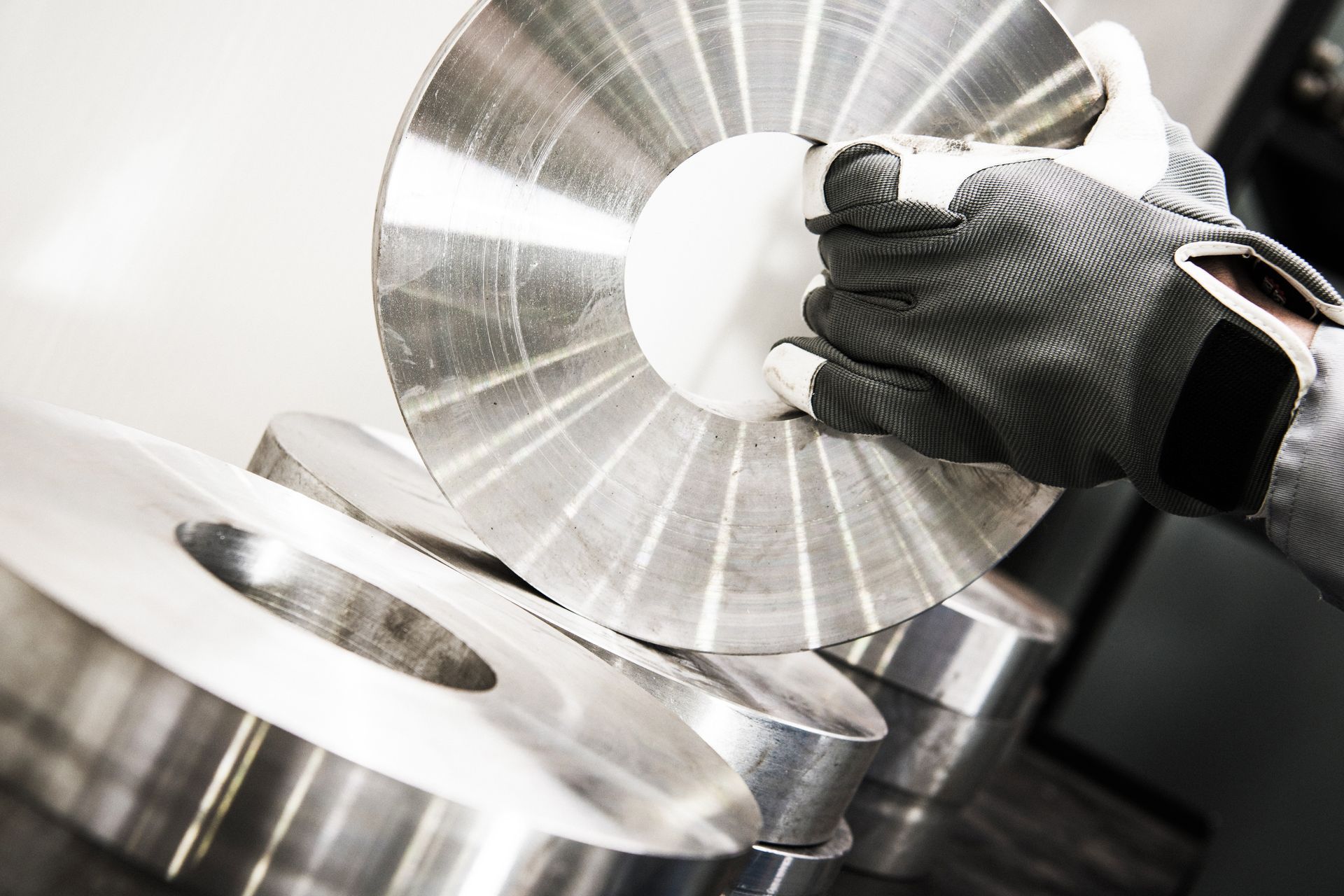
Surface finish refers to the microscopic texture of the material after grinding. It affects how the part performs in applications involving contact, sealing, or movement.
In centerless grinding, surface finish is influenced by:
- Grinding wheel characteristics
- Feed rate and process stability
- Material properties
Surface finish is typically measured in microinches and expressed using values such as Ra or RMS.
What Is Ra Surface Finish
Ra stands for roughness average. It is the most commonly used measurement for surface finish in machining and grinding.
Ra measures the average deviation of the surface profile from a centerline over a given length. It provides a consistent way to describe overall surface texture.
Ra is widely used because:
- It is standardized across industries
- It is commonly specified on drawings
- It is easy to compare between processes
Most centerless grinding specifications today are based on Ra values.
What Is RMS Surface Finish
RMS stands for root mean square. It measures surface roughness by giving more weight to larger deviations in the surface profile.
Because of this, RMS values are typically higher than Ra values for the same surface.
RMS may still appear in:
- Legacy drawings
- Older specifications
- Certain industry standards
However, it is less commonly used in modern specifications compared to Ra.
RMS vs Ra: Key Differences
| Measurement Type | Ra (Roughness Average) | RMS (Root Mean Square) |
|---|---|---|
| Measurement method | Average deviation | Weighted deviation |
| Industry usage | Most common standard | Less commonly used today |
| Sensitivity | Moderate | More sensitive to peaks |
| Specification trend | Preferred in modern drawings | Often legacy usage |
Understanding which measurement is being referenced is important to avoid misinterpretation.
Why RMS vs Ra Confusion Happens
Many specifications use RMS and Ra interchangeably, even though they are not the same. This often happens when:
- Older drawings are reused
- Units are not clearly defined
- Surface finish is assumed rather than specified
In practice, this can result in:
- Overly tight requirements
- Incorrect expectations for finish
- Increased processing time
Clear specification avoids these issues.
How to Specify Surface Finish Correctly
When requesting centerless grinding, surface finish should be clearly defined using consistent terminology.
Key points to include:
- Specify Ra when possible
- Include units such as microinch
- Confirm whether finish is functional or cosmetic
- Avoid mixing RMS and Ra without clarification
Providing clear surface finish requirements helps ensure the grinding process aligns with application needs.
What Does a 5 RMS or 10 Ra Finish Mean
Surface finish values describe the relative smoothness of the material, but they do not directly define performance without context.
Lower numbers indicate a smoother surface. However, specifying an extremely low value does not always improve functionality.
In many cases:
- Standard ground finishes are sufficient
- Over-specifying smoothness increases cost
- Function should drive specification
Understanding the application is more important than selecting the lowest possible number.
Surface Finish and Cost Relationship
Surface finish directly impacts grinding cost. Achieving smoother finishes requires:
- Slower processing
- More controlled grinding conditions
- Potential additional passes
As surface finish requirements become tighter, processing time increases.
To manage cost:
- Match finish to application needs
- Avoid unnecessary precision
- Confirm requirements early
When Surface Finish Matters Most
Surface finish becomes critical in applications involving:
- Sealing surfaces
- Bearing or sliding contact
- Precision assemblies
For structural or non-contact components, surface finish may be less critical.
Understanding where finish matters helps avoid over-specification.
Common Surface Finish Specification Issues
Several common mistakes can affect quoting and production:
- Using RMS when Ra is intended
- Not specifying units
- Overly tight finish requirements
- Lack of clarity on application
These issues often lead to delays or adjustments during production.
How Action Stainless Supports Surface Finish Requirements
Action Stainless supports centerless grinding for stainless steel bar with attention to dimensional consistency and surface condition. Clear communication of surface finish requirements helps ensure the grinding process aligns with the intended application.
Surface finish in centerless grinding is most commonly specified using Ra, while RMS is still found in older or legacy specifications. Understanding the difference between these measurements helps avoid confusion and ensures the correct finish is applied.
By clearly defining surface finish requirements and aligning them with application needs, engineers and buyers can improve both performance and cost efficiency.
Contact us to discuss stainless steel material options and fabrication-related considerations.
FAQs: RMS vs Ra Surface Finish
What is the difference between Ra and RMS surface finish?
Ra measures the average surface roughness, while RMS gives more weight to larger deviations. Ra is more commonly used today.
Is RMS higher than Ra for the same surface?
Yes. RMS values are typically higher than Ra values for the same surface finish.
Which surface finish should I specify for centerless grinding?
Ra is the preferred standard for most modern specifications.
What does a low Ra value mean?
A lower Ra value indicates a smoother surface, but it should match the application requirement.
Does smoother surface finish increase cost?
Yes. Smoother finishes require more controlled grinding and can increase processing time.