
Saw-Cut Stainless Bar Length Tolerances for Machine Shop Orders
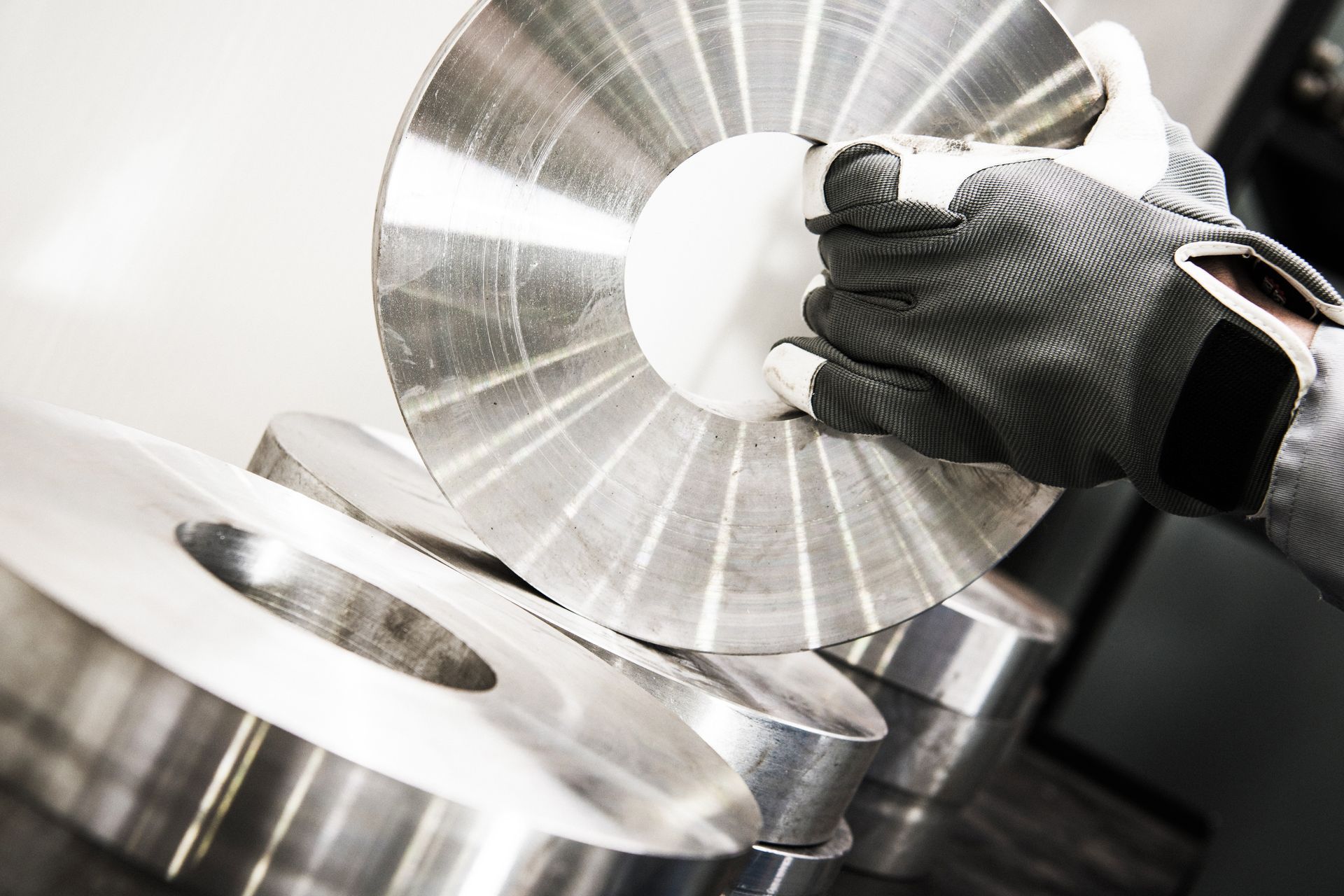
Machine shops often order stainless bar blanks before machining shafts, spacers, pins, bushings, fittings, and other components. In these orders, saw-cut stainless bar tolerance matters because the cut length affects setup, machining allowance, material use, and downstream production.
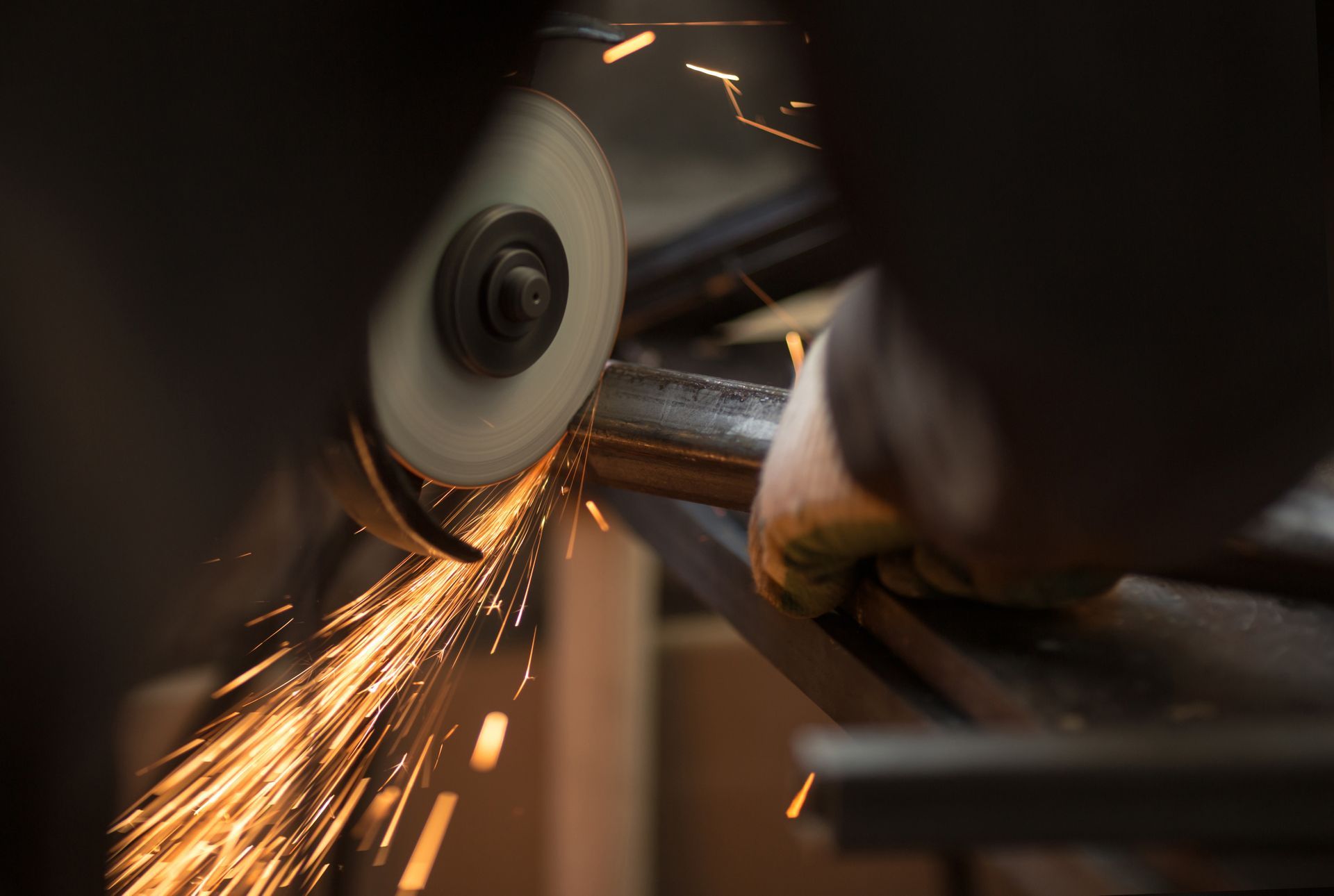
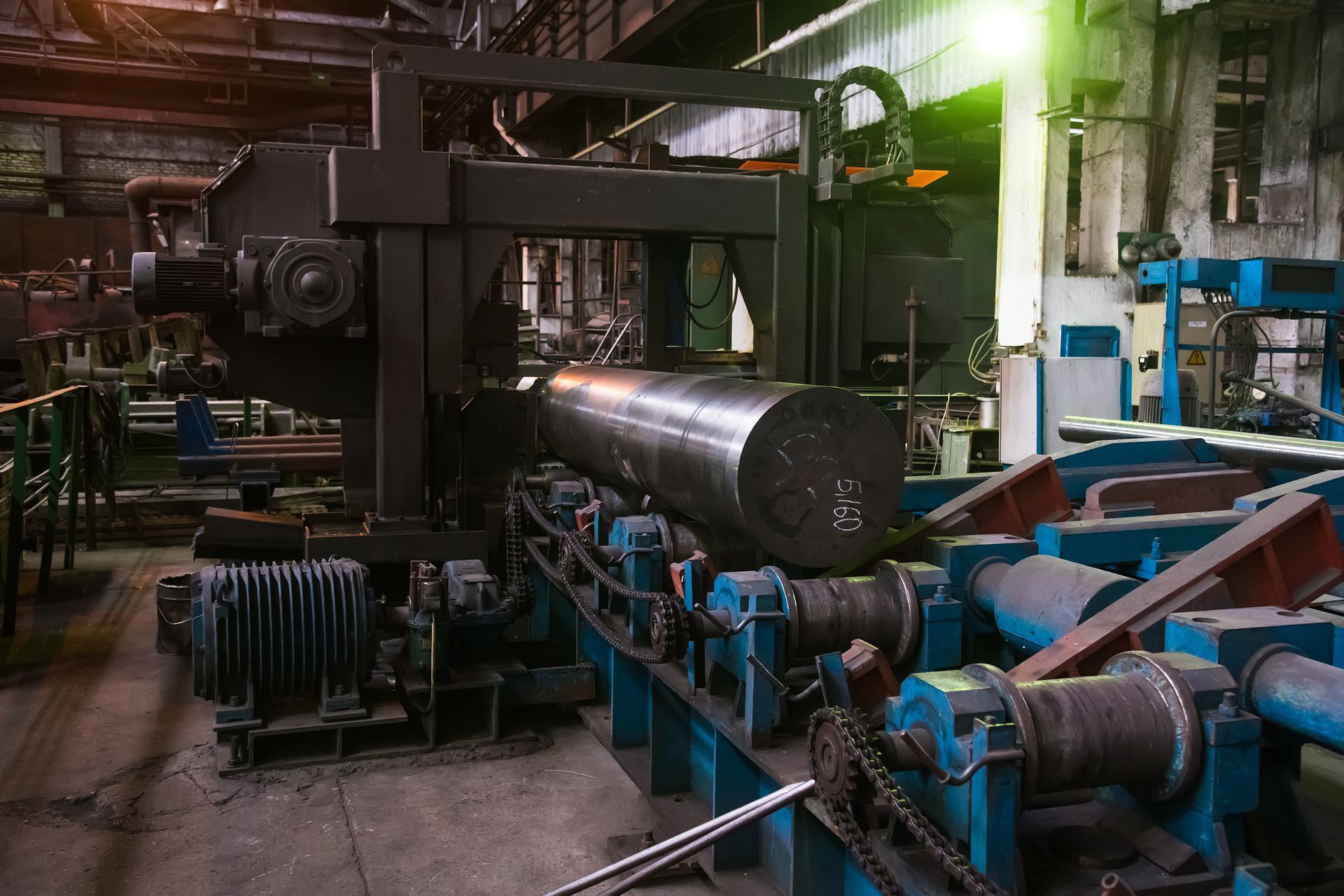
Saw cutting is often used when straight, consistent cuts are needed on bar, tube, pipe, or structural material. For machine shop orders, the goal is not just cutting material to length. The goal is preparing blanks that support the next operation without unnecessary waste or rework.
At
Action Stainless,
saw cutting services support stainless steel, duplex stainless steel, and aluminum alloy processing. For machine shops ordering bar blanks, clear length requirements help align material preparation with final part needs.
Why Cut Length Tolerance Matters
Saw-cut blanks are usually not finished parts. They are starting pieces for machining, turning, milling, drilling, facing, or threading.
If the blank is too short, the machine shop may not have enough material to clean up the ends or hold the part securely. If the blank is much longer than needed, extra material may be wasted and machining time may increase.
Cut length tolerance helps balance:
- Machining allowance
- Material efficiency
- Workholding needs
- Production repeatability
The correct tolerance depends on what happens after the bar is cut.
Saw-Cut Blanks vs Finished-Length Parts
A saw-cut blank is typically prepared with enough extra material for machining. A finished-length part has stricter dimensional expectations and may require additional operations beyond basic saw cutting.
Buyers should be clear about whether they need blanks for machining or parts that are intended to be near final length. That distinction affects how the order should be quoted and processed.
What Buyers Should Specify
A clear RFQ helps reduce back-and-forth and improves quoting accuracy. Machine shops should provide enough information to understand both the cut requirement and the downstream machining need.
Useful details include:
- Stainless grade
- Bar shape and size
- Cut length
- Length tolerance
- Quantity
- End-use or machining operation
- Packaging or bundling needs
Action Stainless supplies stainless steel products, including round bar, flat bar, square bar, tubing, and pipe, for machine shop and fabrication applications.
Machining Allowance and End Cleanup
Many machine shops request extra length so parts can be faced after cutting. This allows the shop to clean up saw marks and bring the blank to final length during machining.
The amount of allowance depends on the part, machine setup, and finished requirement. Buyers should not assume the supplier knows how much stock to leave unless it is stated clearly.
If end condition matters, the RFQ should explain whether the saw-cut face is acceptable or whether the blank is intended for later machining.
Length Tolerance and Repeat Orders
Repeat machine shop orders benefit from consistent cut length expectations. If each release uses a different assumption about allowance, the machining process may need to be adjusted.
For repeat orders, buyers should keep the same:
- Cut length
- Length tolerance
- Part number or reference
- Packaging instructions
These details help define the shape and reduce interpretation issues during quoting.
Common Saw-Cut Bar Specification Issues
Although these terms are related, they do not always mean the same thing.
| Issue | Why It Causes Problems |
|---|---|
| No length tolerance | Supplier must clarify expectations |
| No machining allowance | Blank may be too short for cleanup |
| Vague quantity | Makes quoting and planning harder |
| Missing grade | Material selection may be unclear |
This table helps buyers avoid common quoting delays.
Bar Shape and Material Form
Saw cutting requirements can vary depending on whether the order involves round bar, flat bar, square bar, tube, or pipe. Shape affects handling, fixturing, cut stability, and packaging.
A machine shop ordering round bar blanks may have different needs than a shop ordering tube sections or flat bar pieces. Providing the material form in the RFQ helps clarify the cutting requirement.
For broader processing needs, value-added services may support additional preparation steps beyond saw cutting.
Packaging and Handling for Cut Blanks
Material thickness affects how stainless plate behaves during rolling. Thicker material generally requires more forming force and may respond differently after pressure is released.
Springback is a normal forming consideration. It occurs when the material relaxes slightly after rolling. Stainless steel, duplex stainless steel, and aluminum alloys may each behave differently during forming.
Because of this, material grade and thickness should always be included in the RFQ.
How Action Stainless Supports Machine Shop Orders
Action Stainless provides saw cutting services for stainless steel, duplex stainless steel, and aluminum alloy projects. Its saw cutting page describes saw cutting for bars, tubes, pipes, and structural components, which makes it well suited for preparing material for machine shop workflows.
For buyers ordering stainless bar blanks, clear length tolerance, material grade, quantity, and machining allowance details help ensure the cut material supports the next step.
Saw-cut stainless bar length tolerances matter because machine shops depend on blanks that are long enough to machine, consistent enough to repeat, and organized enough to move into production efficiently.
By defining cut length, tolerance, allowance, quantity, and end-use requirements upfront, buyers can improve quote accuracy and reduce avoidable delays.
Contact us to discuss stainless steel material options and fabrication-related considerations.
FAQs: Saw-Cut Stainless Bar Tolerances
What is saw-cut stainless bar tolerance?
It refers to the allowed variation in length after stainless bar is cut to size for machining or fabrication.
Why do machine shops order saw-cut bar blanks?
Machine shops order blanks to reduce prep time and receive material closer to the size needed for machining.
Should saw-cut blanks include machining allowance?
Yes, when the ends will be faced or machined later. Buyers should clearly specify the needed allowance.
What should I include in a saw cutting RFQ?
Include grade, bar shape, size, cut length, tolerance, quantity, machining allowance, and packaging needs.
Does Action Stainless offer saw cutting services?
Yes. Action Stainless offers saw cutting services for stainless steel, duplex stainless steel, and aluminum alloy projects.