
Turned Shaft Blanks Before Centerless Grinding: When This Workflow Saves Time
For many stainless shaft components, the production sequence matters as much as the material itself. A part may require turned features, controlled diameters, shoulders, threads, or surface finish requirements before it is ready for final use.
One common workflow is to create turned shaft blanks before centerless grinding. In this approach, machining is used to establish key features or remove bulk material first, then centerless grinding is used to refine the outside diameter and surface condition.
At Action Stainless,
centerless grinding supports stainless steel bar applications where OD consistency and surface condition matter. For buyers quoting shaft work, understanding when to turn first and grind second can help reduce confusion, improve planning, and support better finished results.
What Is a Turned Shaft Blank?
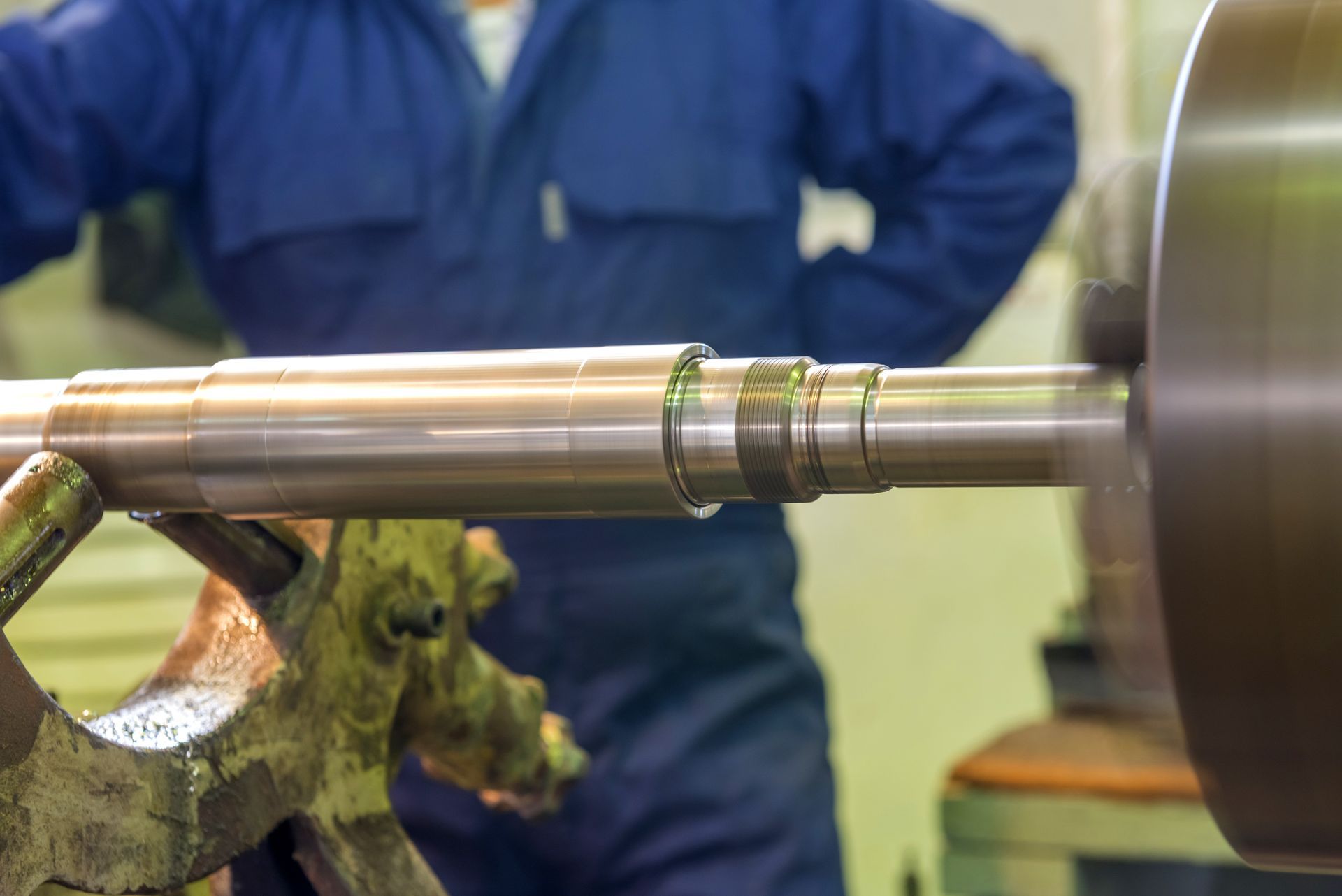
A turned shaft blank is a stainless steel bar or rod that has been machined close to its final shape before final finishing. Turning may be used to create basic geometry, reduce diameter, or prepare features that grinding alone is not intended to produce.
Common turned features may include:
- Shoulders
- Diameter steps
- Threaded sections
- Relief areas
- Basic shaft profiles
The turned blank is not always the finished part. In many cases, it is prepared for final grinding, polishing, inspection, or assembly.
Why Turn Before Grinding?
Turning and grinding serve different purposes. Turning is better suited for removing larger amounts of material and creating geometry. Centerless grinding is better suited for improving OD consistency, surface condition, and final dimensional control.
Turning first can save time when the shaft requires significant material removal or machined features before the final OD is established. Instead of grinding away excess stock, the part can be turned closer to size, then ground to refine the surface and diameter.
This workflow can be useful when the part requires both machined features and a controlled ground surface.
When This Workflow Makes Sense
Turning before grinding is not required for every shaft. It becomes more valuable when the final component has multiple features or when the starting bar is far from the desired shape.
This approach may make sense when:
- The part has shoulders or diameter changes
- Threads or reliefs are required
- Significant stock removal is needed
- A ground finish is required on selected areas
- The final part must meet both geometry and surface expectations
If the component is simply a straight ground bar, turning may not add value.
When Centerless Grinding Should Come After Turning
Centerless grinding is often used after turning when the final OD must be more controlled than the turned surface alone. This can help support applications involving fit, movement, or contact with other components.
Grinding after turning may help refine:
- Final outside diameter
- Surface condition
- Roundness
- Fit consistency
- Contact surfaces
The key is knowing which features should be turned and which surfaces should remain available for final grinding.
RFQ Details Buyers Should Provide
A strong RFQ helps avoid production uncertainty. When quoting turned shaft blanks before grinding, buyers should define both the machined features and the final ground requirements.
Useful details include:
- Stainless grade
- Starting bar size
- Finished shaft length
- Turned features required
- Final ground OD
- Diameter tolerance
- Surface finish expectation
- Quantity
- Final application
Action Stainless supplies stainless steel products used in applications where material consistency and downstream processing matter. Clear RFQ details help align the workflow with the final part requirements.
Turning First vs Grinding First
The correct sequence depends on the part. Turning first is often used when geometry must be created before final sizing. Grinding first may make sense when a consistent bar is needed before later machining.
| Workflow | Best Fit | Key Consideration |
|---|---|---|
| Turn first, grind second | Shafts with features and final OD needs | Helps establish geometry before finish grinding |
| Grind first, turn second | Parts needing consistent starting stock | Supports later machining consistency |
| Grind only | Straight bars or rods | Best when no turned features are needed |
| Turn only | Parts without ground finish needs | Suitable when turning meets final requirements |
This comparison helps buyers avoid assuming every shaft needs the same workflow.
Common Planning Mistakes
One common mistake is asking for a finished ground bar without explaining that shoulders, threads, or steps will be added later. Another mistake is turning too close to final size without leaving enough material for grinding.
Buyers should also avoid vague requests such as “finish grind after turning” without specifying which surfaces require grinding. Clear surface and feature callouts help prevent delays and rework.
Surface Finish Considerations
If the shaft includes sealing, sliding, or bearing contact areas, surface condition may be important. In those cases, the drawing should identify which areas require a ground finish and which areas are only turned.
For applications where added surface refinement is needed,
polishing and finishing may support final material requirements.
How Action Stainless Supports Shaft Workflows
Action Stainless supports stainless steel bar applications where material selection, OD consistency, and surface condition are important. When a workflow includes turning and grinding, clear specifications help determine the right sequence and avoid unnecessary processing.
For projects involving additional preparation, value-added services may support downstream fabrication needs.
Turned shaft blanks before centerless grinding can save time when the part requires machined features before final OD control. This workflow is especially useful when the shaft needs shoulders, threads, diameter transitions, or a controlled ground surface.
By defining the sequence, dimensions, tolerances, and finished surfaces clearly, buyers can improve quoting accuracy and reduce the risk of scrap or rework.
Contact us to discuss stainless steel material options and fabrication-related considerations.
FAQs: Turned Shaft Blanks Before Grinding
What are turned shaft blanks before grinding?
They are shaft blanks that are machined close to final shape before centerless grinding is used to refine OD and surface condition.
Should shafts be turned before centerless grinding?
It depends on the part. Turning first is useful when shoulders, steps, threads, or major stock removal are required.
Why leave material for grinding after turning?
Leaving material allows the grinding process to refine the final OD, surface condition, and dimensional consistency.
What should I include in an RFQ for turned and ground shafts?
Include grade, starting size, final OD, turned features, tolerance, surface finish, quantity, and final application.
Does Action Stainless support centerless grinding for shaft applications?
Yes. Action Stainless supports centerless grinding for stainless steel bar applications where OD consistency and surface condition matter.