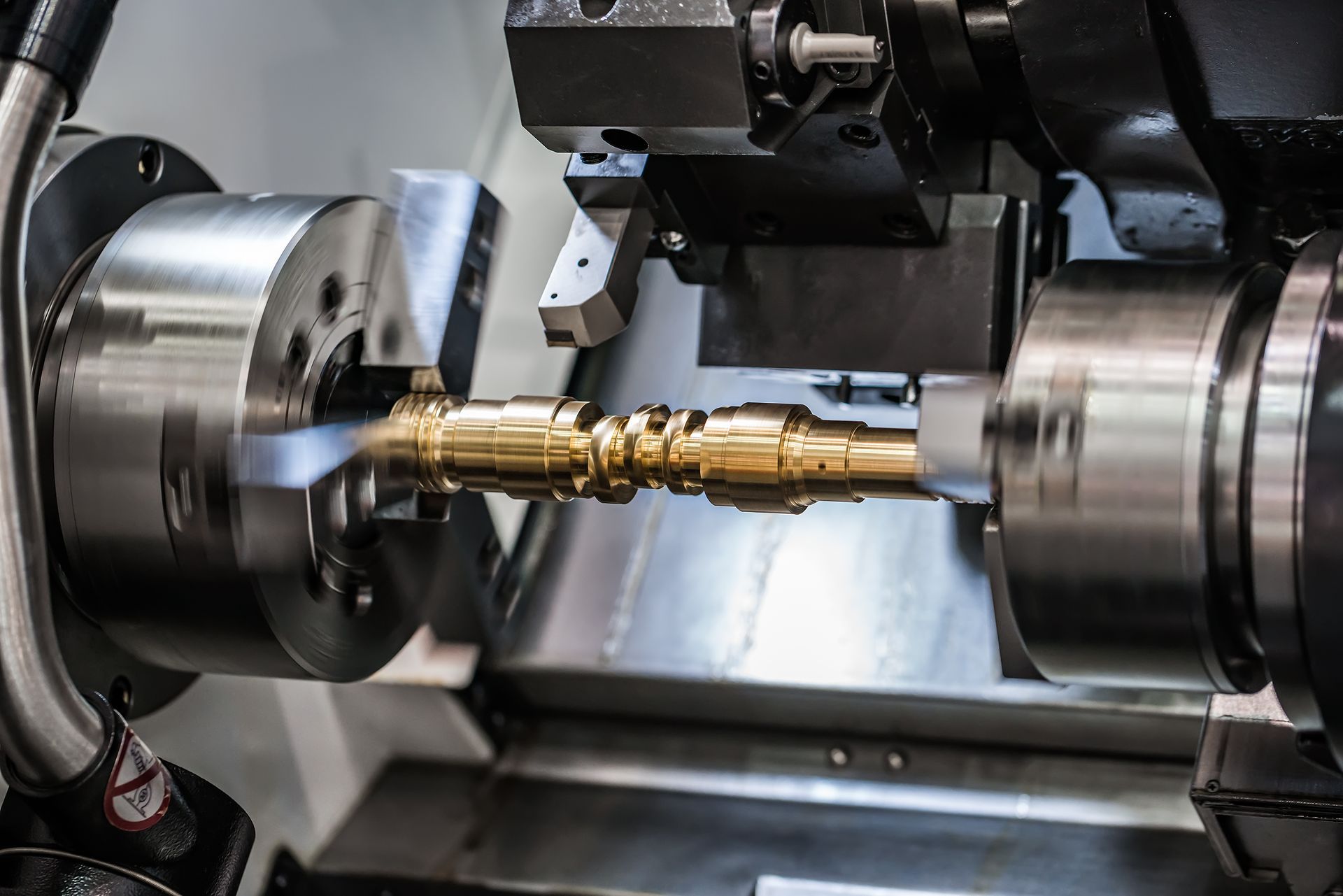

Polishing & Finishing Stainless Steel: How Surface Preparation Impacts Part Quality
Stainless steel is known for its strength, corrosion resistance, and clean appearance but achieving that smooth, reflective finish doesn’t happen by accident. Behind every polished surface is a careful sequence of grinding, blending, and buffing operations designed to remove imperfections and enhance performance.
At Action Stainless, polishing and finishing are essential value-added services that transform raw stainless into high-quality, application-ready parts. Whether destined for a sanitary environment, an architectural project, or a precision assembly, the final surface finish directly affects both performance and appearance.
Understanding how surface preparation impacts part quality helps engineers, fabricators, and buyers specify the right finish from the start saving time, reducing rework, and improving end results.
Why Surface Finish Matters
Surface finish is more than a cosmetic detail. In stainless fabrication, the texture and smoothness of a surface affect corrosion resistance, cleanliness, and overall functionality.
A rough surface can trap contaminants or harbor bacteria, while a properly polished finish enhances durability and makes cleaning easier. For stainless components in food, beverage, pharmaceutical, or architectural applications, the finish is as important as the alloy itself.
Action Stainless’s polishing operations ensure that every component whether cut plate, bar, or tube leaves the facility with the exact finish specified by the customer. This consistency is what allows end users to trust that each part will perform and look as intended.
The Relationship Between Fabrication and Finishing
Every fabrication process leaves its mark on stainless steel. Cutting, grinding, and welding create different surface conditions that must be addressed before final polishing.
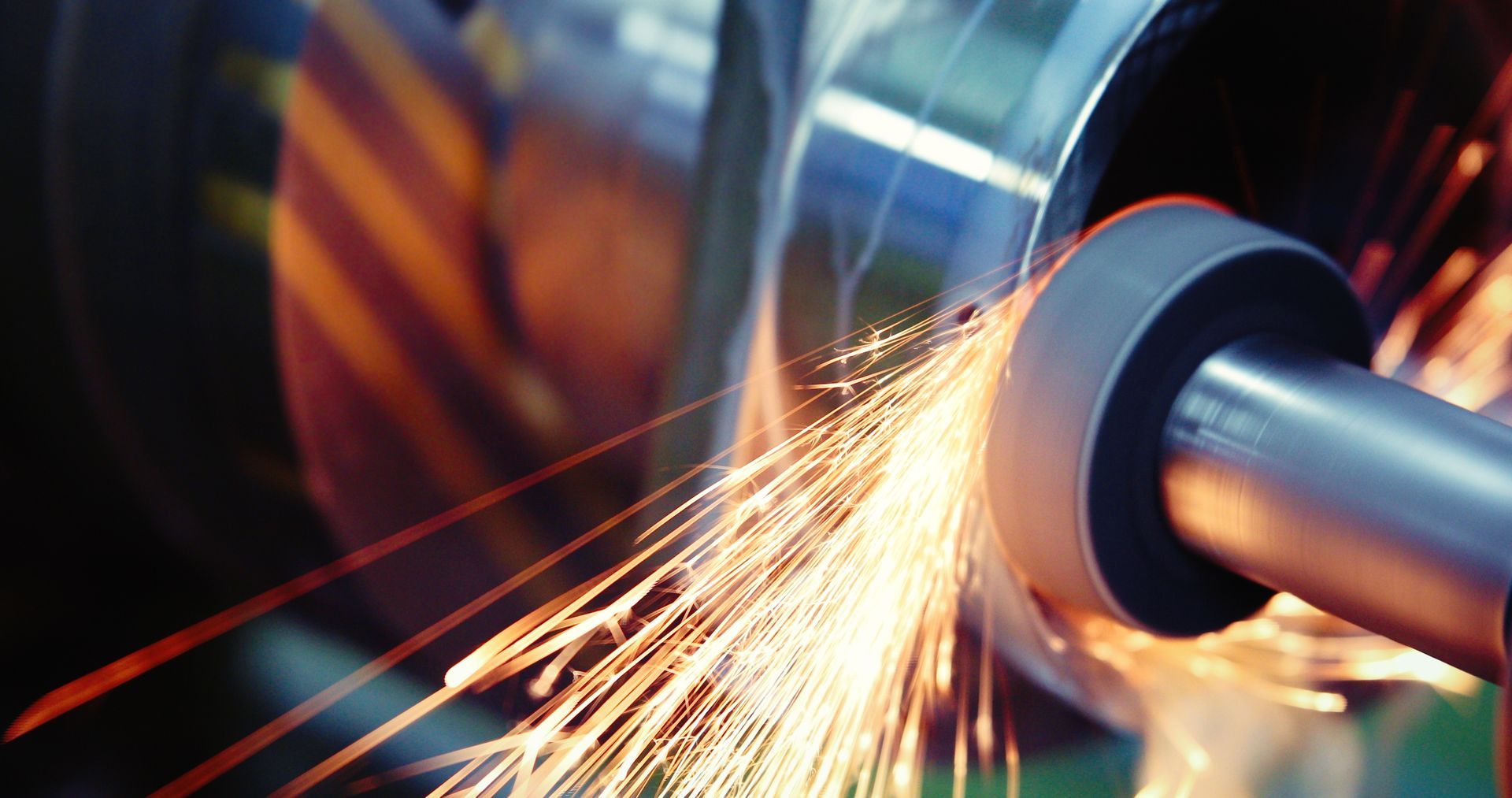
Laser and plasma cutting, for example, may introduce slight heat tint or oxide scale near the edge. Machining can leave fine tool marks or directional lines. Even centerless grinding, while highly precise, creates a surface pattern that must be refined for decorative or sanitary finishes.
Polishing is the process that corrects these effects transforming industrial surfaces into functional and aesthetic finishes that meet the exact needs of each project. The key is knowing how to adjust each stage for the alloy, geometry, and final use.
Types of Stainless Steel Finishes
Stainless steel finishes range from matte and brushed to mirror-bright reflective surfaces. Each level of finish requires progressively finer abrasives and more precise control.
| Finish Type | Process Description | Typical Ra Value (µin) | Common Applications |
|---|---|---|---|
| #2B Mill Finish | Cold-rolled, annealed, and pickled | 15–40 | General industrial use |
| #3 Finish | Coarse polish using 80–120 grit | 50–100 | Architectural, industrial equipment |
| #4 Satin Finish | Fine polish, uniform directional grain | 20–35 | Food service, kitchen equipment |
| #6 Finish | Buffed for semi-reflective appearance | 10–20 | Decorative panels |
| #8 Mirror Finish | Multi-step polishing to reflective surface | <10 | Architectural, medical, high-end design |
| Sanitary Finish (Ra ≤ 32 µin) | Fine-polished, passivated surface | ≤32 | Food, beverage, and pharmaceutical systems |
Stainless steel finishes range from matte and brushed to mirror-bright reflective surfaces. Each level of finish requires progressively finer abrasives and more precise control.These finishes don’t just change how a part looks, they influence performance. For instance, smoother finishes resist bacterial growth and reduce product adhesion, making them critical for hygienic processing equipment.
The Polishing Process at Action Stainless
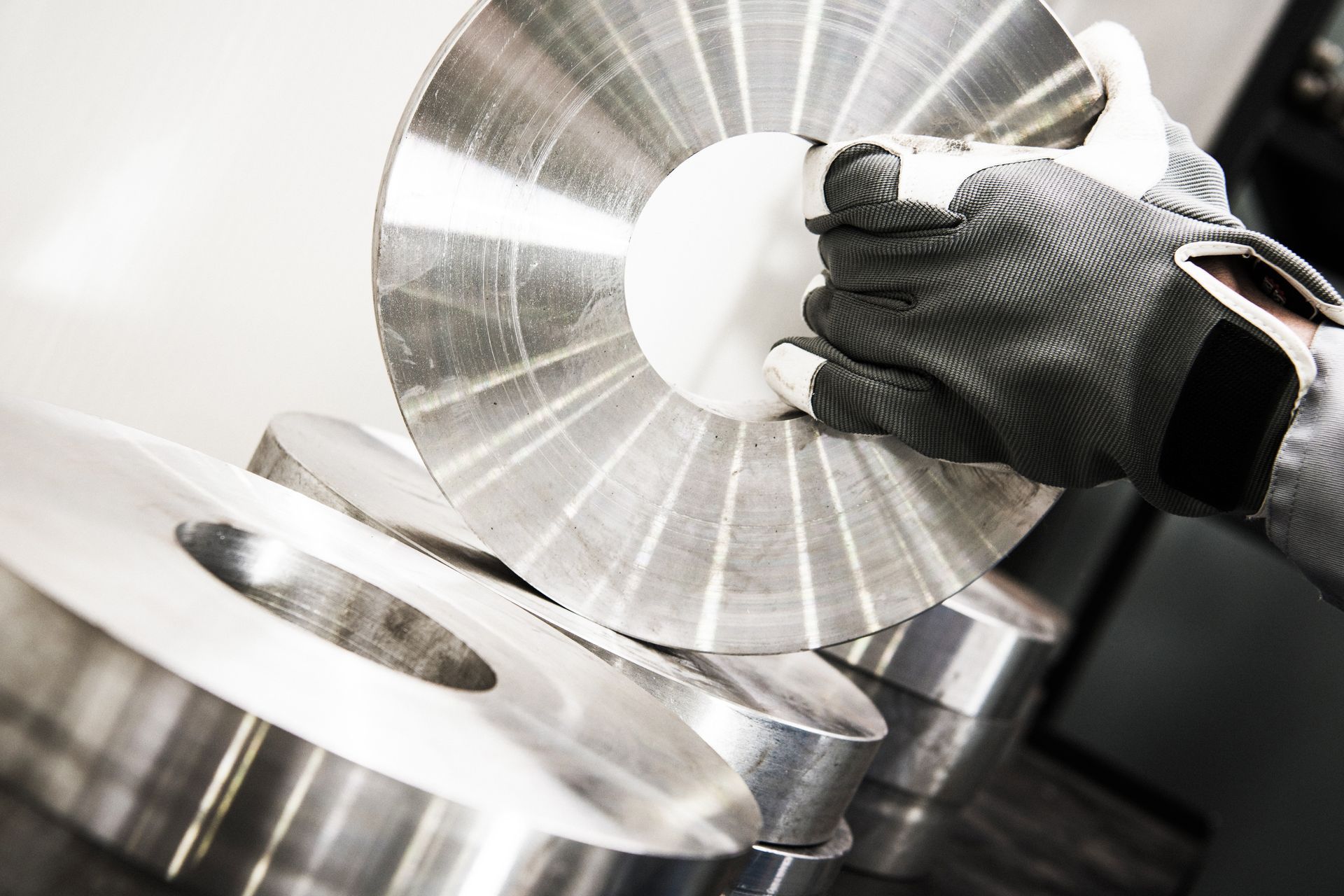
Polishing stainless steel involves controlled removal of surface material using progressively finer abrasives until the desired smoothness and reflectivity are achieved. The process varies depending on the component type and the required finish.
At Action Stainless, polishing often includes:
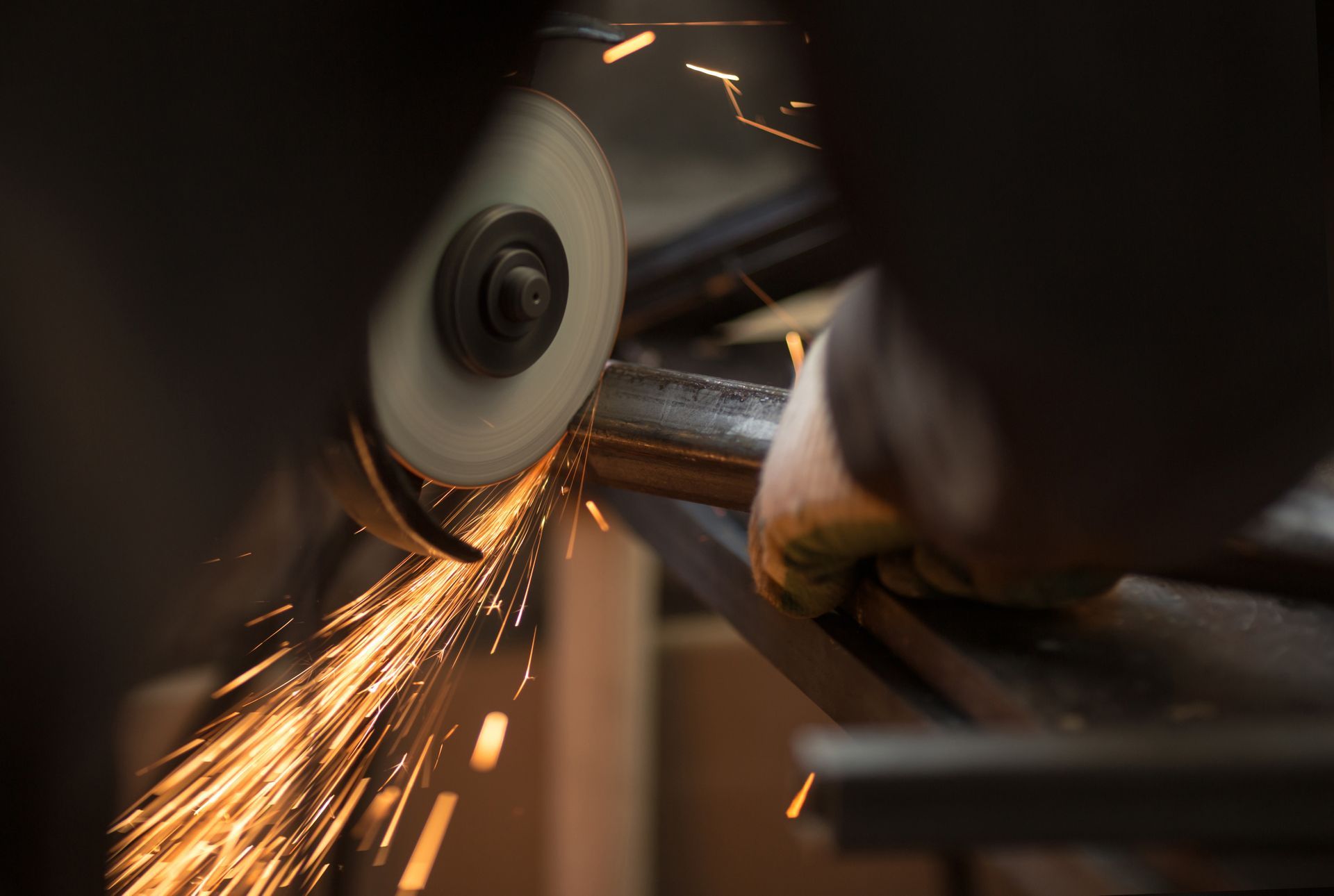
- Pre-grinding or surface leveling: Removes weld seams, scratches, or tool marks.
- Intermediate polishing: Uses finer abrasives to establish uniform texture.
- Final finishing: Applies buffing compounds or specialized belts to achieve the target gloss or reflectivity.
- Cleaning and inspection: Removes residues and verifies surface uniformity under lighting conditions.
These steps are performed using precision equipment and operator experience, ensuring consistency across entire production runs or custom projects.
Finishing for Function and Performance
Different industries require specific finishes to meet performance and compliance standards. For example, food processing and pharmaceutical manufacturers rely on surfaces that are smooth enough to prevent microbial contamination.
A finish that’s too rough can trap residues, while one that’s too glossy may be unnecessary and costly. Action Stainless works with customers to define finishes that achieve the right balance between hygiene, cost, and durability.
In other sectors such as architectural metalwork or energy systems finishes may be chosen for reflectivity, corrosion resistance, or appearance under different lighting conditions. By tailoring the polishing process to the application, Action Stainless helps ensure every surface meets its purpose.
Controlling Surface Roughness (Ra Values)
Surface roughness, expressed as Ra (average roughness), is a quantifiable measure of how smooth a surface is. The lower the Ra value, the smoother the finish.
In stainless steel fabrication:
- A #4 finish typically measures between 20–35 µin Ra.
- Sanitary or pharmaceutical-grade finishes often require ≤32 µin Ra, verified through profilometry or equivalent measurement methods.
Action Stainless monitors Ra values throughout the finishing process to ensure surfaces meet specification. This control is especially important when parts interface with seals, gaskets, or fluid systems, where surface texture directly affects performance.
Passivation: The Final Step in Corrosion Protection
After polishing, stainless steel undergoes passivation, a chemical process that enhances corrosion resistance by reforming the protective chromium oxide layer on the surface.
During fabrication, machining or polishing can expose fresh metal, temporarily reducing its resistance. Passivation restores this protection, ensuring long-term durability in corrosive or high-humidity environments.
At Action Stainless, passivation is part of the finishing workflow for components used in
food, beverage, pharmaceutical, and marine applications, where exposure to moisture or cleaning chemicals is constant.
Common Mistakes in Stainless Steel Finishing
Polishing and finishing are specialized processes that demand precision. Common mistakes can reduce quality and cause rework:
- Uneven polishing pressure can create visible streaks or burn marks.
- Skipping abrasive steps leaves hidden scratches that appear after buffing.
- Contaminated tools can embed carbon steel particles into stainless surfaces, leading to rust.
- Improper passivation may leave surfaces vulnerable to corrosion.
By maintaining dedicated stainless-only polishing stations and strict quality control, Action Stainless avoids these pitfalls and ensures each component leaves with a flawless, durable surface.
Integration of Finishing with Other Fabrication Services
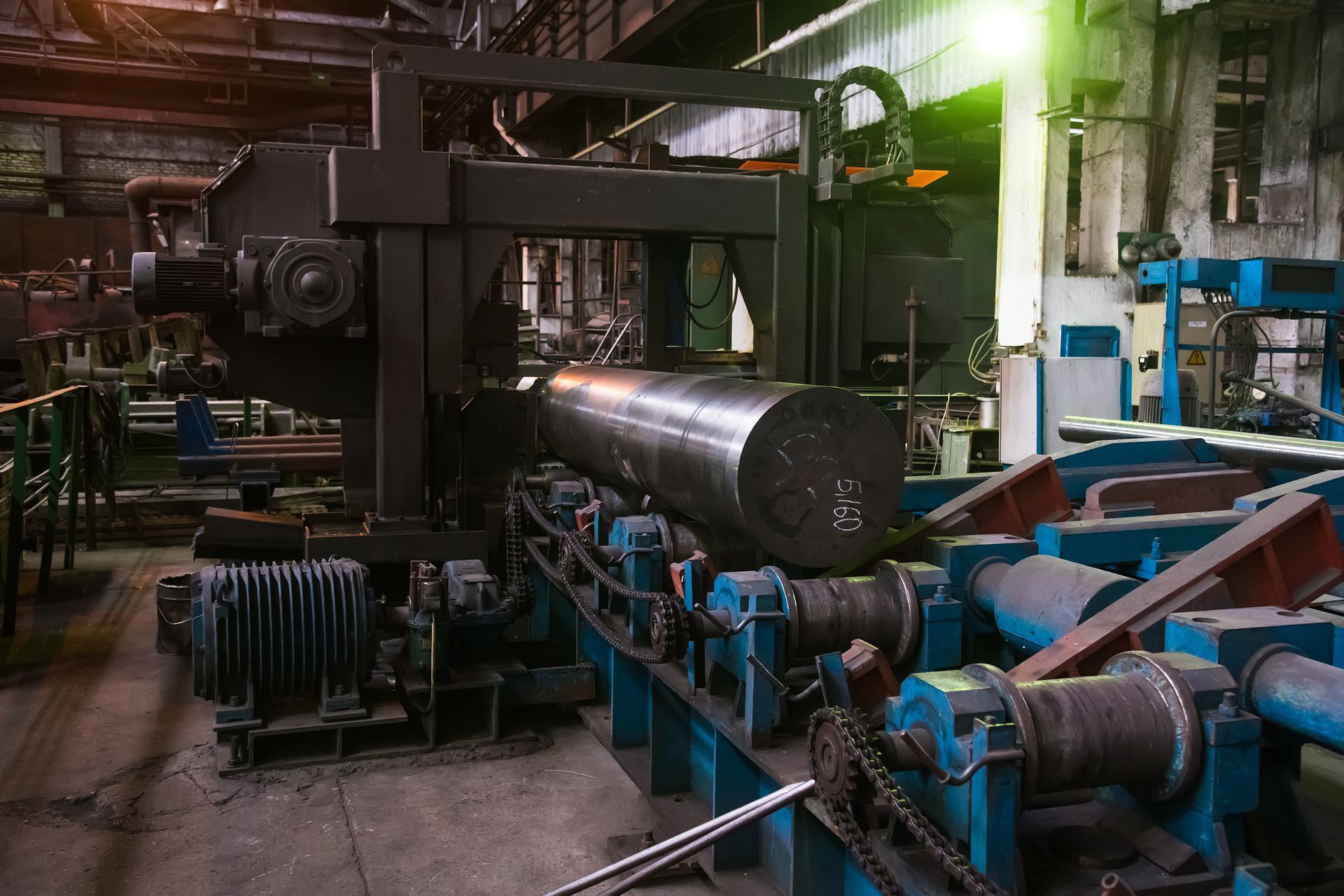
What distinguishes Action Stainless is its ability to provide cutting, grinding, and polishing in one facility. This integration shortens lead times and improves quality control, as every step of the process from cutting to final finish follows a coordinated workflow.
For instance, parts can move directly from waterjet cutting or CNC machining to polishing without leaving the building, eliminating transit delays and handling risks.
This streamlined approach ensures surface quality remains intact from start to finish. It also enables faster turnaround for customers who require finished, ready-to-install stainless components rather than raw material.
Applications Where Polishing Quality Is Critical
Some applications demand more than just a clean look, they depend on polished surfaces for performance and longevity:
- Food and Beverage Equipment: Polished to sanitary standards for hygiene and easy cleaning.
- Architectural Metalwork: Finished for consistent appearance and light reflection.
- Pharmaceutical Systems: Polished interiors prevent product buildup and contamination.
- Energy & Marine Applications: Smooth surfaces enhance corrosion protection in harsh environments.
Across all these sectors, the value of professional polishing lies in repeatable quality and durability ensuring that stainless components not only look exceptional but also perform flawlessly for years.
Conclusion
Surface preparation is the final and often most important step in stainless fabrication. The right finish enhances corrosion resistance, hygiene, and visual appeal, transforming good parts into great ones.
With expertise in polishing, finishing, and passivation, Action Stainless delivers stainless components that meet demanding standards across multiple industries. From decorative finishes to sanitary-grade polish, every surface is crafted with precision and consistency.
When quality, appearance, and longevity matter, partnering with a fabricator who understands the full process from material selection to final polish ensures your stainless components stand out for all the right reasons.
FAQs: Stainless Steel Polishing & Finishing
What is the purpose of polishing stainless steel?
Polishing removes imperfections, improves corrosion resistance, and enhances appearance, preparing the surface for final use or assembly.
How smooth should a sanitary finish be?
Most sanitary applications require a surface roughness of 32 µin Ra or better, ensuring easy cleaning and preventing bacterial growth.
Can Action Stainless polish parts after fabrication?
Yes. The facility polishes both raw materials and fully fabricated components, ensuring uniform finish across all parts.
Does polishing affect corrosion resistance?
Yes, properly polished and passivated stainless surfaces have improved corrosion resistance because they retain a stable chromium oxide layer.
What finishes does Action Stainless offer?
From #3 to mirror #8 finishes, including sanitary-grade surfaces, all achieved in-house with dedicated stainless polishing equipment.
Ready to enhance the appearance and performance of your stainless parts?
Contact Action Stainless to discuss your polishing and finishing requirements and learn how professional surface preparation can elevate your next fabrication project.