
DFARS-Compliant Metals: What It Means and Why It Matters
In defense and government-related manufacturing, material sourcing is not just a technical issue it’s a compliance requirement. One of the most common terms procurement professionals encounter is DFARS-compliant metals. While frequently referenced in contracts and supplier requirements, DFARS compliance is often misunderstood, especially when it comes to stainless steel and specialty alloys.
DFARS, or the Defense Federal Acquisition Regulation Supplement, establishes additional rules beyond standard federal acquisition regulations. These rules affect where metals are melted, how they are sourced, and what documentation is required. For manufacturers supplying parts, assemblies, or materials into defense programs, understanding DFARS requirements is essential to avoiding delays, rejections, or compliance issues.
At Action Stainless, customers often ask about sourcing requirements tied to defense or government projects. While DFARS compliance depends on contract-specific requirements and upstream sourcing, having a clear understanding of what DFARS means helps buyers ask the right questions and plan material procurement correctly. This article explains what DFARS-compliant metals are, why DFARS matters, and how procurement teams can approach sourcing responsibly.
What Is DFARS?
DFARS stands for the Defense Federal Acquisition Regulation Supplement. It is a set of rules issued by the U.S. Department of Defense that supplements the Federal Acquisition Regulation (FAR). DFARS applies to contracts and subcontracts involving defense articles, systems, and services.
One of the most referenced DFARS provisions related to metals is often called the
“Specialty Metals Clause.” This clause restricts the use of certain specialty metals unless they meet specific sourcing requirements.
What Are “Specialty Metals” Under DFARS?
Under DFARS, specialty metals generally include certain categories of steel, stainless steel, titanium, and other high-performance alloys used in defense systems. Stainless steel falls into this category when it meets specific alloy thresholds defined by regulation.
The intent of these rules is to ensure that critical defense materials are sourced from approved locations, typically the United States or qualifying allied countries.
What Does DFARS-Compliant Mean for Metals?
When procurement teams refer to “DFARS-compliant metals,” they are typically referring to metals that:
- Were melted and manufactured in the United States or approved countries
- Meet applicable DFARS sourcing restrictions for specialty metals
- Are supported by appropriate documentation or certifications
It’s important to understand that DFARS compliance is contract-driven. Not every defense-related project requires DFARS-compliant materials, and not every stainless steel order falls under DFARS. The requirement depends on how the material will be used and what the contract specifies.
Why DFARS Compliance Matters
Failure to meet DFARS requirements can lead to serious issues, including:
- Rejected materials
- Production delays
- Contract non-compliance
- Cost overruns
- Audit findings
For procurement professionals, DFARS compliance is not optional when it applies. Even downstream suppliers can be affected if DFARS requirements flow down through the supply chain.
This is why understanding DFARS early in the sourcing process is critical.
DFARS and Stainless Steel Sourcing
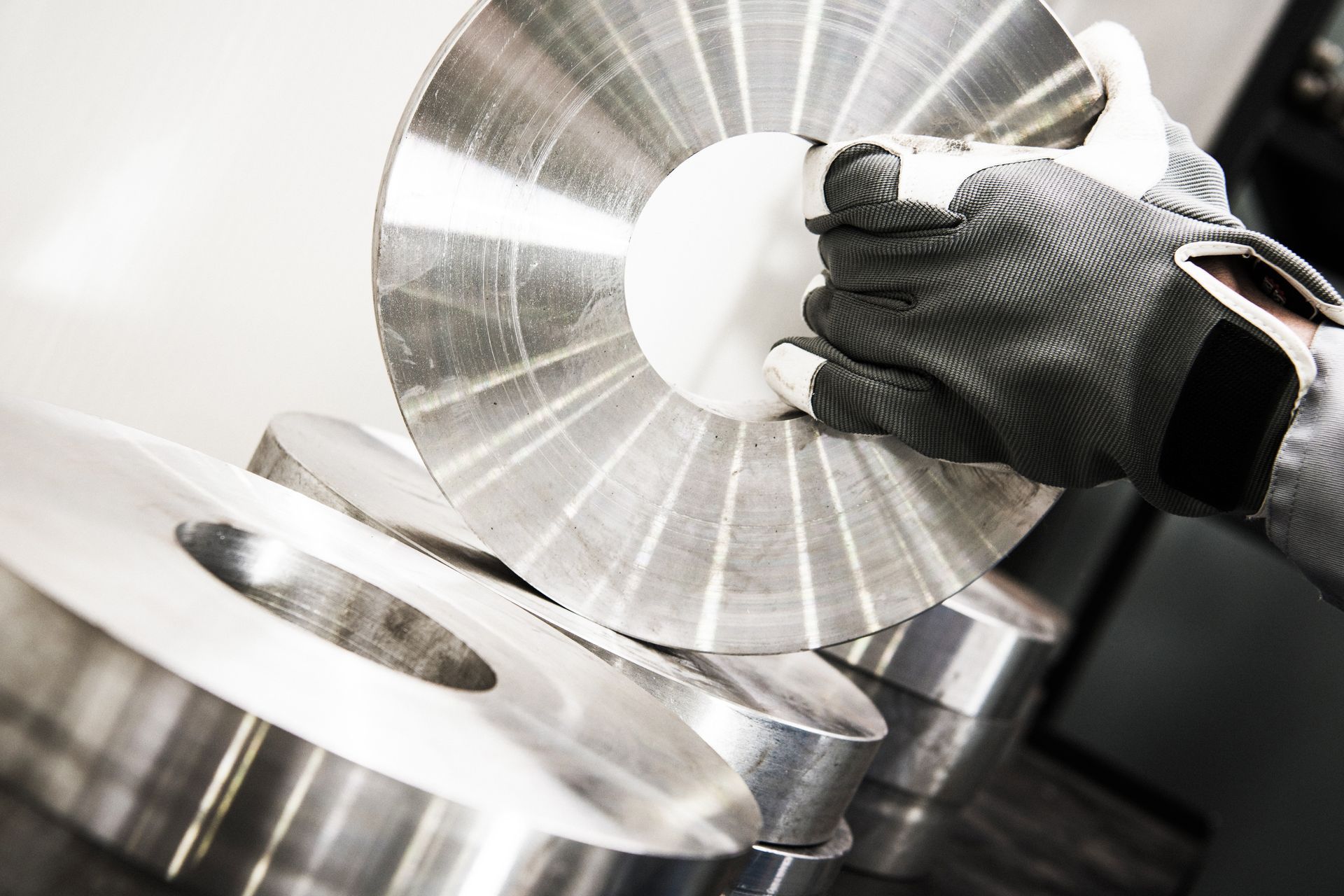
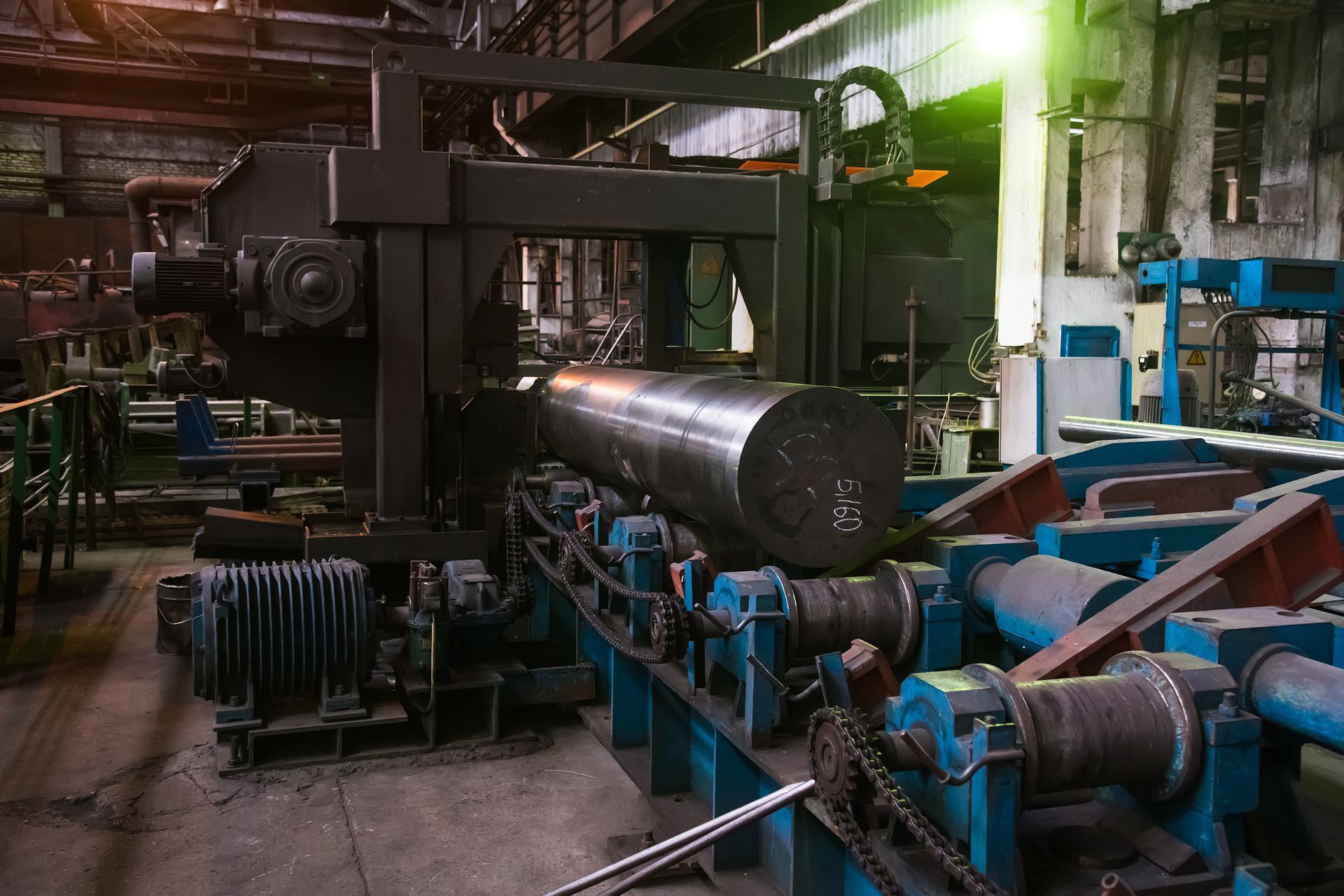
Stainless steel is widely used in defense systems for its strength, corrosion resistance, and durability. However, not all stainless steel is automatically DFARS-compliant. The key factor is where the material was melted and manufactured, not where it was cut, ground, or machined.
Processing steps such as:
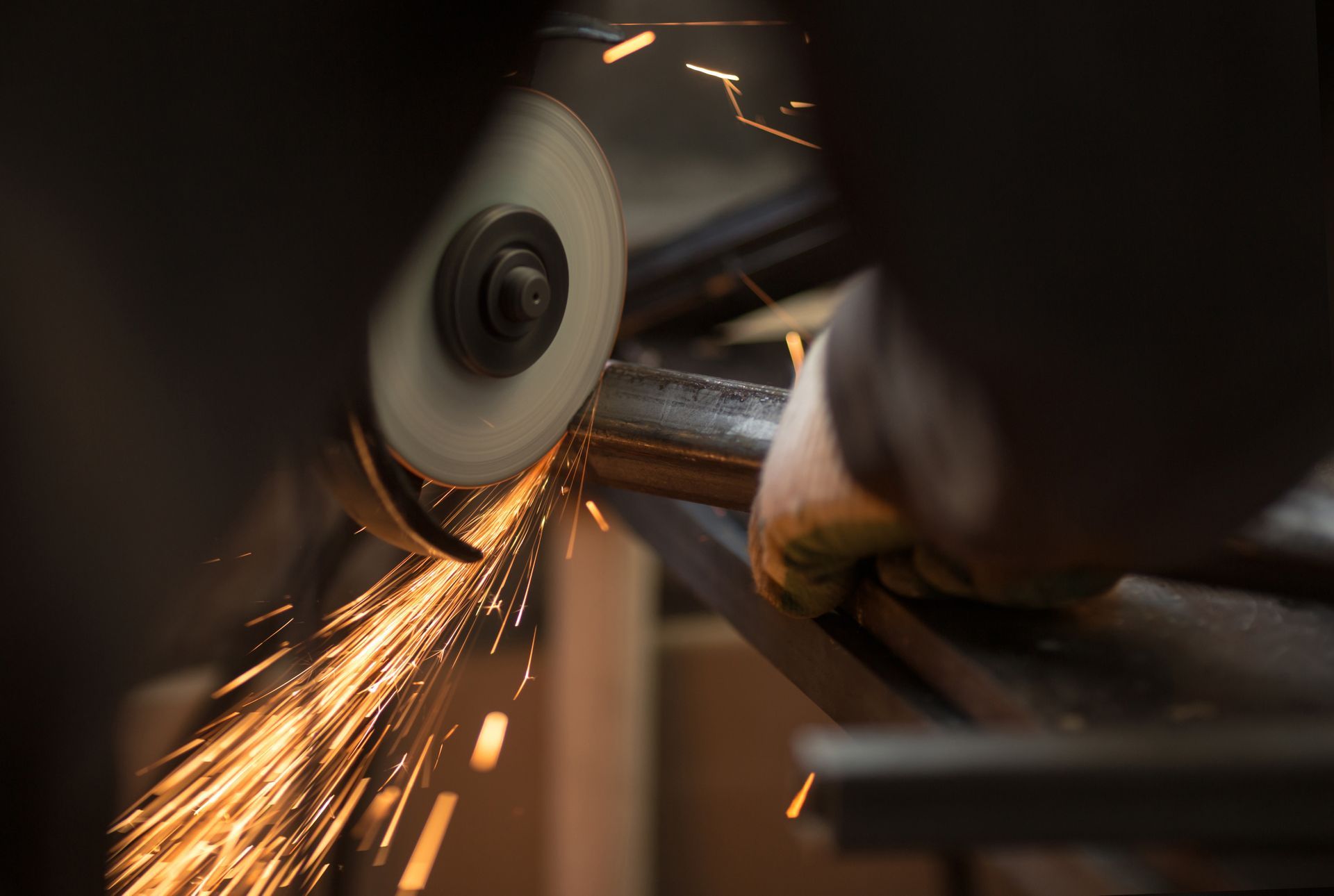
- Cutting
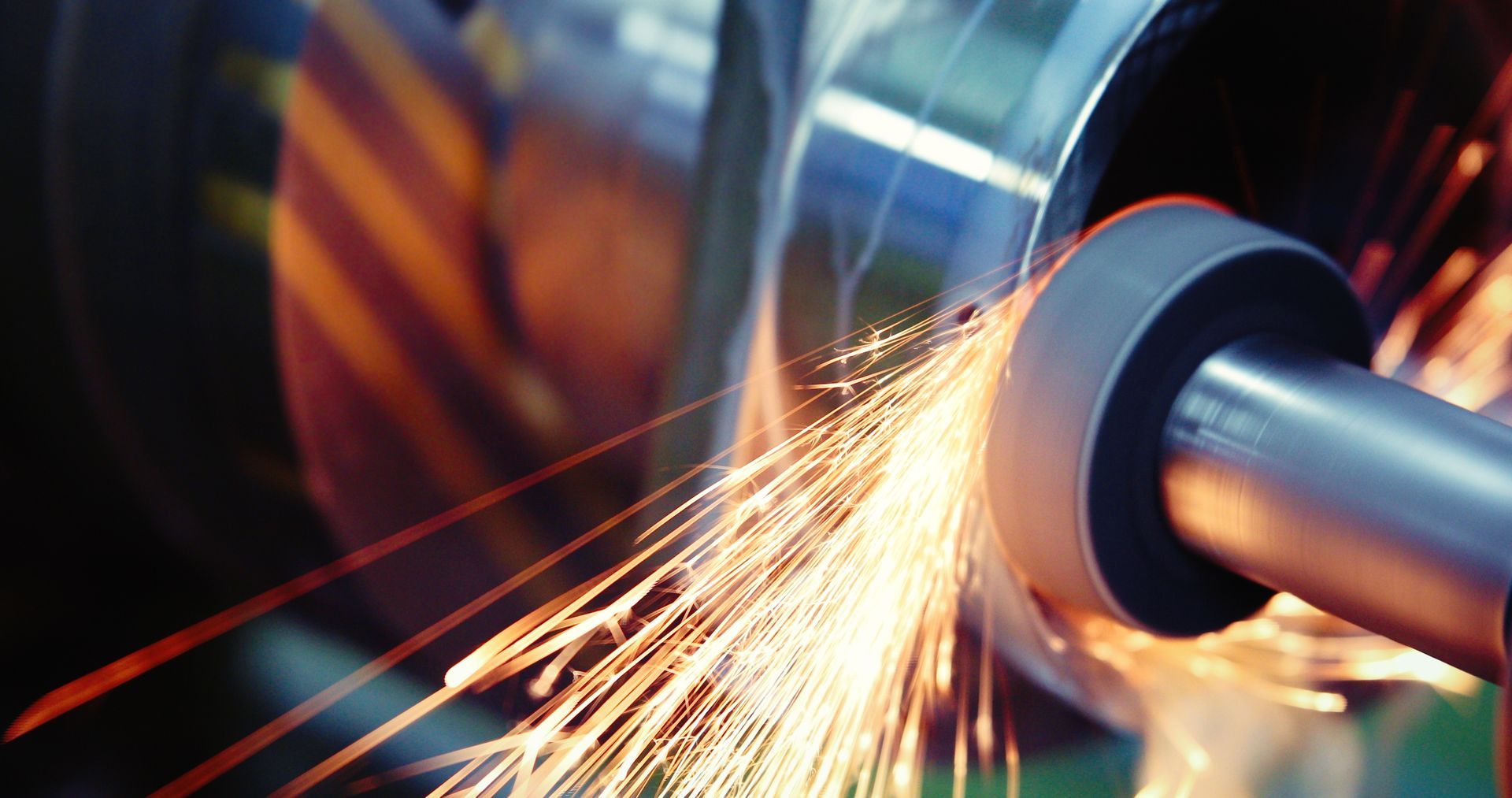
- Centerless grinding
- Polishing
- Machining
do not change DFARS status. Compliance is tied to upstream melt source and manufacturing origin.
Action Stainless processes stainless steel through cutting, grinding, polishing, and machining support. DFARS compliance, when required, must be verified at the sourcing and documentation level before material enters production.
Common DFARS Misconceptions
There are several misunderstandings about DFARS compliance:
- “DFARS applies to all defense work” - Not always. It depends on the contract.
- “Processing in the U.S. makes it DFARS-compliant” - Incorrect. Melt origin matters.
- “Magnetism or grade determines compliance” - False. Compliance is about sourcing, not physical properties.
- “Suppliers automatically guarantee DFARS compliance” - Compliance must be confirmed, not assumed.
Understanding these points helps procurement teams avoid costly mistakes.
What Procurement Teams Should Verify
When DFARS requirements apply, buyers should confirm:
| Verification Item | Why It Matters |
|---|---|
| Melt source location | Determines DFARS eligibility |
| Country of origin | Must meet approved sourcing rules |
| Material certifications | Provides traceability |
| Contract flow-down requirements | Confirms applicability |
| Supplier documentation process | Ensures audit readiness |
| Supplier documentation process | Ensures audit readiness |
These checks should happen before material is released for production.
How Action Stainless Fits Into DFARS-Aware Sourcing
Operations such as cutting, centerless grinding, and polishing are commonly performed on both 303 and 304 stainless steel. However, machinability differences still affect how easily parts can be produced downstream.
Action Stainless supplies stainless bar and supports processing services such as cutting and centerless grinding to help prepare material for machining. Choosing the right grade at the start helps reduce machining challenges and improves overall efficiency.
Why DFARS Knowledge Improves Procurement Decisions
Even when DFARS compliance is not required, understanding these regulations helps procurement teams:
- Evaluate supplier transparency
- Improve documentation practices
- Reduce sourcing risk
- Prepare for future defense contracts
- Strengthen quality and compliance processes
DFARS awareness is not just about compliance it’s about disciplined sourcing.
Conclusion
DFARS-compliant metals play a critical role in defense and government manufacturing. Understanding what DFARS means, when it applies, and how it affects stainless steel sourcing helps procurement professionals make informed decisions and avoid costly delays. While DFARS compliance depends on contract-specific requirements, working with knowledgeable suppliers and verifying documentation early is essential.
Contact us to discuss stainless steel sourcing considerations or ask questions about material documentation and processing support.
FAQs: DFARS-Compliant Metals
What does DFARS stand for?
Defense Federal Acquisition Regulation Supplement.
Does DFARS apply to all stainless steel purchases?
No. It applies only when specified by contract or flow-down requirements.
Does cutting or grinding make material DFARS-compliant?
No. Compliance depends on melt source and origin.
Is stainless steel considered a specialty metal?
In many cases, yes, depending on alloy content and application.
Can suppliers help with DFARS documentation?
Suppliers can provide available certifications, but compliance must be verified per contract.