
Galvanized Steel vs. Stainless Steel: Which Is Better for Corrosion?
Corrosion resistance is one of the most critical considerations when selecting steel for industrial, structural, and mechanical applications. Engineers and buyers frequently compare galvanized steel and stainless steel because both are designed to resist corrosion, yet they do so in fundamentally different ways. Understanding these differences is essential when evaluating performance, service life, and long-term cost.
Galvanized steel relies on a protective zinc coating applied over carbon steel. Stainless steel, on the other hand, resists corrosion through its alloy composition, primarily chromium, which forms a passive protective layer within the metal itself. While both materials can be effective in certain environments, their behavior under exposure to moisture, chemicals, abrasion, and time varies significantly.
At
Action Stainless, the focus is on supplying stainless steel products for applications where corrosion resistance, durability, and consistency matter. This comparison explains how galvanized and stainless steel perform, where each is commonly used, and why stainless steel is often the better choice for corrosion-critical environments.
How Galvanized Steel Protects Against Corrosion
Galvanized steel begins as carbon steel that is coated with zinc, typically through a hot-dip galvanizing process. The zinc layer protects the steel in two ways. First, it acts as a physical barrier, preventing moisture and oxygen from reaching the steel surface. Second, zinc provides sacrificial protection, meaning it corrodes before the underlying steel does.
This sacrificial behavior allows galvanized steel to tolerate minor scratches or coating damage for a period of time. Because of this, galvanized steel is often used in outdoor structures, fencing, guardrails, and general construction applications where moderate corrosion protection is acceptable.
However, the zinc coating is finite. Over time, exposure to moisture, chemicals, abrasion, or repeated handling consumes the zinc layer. Once the coating degrades, the underlying carbon steel is exposed and corrosion can progress quickly.
How Stainless Steel Resists Corrosion
Stainless steel achieves corrosion resistance through its chemical composition rather than a surface coating. When chromium is added to steel in sufficient amounts, it reacts with oxygen to form a thin, invisible chromium oxide layer on the surface. This passive layer protects the metal from corrosion and continuously reforms if it is scratched or damaged.
Because this protection is inherent to the material, stainless steel maintains corrosion resistance even after cutting, machining, grinding, or polishing. Different stainless grades offer varying levels of corrosion resistance. For example, 304 stainless performs well in many indoor and mild outdoor environments, while 316 stainless provides improved resistance in marine, chemical, and chloride-rich conditions.
This self-healing protection is one of the main reasons stainless steel is widely used in food processing, marine equipment, chemical handling, medical environments, and precision industrial systems.
Real-World Corrosion Performance
The differences between galvanized steel and stainless steel become most apparent in real-world conditions. Galvanized steel performs adequately in dry or mildly corrosive environments, but struggles in consistently wet, high-humidity, or chemically aggressive settings. As the zinc coating wears away, corrosion accelerates.
Stainless steel maintains corrosion resistance over long periods, even in harsh environments. In applications involving washdowns, salt exposure, chemicals, or continuous moisture, stainless steel consistently outperforms galvanized steel.
This performance gap is why stainless steel is often selected for applications where corrosion failure could lead to downtime, contamination, or safety risks.
Maintenance and Lifecycle Considerations
Maintenance requirements differ significantly between the two materials. Galvanized steel often requires inspection and eventual repair or replacement once the zinc coating degrades. Recoating or repairing damaged areas can be difficult, especially in complex assemblies.
Stainless steel generally requires minimal maintenance beyond routine cleaning. Because there is no coating to wear away, corrosion resistance remains intact throughout the life of the component. While stainless steel may have a higher initial material cost, its longer service life often results in lower total lifecycle cost.
Fabrication and Processing Differences
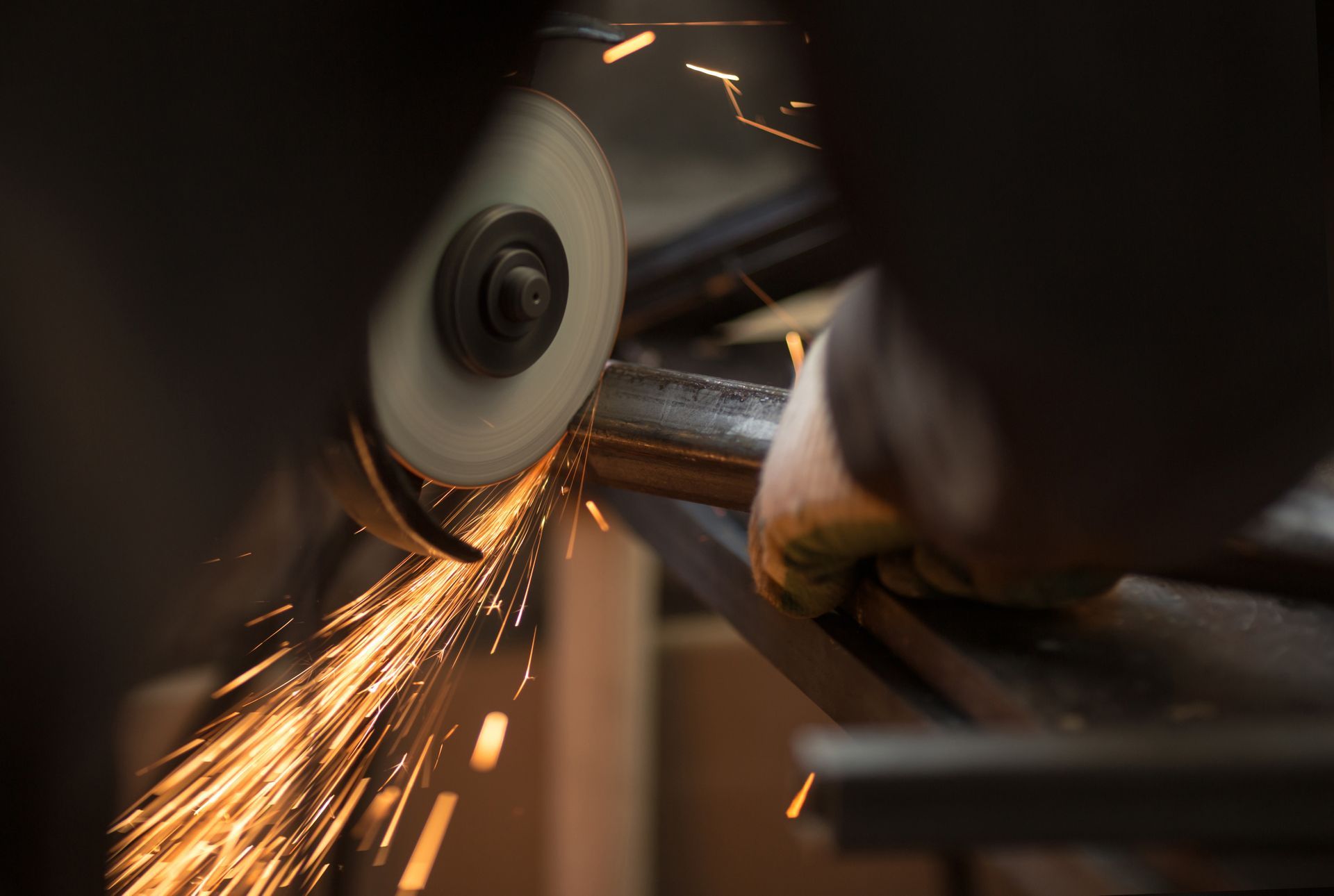
Processing highlights another important distinction. Cutting, welding, or grinding galvanized steel can damage or remove the zinc coating, reducing corrosion protection in affected areas. Welding galvanized steel also requires additional safety precautions due to zinc fumes.
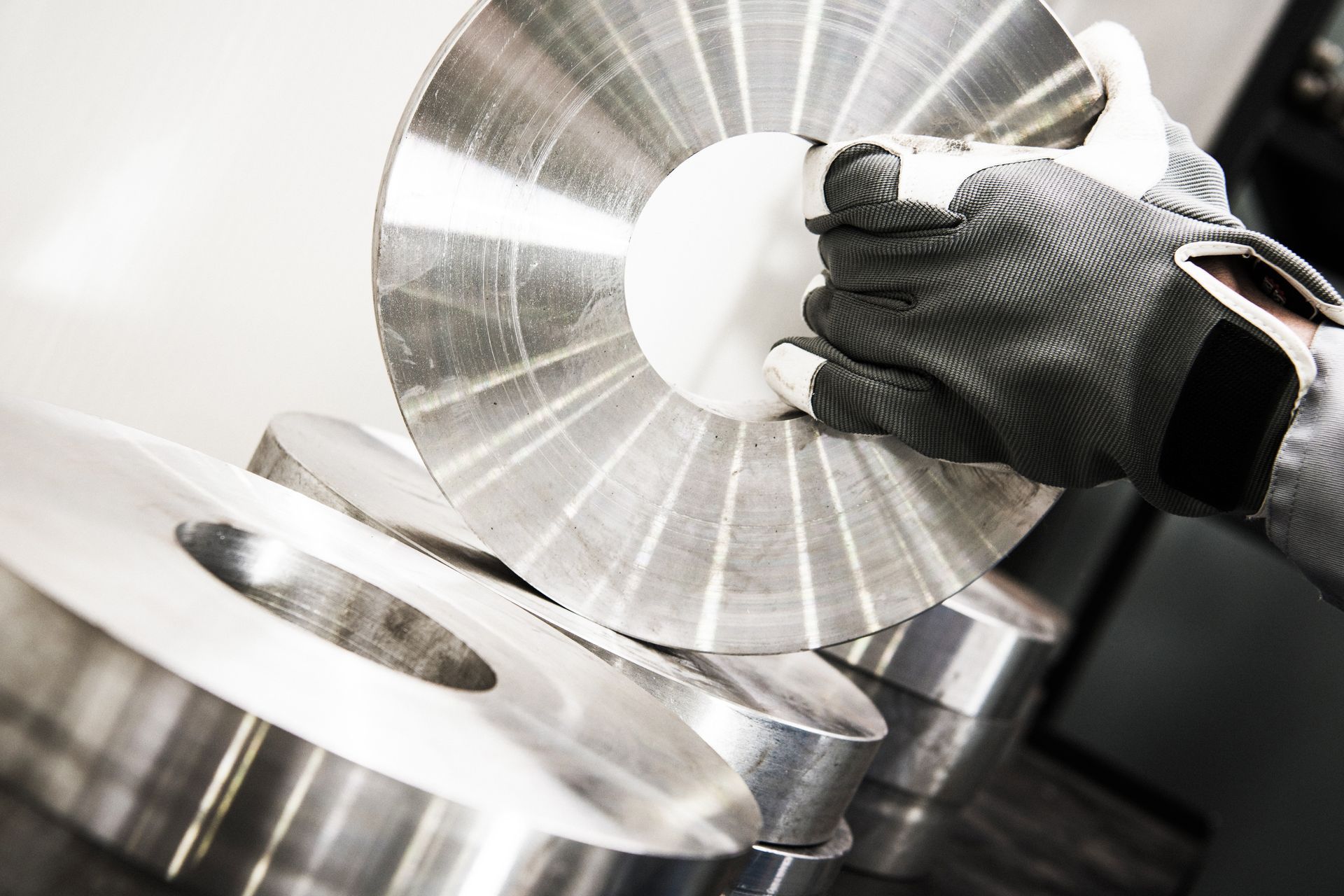
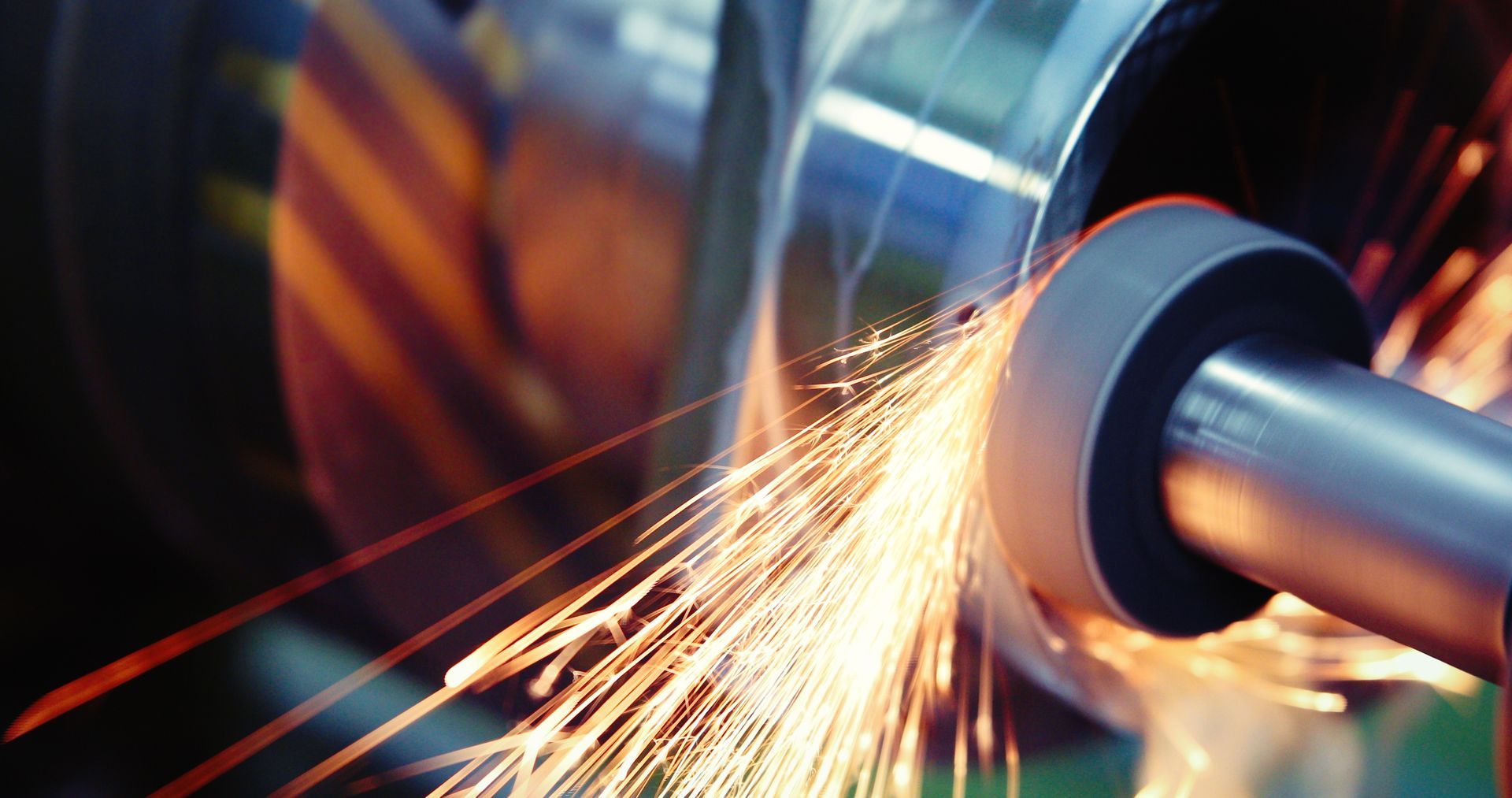
Stainless steel can be cut, machined, centerless ground, and polished without compromising corrosion resistance when proper procedures are followed. This makes stainless steel better suited for precision fabrication and custom components.
Action Stainless focuses on stainless steel processing because it maintains performance throughout cutting, grinding, polishing, and machining operations.
Galvanized vs. Stainless Steel: Side-by-Side Comparison
| Factor | Galvanized Steel | Stainless Steel |
|---|---|---|
| Corrosion Protection Method | Zinc coating | Alloy-based passive layer |
| Longevity in Harsh Environments | Limited | Long-term |
| Surface Damage Impact | Coating damage reduces protection | Protection regenerates |
| Maintenance Needs | Moderate to high over time | Low |
| Fabrication Impact | Coating can be damaged | No loss of protection |
| Typical Applications | Structural, general outdoor use | Food, marine, chemical, precision systems |
| Lifecycle Cost | Lower upfront, higher long-term | Higher upfront, lower long-term |
Which Material Is Better for Corrosion Resistance?
From a corrosion-resistance standpoint, stainless steel is the superior choice, especially in environments involving moisture, chemicals, cleaning agents, or long service life expectations. Galvanized steel can be effective for general structural or outdoor applications where corrosion exposure is limited and cost is a primary concern.
When performance, reliability, and durability are critical, stainless steel provides greater confidence and consistency over time.
Why Action Stainless Focuses on Stainless Steel
Action Stainless specializes in stainless steel products because they deliver dependable corrosion resistance across a wide range of demanding applications. By supplying stainless bar, tube, and pipe along with precision services such as centerless grinding and polishing Action Stainless supports customers who require materials that perform consistently throughout their lifecycle.
Rather than relying on coatings that wear away, stainless steel provides corrosion resistance that remains intact through fabrication and daily use.
Conclusion
When corrosion resistance and long-term performance matter, stainless steel offers clear advantages. Galvanized steel may work for general applications, but stainless steel delivers durability and consistency in demanding environments. Action Stainless supplies stainless steel products designed to perform where corrosion cannot be compromised.
Contact us to discuss stainless steel options or request a quote.
FAQs: Galvanized Steel vs. Stainless Steel
Is galvanized steel corrosion-proof?
No. Galvanized steel resists corrosion through a zinc coating, which eventually degrades over time.
Does stainless steel rust?
Stainless steel is highly resistant to corrosion, though performance depends on grade and environment.
Which lasts longer outdoors?
Stainless steel generally lasts longer, especially in wet or coastal environments.
Is stainless steel more expensive than galvanized steel?
Initial material cost is typically higher, but stainless often has lower lifecycle cost.
Does Action Stainless sell galvanized steel?
No. Action Stainless specializes in stainless steel products and services.