
Why Does Stainless Steel Rust Sometimes? (And How to Prevent It)
Stainless steel is widely known for its corrosion resistance, which often leads to an important and very common question: does stainless steel rust? The honest answer is yes, stainless steel can rust under certain conditions. However, when rust does appear, it is usually the result of environmental factors, improper material selection, or surface contamination rather than a failure of the material itself.
Understanding why stainless steel sometimes rusts helps engineers, fabricators, and maintenance teams prevent corrosion issues before they occur. Stainless steel’s corrosion resistance depends on chemistry, surface condition, and the environment in which it is used.
At
Action Stainless, customers work with stainless steel in applications where corrosion resistance is critical. This article explains how stainless steel resists corrosion, why rust can still form, and what practical steps help prevent it.
How Stainless Steel Resists Rust
Stainless steel contains chromium, which reacts with oxygen to form a thin, invisible layer of chromium oxide on the surface. This passive layer protects the steel from corrosion by blocking oxygen and moisture from reaching the iron beneath.
Unlike coatings or platings, this protective layer is part of the metal itself. If the surface is scratched or lightly damaged, the chromium oxide layer reforms naturally in the presence of oxygen. This self-healing behavior is what makes stainless steel resistant to rust in many environments.
However, this protection is not absolute. When the passive layer is disrupted or unable to reform, corrosion can begin.
Why Stainless Steel Can Rust
Rust occurs when the passive layer is compromised or overwhelmed. Several common factors can contribute to this.
Chloride Exposure
Chlorides, commonly found in saltwater, de-icing salts, and some cleaning agents, are particularly aggressive toward stainless steel. In high concentrations, chlorides can break down the passive layer and cause localized corrosion, such as pitting.
Surface Contamination
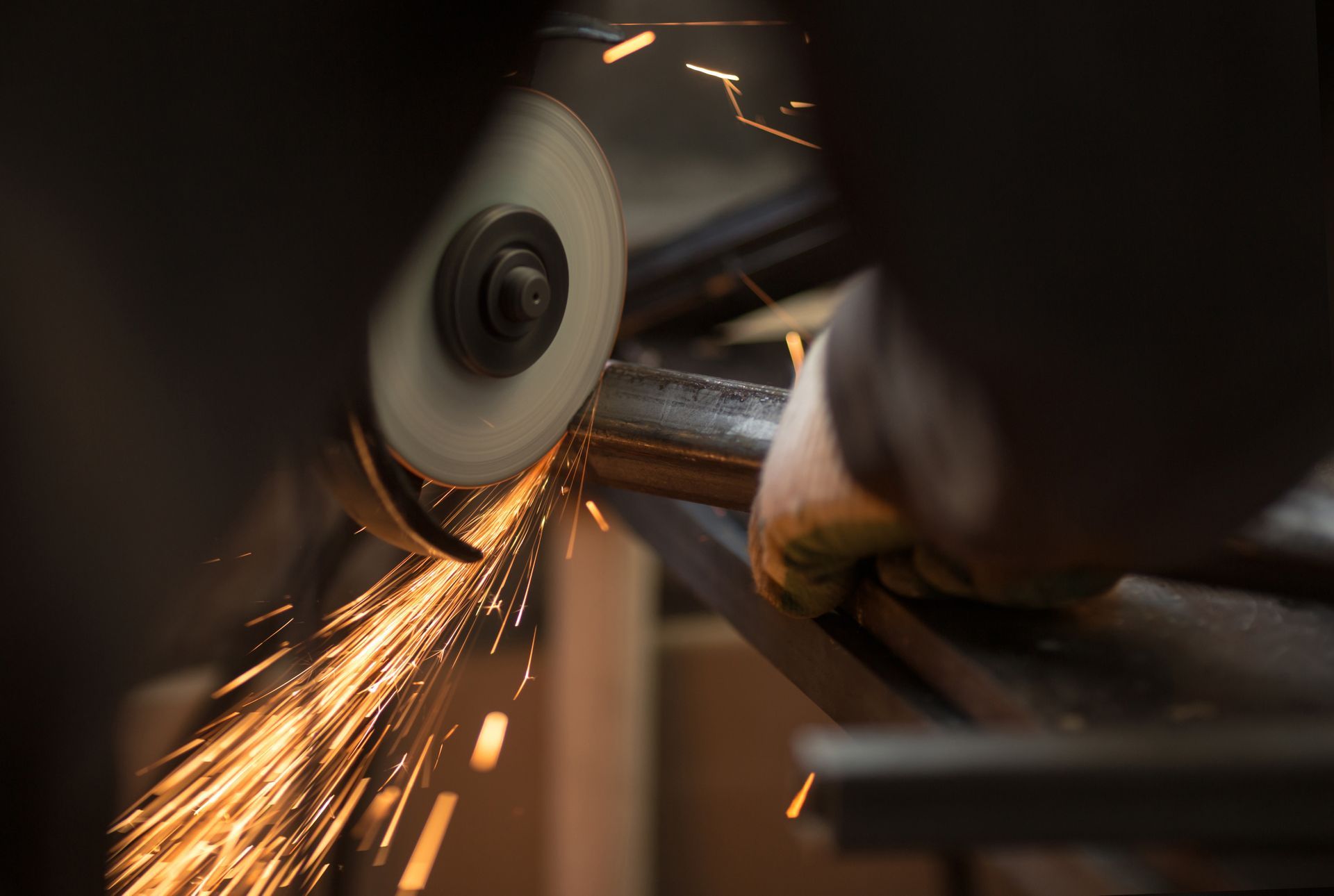
Contact with carbon steel tools, grinding dust, or iron particles can contaminate stainless steel surfaces. These particles can rust independently, making it appear as though the stainless steel itself is corroding.
Low-Oxygen Environments
The passive layer requires oxygen to reform. In crevices, tight joints, or stagnant environments where oxygen is limited, the protective layer may not regenerate effectively.
Improper Grade Selection
Not all stainless steels offer the same level of corrosion resistance. Using a grade designed for mild environments in a harsh or corrosive setting increases the likelihood of rust.
Improper Cleaning or Maintenance
Residue buildup, harsh chemicals, or infrequent cleaning can damage the passive layer and allow corrosion to start.
Common Types of Stainless Steel Corrosion
Rust on stainless steel often appears in specific forms rather than widespread surface corrosion.
- Pitting corrosion - Small, localized holes caused by chloride attack
- Crevice corrosion - Occurs in tight gaps where oxygen is limited
- Surface staining - Often caused by iron contamination rather than true rust
- Tea staining - A cosmetic discoloration common in coastal environments
Understanding the type of corrosion helps identify the root cause and corrective action.
How Stainless Steel Grades Affect Rust Resistance
Different stainless steel grades provide different levels of corrosion resistance due to their alloy content.
| Stainless Grade | Corrosion Resistance | Typical Environments |
|---|---|---|
| 304 | Good | Indoor, mild outdoor, food processing |
| 316 | Very good | Marine, chemical, chloride exposure |
| 430 | Moderate | Indoor, dry environments |
| Duplex | High | Industrial, marine, structural |
Selecting the appropriate grade is one of the most effective ways to prevent corrosion.
How Processing and Handling Affect Corrosion
Operations such as cutting, grinding, polishing, and machining do not inherently reduce stainless steel’s corrosion resistance. However, improper handling during these processes can introduce contamination.
For example:
- Using carbon steel tools on stainless surfaces
- Allowing grinding dust from carbon steel nearby
- Skipping proper cleaning after fabrication
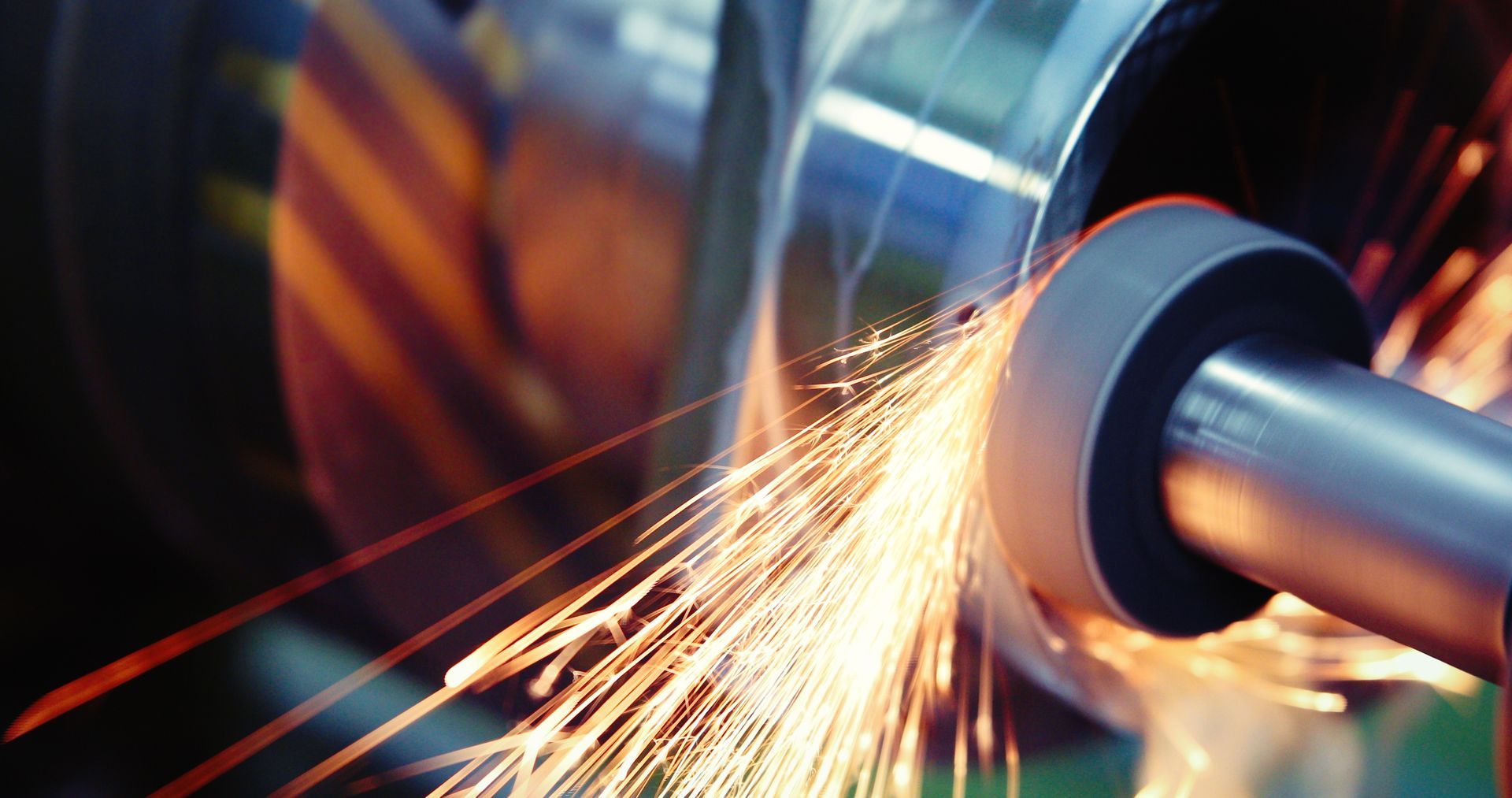
Action Stainless supports stainless processing with attention to material handling practices that help maintain surface integrity during cutting, centerless grinding, polishing, and machining preparation.
Preventing Rust on Stainless Steel
Preventing corrosion starts with informed decisions and good practices.
Choose the Right Grade
Match the stainless grade to the environment. Higher chloride exposure typically requires higher-alloy grades.
Avoid Cross-Contamination
Use stainless-only tools and clean workspaces to prevent iron contamination.
Maintain Clean Surfaces
Regular cleaning removes chlorides, residue, and contaminants that can damage the passive layer.
Allow Oxygen Exposure
Design assemblies to minimize stagnant crevices where oxygen cannot reach the surface.
Use Appropriate Cleaning Products
Avoid cleaners containing chlorides or harsh chemicals unless specifically approved for stainless steel.
Does Rust Mean Stainless Steel Has Failed?
Not necessarily. In many cases, rust or staining on stainless steel is superficial and can be removed through proper cleaning or passivation. Addressing the underlying cause such as contamination or environmental exposure often restores performance.
Understanding that stainless steel is corrosion-resistant, not corrosion-proof, helps set realistic expectations and encourages proactive prevention.
Why Grade Selection Matters at the Start
Many corrosion issues originate during material selection. Choosing a grade based solely on cost rather than environment can lead to long-term problems. Action Stainless works with customers to supply stainless bar, tube, and pipe suitable for the intended application, helping reduce the risk of corrosion-related issues down the line.
Conclusion
Stainless steel offers excellent corrosion resistance, but rust can occur when environmental conditions, contamination, or grade selection are not properly addressed. Understanding how stainless steel resists corrosion and what compromises that protection allows users to prevent rust and extend service life. With proper material selection, handling, and maintenance, stainless steel performs reliably in demanding environments.
Contact us to discuss stainless steel grades, corrosion considerations, or material options for your application.
FAQs: Stainless Steel and Rust
Does stainless steel rust?
Yes, under certain conditions, but it is far more resistant than carbon steel.
Is rust on stainless steel permanent?
Often no. Many cases are surface staining or contamination that can be cleaned.
Which stainless grade resists rust best?
Higher-alloy grades like 316 generally perform better in corrosive environments.
Can cleaning products cause rust?
Yes. Some cleaners contain chlorides that can damage the passive layer.
Does Action Stainless help with grade selection?
Yes. Action Stainless supplies stainless materials suited to different environments and applications.