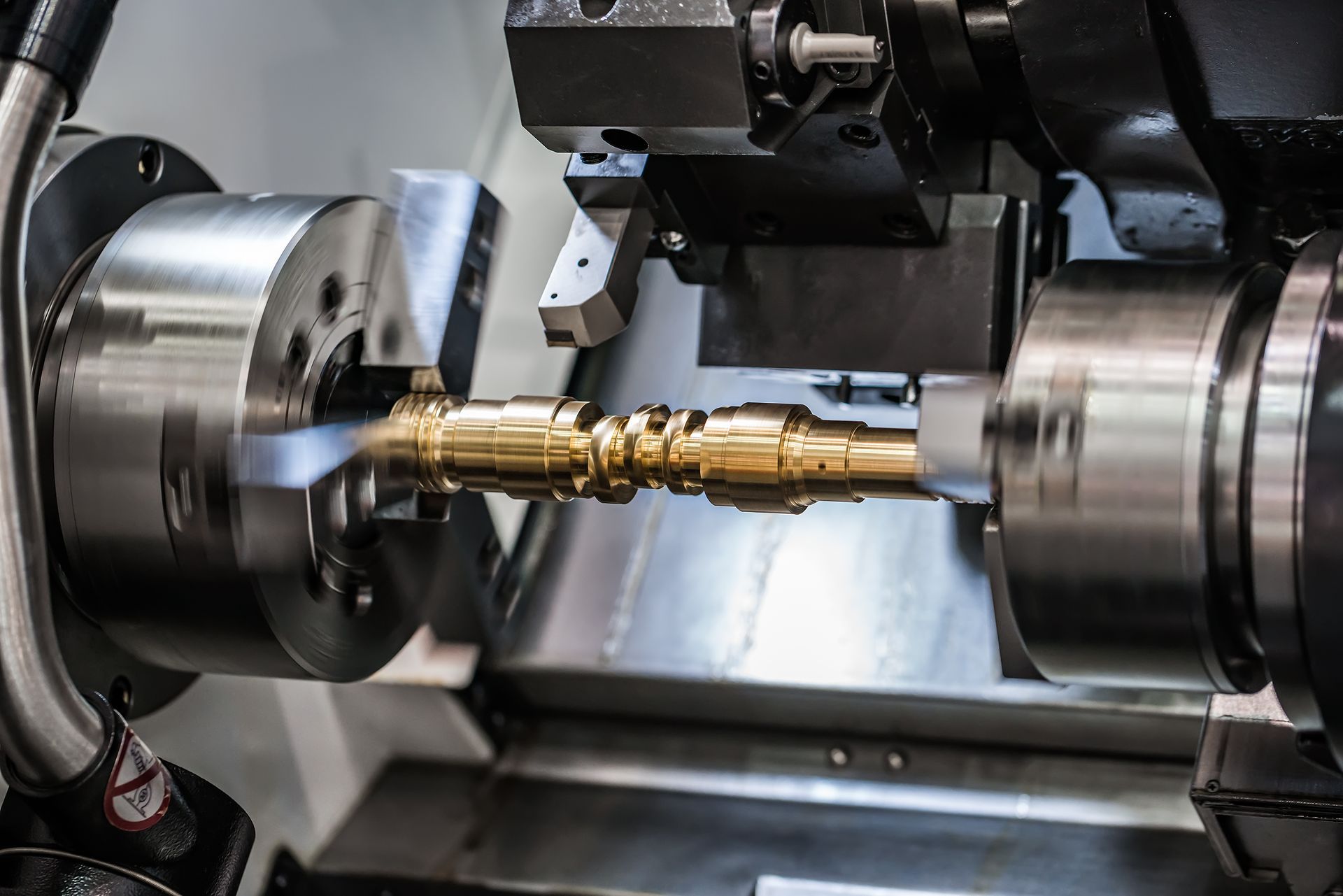

303 vs. 304 Stainless Steel: Free-Machining vs. General Purpose
When selecting stainless steel for machined parts, two of the most commonly compared grades are 303 and 304 stainless steel. Both belong to the austenitic stainless steel family and share many similarities, but they are designed for different priorities. One emphasizes machinability, while the other focuses on versatility and corrosion resistance.
Machinists, engineers, and procurement teams often face this decision when balancing production efficiency against environmental performance. Understanding how these two grades differ and where each excels helps ensure the right material is chosen for the application.
At Action Stainless, customers work with both 303 and 304 stainless steel depending on machining requirements, service conditions, and end-use expectations. This article breaks down the differences between 303 and 304 stainless steel, explains how those differences affect real-world use, and outlines when each grade is the better choice.
What 303 and 304 Stainless Steel Have in Common
Both 303 and 304 stainless steels are austenitic alloys, meaning they share a similar crystal structure and are generally non-magnetic in the annealed condition. They both contain chromium and nickel, which provide corrosion resistance and good toughness across a wide temperature range.
These shared traits make both grades suitable for:
- Machined components
- Shafts and fasteners
- Fittings and connectors
- General industrial parts
However, a key compositional difference sets them apart.
What Makes 303 a Free-Machining Stainless Steel
303 stainless steel is specifically modified to improve machinability. This is achieved by adding sulfur to the alloy. The sulfur forms inclusions that help break chips during machining, reducing tool wear and improving surface finish in high-speed machining operations.
Because of this, 303 stainless steel is often referred to as a free-machining stainless steel. It is widely used in CNC turning, screw machining, and high-volume production environments where machining efficiency is critical.
The trade-off is that the added sulfur slightly reduces corrosion resistance and weldability compared to 304.
What Makes 304 a General-Purpose Stainless Steel
304 stainless steel is considered the most versatile and widely used stainless grade. It does not contain added sulfur, which gives it better overall corrosion resistance and weldability compared to 303.
Because of its balanced properties, 304 stainless steel is used across a broad range of industries, including food processing, chemical handling, architectural applications, and general fabrication. It is often selected when corrosion resistance, cleanliness, or welding performance is more important than machining speed.
While 304 is still machinable, it does not machine as easily as 303, especially in high-speed or automated machining environments.
Machinability Differences in Practice
From a machining standpoint, the difference between 303 and 304 can be significant. 303 machines more smoothly, produces shorter chips, and places less stress on cutting tools. This leads to:
- Faster machining cycles
- Improved tool life
- Better surface finish in turning operations
304 stainless steel tends to be tougher and more prone to work hardening. This requires slower speeds, sharper tools, and more careful process control to achieve good results.
For shops running large volumes of turned parts, 303 often provides meaningful productivity advantages.
Corrosion Resistance Considerations
Corrosion resistance is where 304 stainless steel has the advantage. The sulfur added to 303 slightly disrupts the protective passive layer that gives stainless steel its corrosion resistance. As a result, 303 performs best in mild environments where corrosion exposure is limited.
304 stainless steel provides more reliable corrosion resistance in:
- Humid environments
- Food and beverage applications
- Mild chemical exposure
- Washdown conditions
For applications where corrosion performance is critical, 304 is usually the preferred choice.
Weldability and Fabrication
Weldability is another key difference. 304 stainless steel welds well using standard stainless welding practices and is commonly used in fabricated assemblies.
303 stainless steel is generally not recommended for welding. The sulfur content can lead to hot cracking and reduced weld quality. When welding is required, 304 is the safer and more predictable option.
Typical Applications for Each Grade
303 stainless steel is commonly used for:
- CNC-turned parts
- Screws, bolts, and fittings
- Shafts requiring extensive machining
- High-volume machined components
304 stainless steel is commonly used for:
- Food processing equipment
- Tanks and enclosures
- Fabricated components
- Corrosion-resistant structural parts
303 vs. 304 Stainless Steel: Side-by-Side Comparison
| Factor | 303 Stainless Steel | 304 Stainless Steel |
|---|---|---|
| Primary Purpose | Free-machining | General-purpose |
| Machinability | Excellent | Good |
| Corrosion Resistance | Good (mild environments) | Very good |
| Weldability | Limited | Good |
| Sulfur Content | Higher | Low |
| Typical Uses | Machined parts | Fabrication and corrosion-resistant parts |
How Processing Fits In
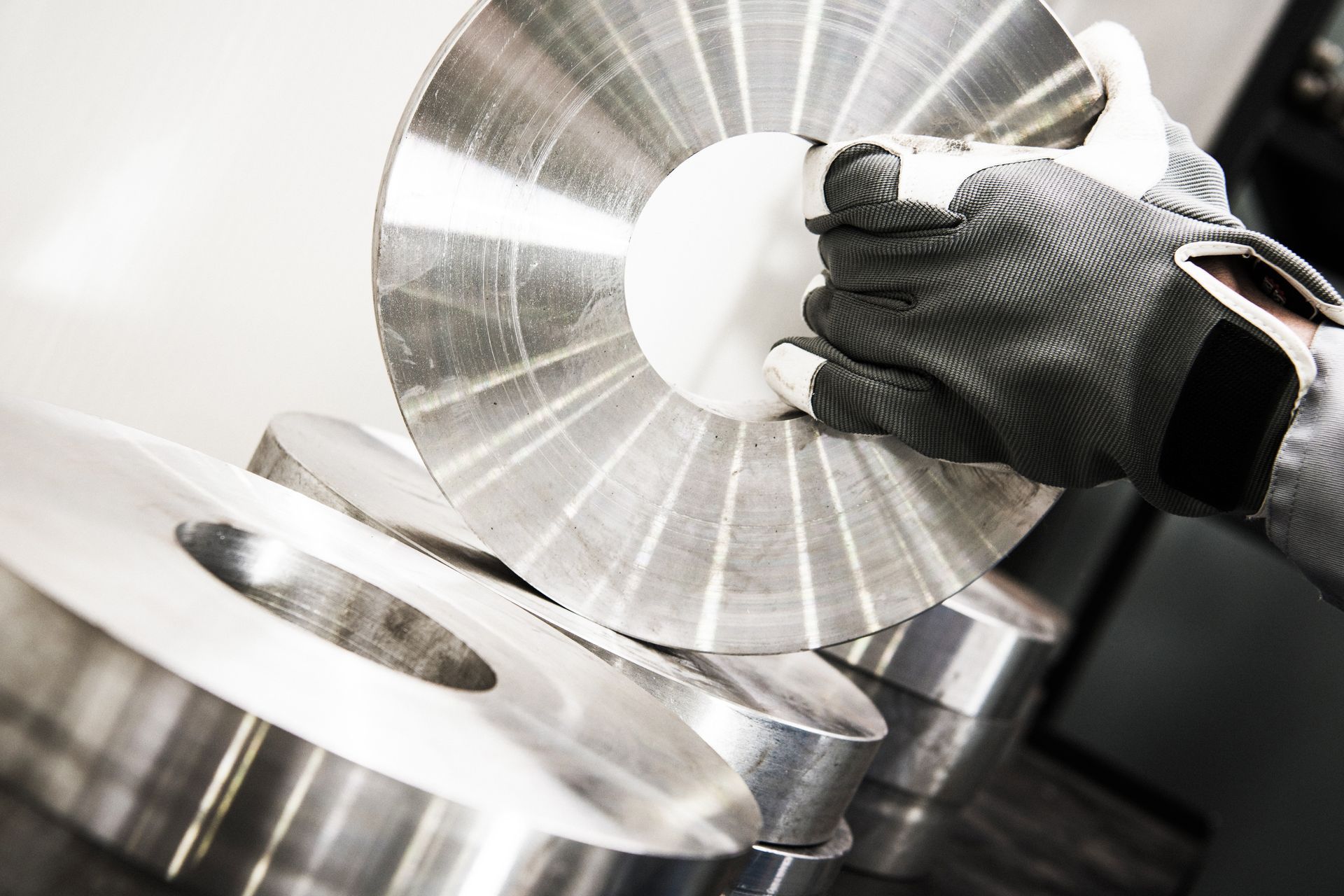
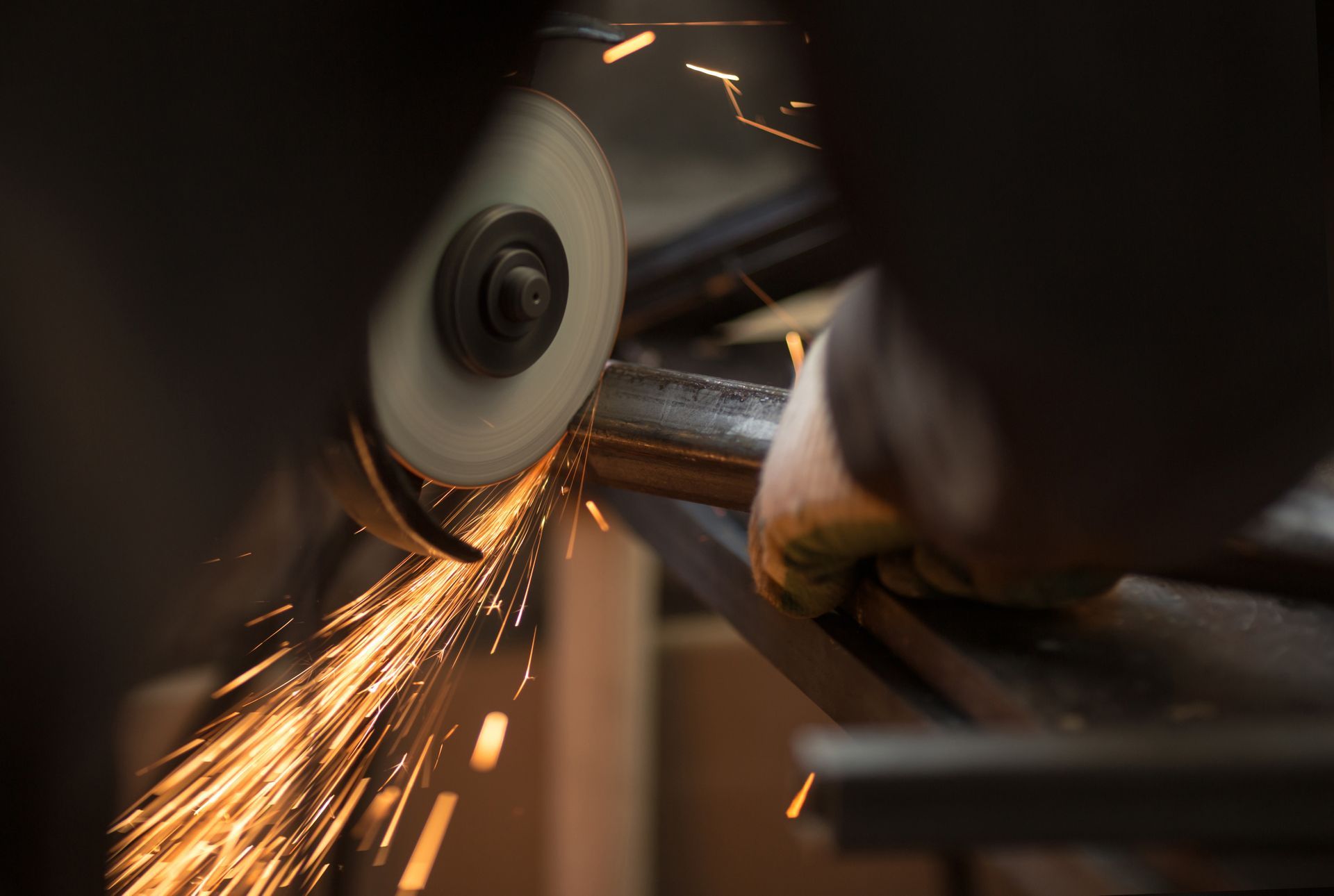
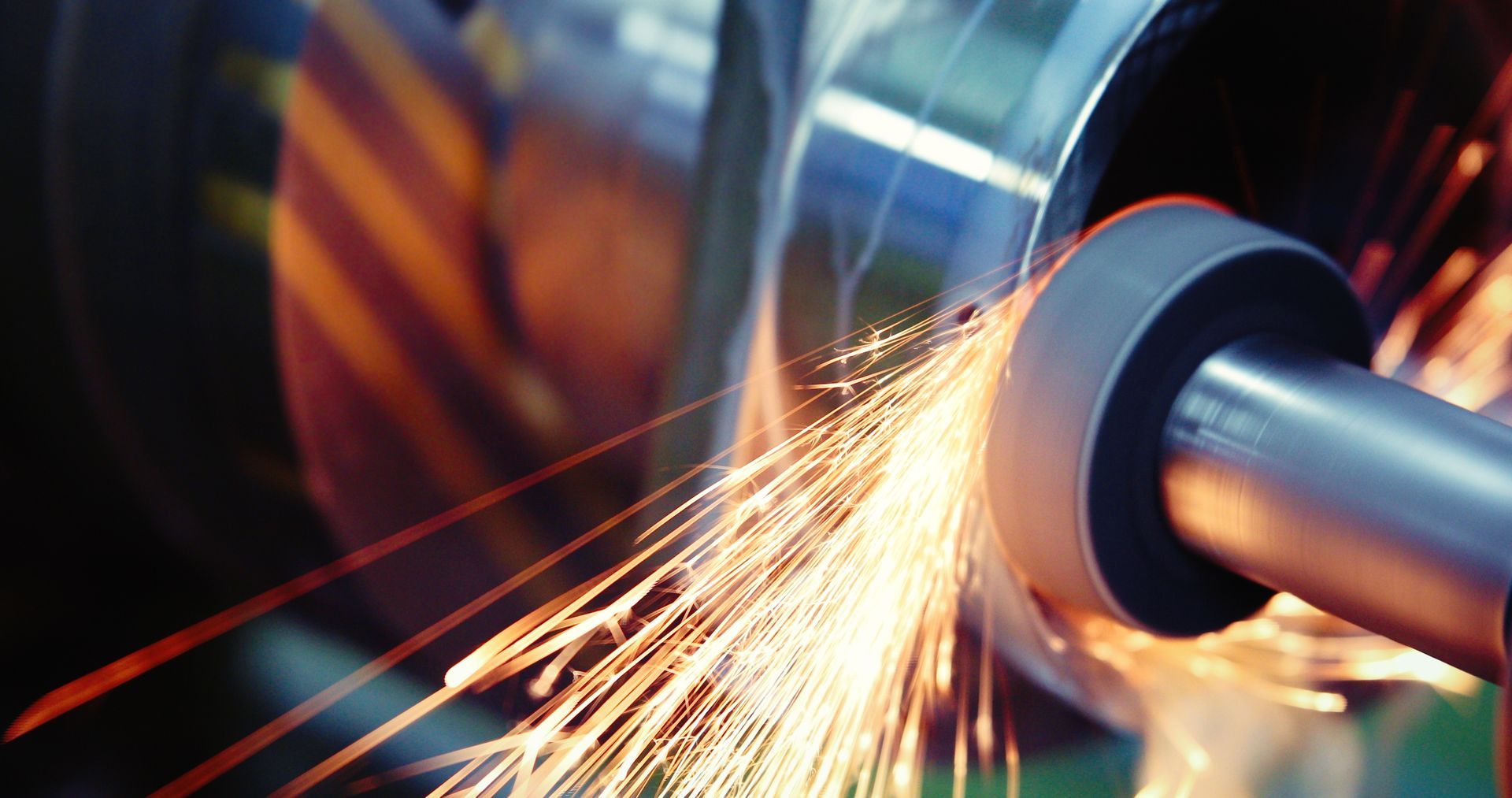
Operations such as cutting, centerless grinding, and polishing are commonly performed on both 303 and 304 stainless steel. However, machinability differences still affect how easily parts can be produced downstream.
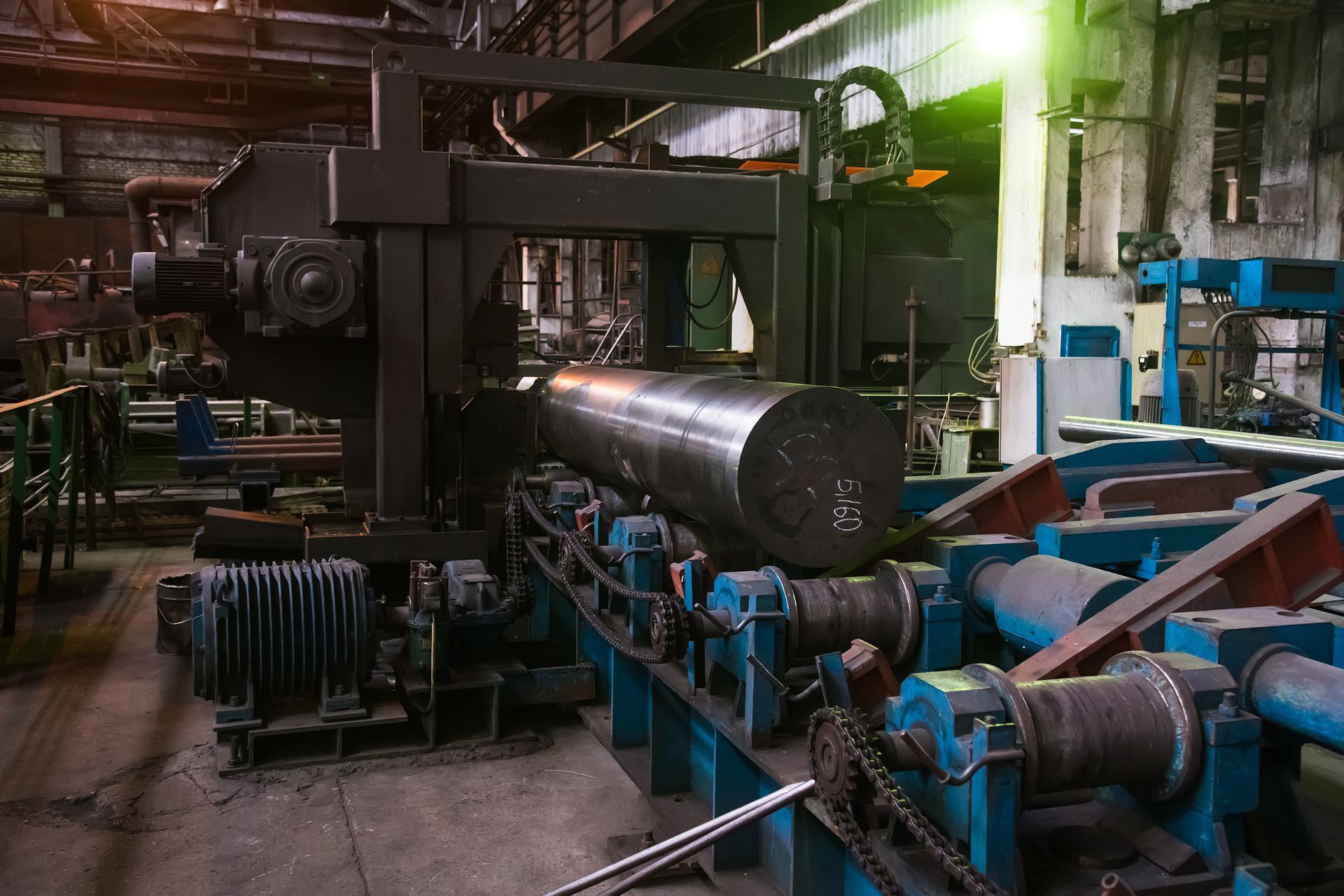
Action Stainless supplies stainless bar and supports processing services such as cutting and centerless grinding to help prepare material for machining. Choosing the right grade at the start helps reduce machining challenges and improves overall efficiency.
Which Grade Should You Choose?
The choice between 303 and 304 stainless steel comes down to application priorities:
- Choose 303 when machining efficiency and production speed are the top concerns, and corrosion exposure is limited.
- Choose 304 when corrosion resistance, weldability, or cleanliness is more important than machining speed.
Neither grade is universally better each is designed for a specific purpose.
Conclusion
Selecting the right stainless steel grade is essential for balancing performance, manufacturability, and service life. 303 stainless steel excels in free-machining applications, while 304 stainless steel offers broader corrosion resistance and fabrication flexibility. Action Stainless supplies both grades and supports customers in selecting materials that fit their machining and application requirements.
Contact us to discuss stainless steel options or request a quote.
FAQs: 303 vs. 304 Stainless Steel
Is 303 stainless steel corrosion resistant?
Yes, but it performs best in mild environments compared to 304.
Why does 303 machine better than 304?
The added sulfur improves chip breaking and reduces tool wear.
Can 303 stainless be welded?
Welding is not recommended due to sulfur-related cracking risk.
Is 304 stainless food-safe?
Yes. 304 is commonly used in food processing applications.
Does Action Stainless supply both grades?
Yes. Action Stainless supplies both 303 and 304 stainless steel.