
Plate Rolling Tolerances: How Rolled Stainless Parts Are Specified
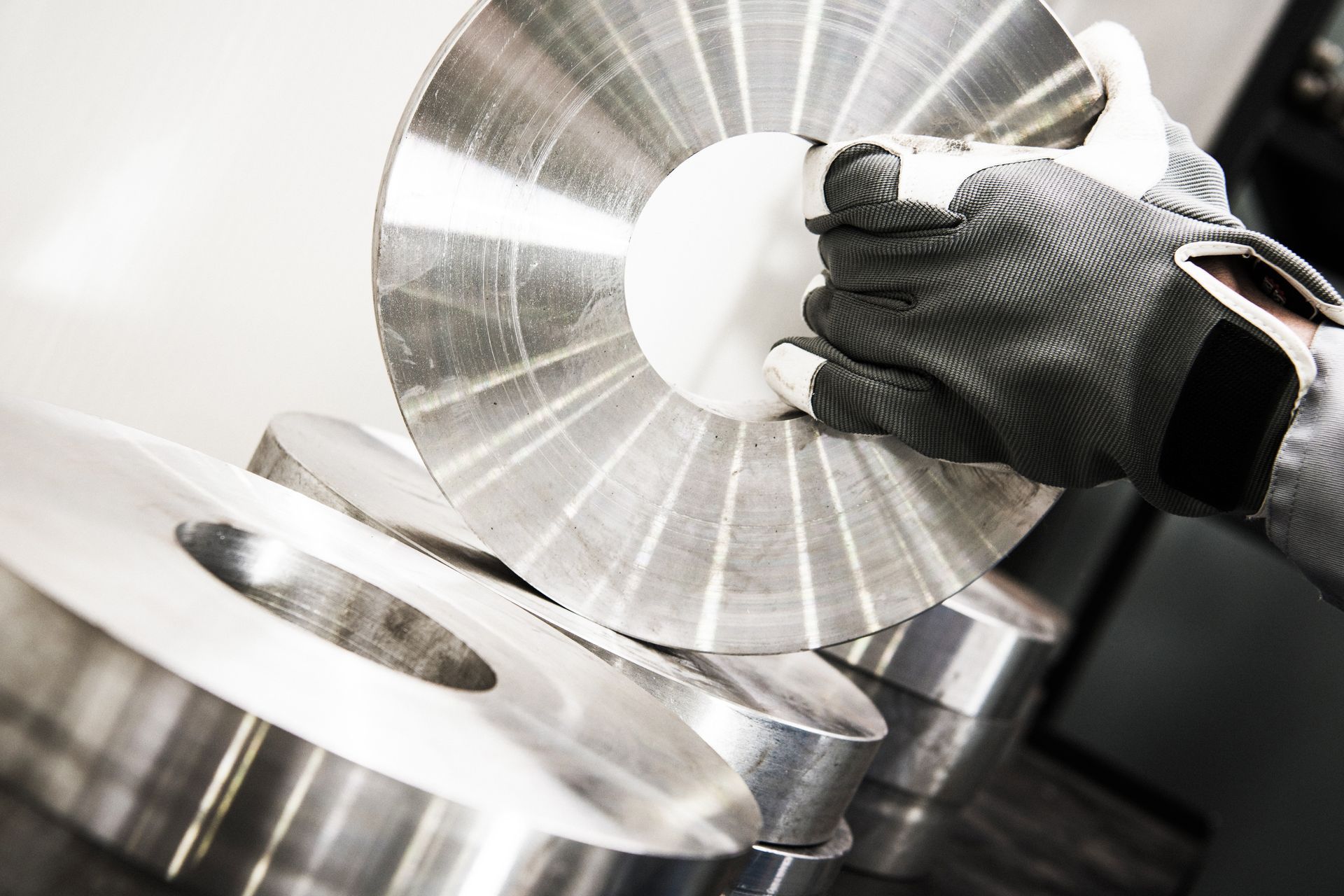
Plate rolling transforms flat stainless steel plate into curved components such as cylinders, shells, sleeves, cones, and formed sections. For buyers and engineers, the challenge is not only selecting the right material. It is also defining the tolerance expectations that control the final rolled shape.
Rolled stain less parts are different from flat plate because the forming process introduces curvature. That means buyers need to think about diameter, radius, roundness, straight edges, and fit-up before quoting.
At Action Stainless,
plate rolling services support stainless steel, duplex stainless steel, and aluminum alloy projects. Understanding how tolerances are specified helps reduce confusion during quoting and fabrication planning.
What Plate Rolling Tolerances Control
Plate rolling tolerances define how closely the finished part must match the requested shape. These tolerances may apply to the part’s diameter, radius, arc length, edge alignment, or overall form.
For simple rolled cylinders, tolerance often focuses on the finished diameter and roundness. For more complex parts, tolerance may also involve straightness, fit-up gap, or how multiple rolled sections align during assembly.
Common Rolled Stainless Components
Rolled stainless parts are used across many industrial fabrication applications. The tolerance requirements depend on how the part will be assembled and used.
Common rolled components include:
- Cylinders
- Sleeves
- Tank shells
- Cones
- Curved panels
- Structural rolled sections
A decorative curved panel may not require the same tolerance as a rolled sleeve that must fit into another assembly.
Diameter, Radius, and Roundness
Diameter and radius are two of the most important dimensions in plate rolling. A rolled part may be specified by outside diameter, inside diameter, or radius depending on how it will be used.
Roundness is also important for cylinders and sleeves. A part can meet an average diameter but still be out of round in certain areas.
Buyers should define which dimension matters most:
- Outside diameter
- Inside diameter
- Centerline radius
- Overall roundness
- Fit-up gap
Clear callouts help avoid interpretation issues.
End Conditions and Fit-Up
Rolled cylinders often need their ends to meet properly for welding, assembly, or installation. If the edges do not align, additional fitting or correction may be required.
End condition requirements may include edge alignment, gap control, or matching rolled sections together. These details should be included in the drawing or RFQ when they affect final assembly.
Material Thickness and Rolling Behavior
Thickness affects how stainless plate behaves during rolling. Thicker material requires more forming force and may need multiple passes to reach the required curvature.
Material grade also matters. Stainless steel, duplex stainless steel, and aluminum alloys can behave differently during forming. This is why the material grade and thickness should always be included in the RFQ.
Action Stainless supplies stainless steel plate for fabrication applications where thickness, strength, and forming behavior matter.
Summary of Plate Rolling Specification Details
| Specification Detail | Why It Matters |
|---|---|
| Material grade | Affects forming behavior |
| Plate thickness | Impacts rolling force and springback |
| Inside or outside diameter | Defines final curved shape |
| Radius | Important for curved panels or partial arcs |
| Roundness | Affects fit and assembly |
| Edge condition | Influences welding and fit-up |
| Quantity | Supports planning and repeatability |
This table helps buyers prepare clearer RFQs for rolled stainless parts.
What Buyers Should Include in an RFQ
A complete RFQ helps reduce delays and improves quoting accuracy. Plate rolling is easier to evaluate when the drawing clearly defines the material, geometry, and final use.
Useful RFQ details include:
- Stainless grade
- Plate thickness
- Finished diameter or radius
- Part length or width
- Quantity
- Drawing or sketch
- Fit-up requirements
- Final application
These details help clarify whether the part is a full cylinder, partial radius, cone, sleeve, or custom curved component.
Common Tolerance Mistakes
One common mistake is specifying only the flat plate size without explaining the final rolled shape. Another is providing a diameter without identifying whether it is inside diameter or outside diameter.
Buyers may also forget to define edge fit-up or roundness when the part will be welded into a cylinder. These missing details can create uncertainty during quoting and fabrication.
How Springback Affects Rolled Stainless Parts
Springback occurs when material partially relaxes after rolling pressure is removed. Stainless steel can show springback depending on grade, thickness, radius, and forming method.
Springback does not mean the part was rolled incorrectly. It is a normal forming consideration that must be accounted for during setup and rolling.
How Action Stainless Supports Rolled Stainless Projects
Action Stainless provides plate rolling as part of its value-added services, supporting curved and cylindrical components for industrial and commercial applications. When buyers provide clear specifications, material details, and drawings, rolled parts can be better aligned with fabrication requirements.
For projects that also involve base material selection, Action Stainless supplies stainless steel products for a range of fabrication needs.
Plate rolling tolerances help define whether a rolled stainless component will fit, align, and perform as expected. Buyers should clearly specify diameter, radius, roundness, thickness, edge condition, and fit-up requirements before quoting.
Clear drawings and complete RFQ details reduce confusion and support better fabrication planning for rolled cylinders, shells, sleeves, and curved stainless components.
Contact us to discuss stainless steel material options and fabrication-related considerations.
FAQs: Plate Rolling Tolerances
What are plate rolling tolerances?
Plate rolling tolerances define how closely a rolled part must match the required diameter, radius, roundness, or fit-up condition.
What information is needed to quote rolled stainless parts?
Buyers should provide material grade, thickness, diameter or radius, part length, quantity, drawing, and fit-up requirements.
Is inside diameter or outside diameter more important for rolled parts?
It depends on the application. Buyers should clearly specify which diameter controls the final fit.
Why does stainless steel spring back after rolling?
Springback occurs because the material relaxes slightly after forming pressure is removed. It depends on grade, thickness, and radius.
Does Action Stainless offer plate rolling services?
Yes. Action Stainless offers plate rolling services for stainless steel, duplex stainless steel, and aluminum alloy projects.