
303 vs. 316 Precision Ground Bar: Machinability vs. Corrosion Resistance
Choosing between 303 and 316 precision ground bar often comes down to one key question: does the application prioritize machinability or corrosion resistance?
Both grades are stainless steel, and both can be used for shafting, turned parts, pins, rods, and machined components. However, they perform differently during machining and in corrosive environments. Understanding those differences helps buyers avoid over-specifying material or choosing a grade that does not match the final application.
At Action Stainless,
centerless grinding supports stainless steel bar applications where diameter control and surface condition matter. When buyers compare 303 and 316 ground bar, the best choice depends on how the part will be machined, where it will be used, and what performance requirements matter most.
What Is 303 Precision Ground Bar?
303 stainless steel is known for machinability. It is an austenitic stainless grade modified to machine more easily than many other stainless steels.
When supplied as precision ground bar, 303 can be useful for parts that require consistent diameter and efficient machining. It is often considered when production involves turning, threading, drilling, or other machining steps.
303 is commonly selected when:
- Machining efficiency is important
- The environment is mild
- The part requires turned features
- Corrosion exposure is limited
The tradeoff is that 303 generally offers less corrosion resistance than 316.
What Is 316 Precision Ground Bar?
316 stainless steel is known for improved corrosion resistance, especially in environments involving moisture, chlorides, or certain chemicals.
When supplied as precision ground bar, 316 is often used for applications where surface condition, diameter consistency, and corrosion resistance all matter. It may be selected for components exposed to harsher operating conditions.
316 is commonly considered when:
- Corrosion resistance is a priority
- The part may see moisture or chemicals
- Stainless shafting needs a more resistant alloy
- Machining is important but not the only concern
316 can still be machined, but it is generally less free-machining than 303.
Machinability vs. Corrosion Resistance
The main difference between 303 and 316 is how each grade balances machining performance and environmental resistance.
303 machines more easily because it is designed for improved chip breaking and machinability. This can help reduce machining difficulty in parts with threads, shoulders, or tight production requirements.
316 provides better corrosion resistance, but it typically requires more attention during machining. Tooling, speeds, feeds, and setup become more important when working with 316.
| Factor | 303 Precision Ground Bar | 316 Precision Ground Bar |
|---|---|---|
| Primary advantage | Machinability | Corrosion resistance |
| Machining behavior | Easier to machine | Requires more control |
| Corrosion resistance | Good in mild environments | Better in more demanding environments |
| Common use | Machined shafting and turned parts | Corrosion-resistant shafts and components |
| Best fit | Production machining | Moisture or chemical exposure |
Why Precision Ground Condition Matters
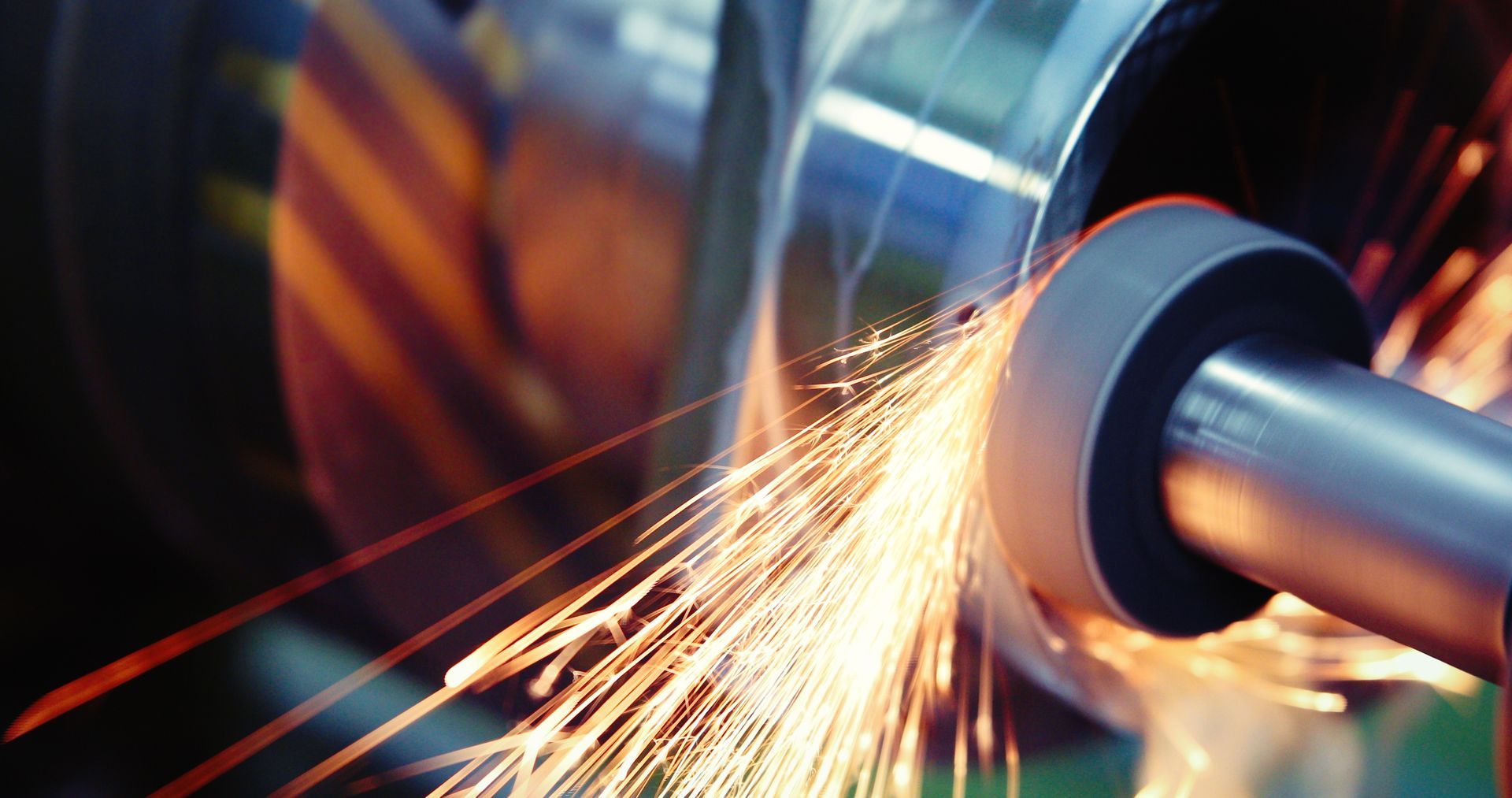
Precision ground bar is selected when the application requires more than standard bar stock. Centerless grinding can improve OD consistency and surface condition, which may help reduce downstream machining uncertainty.
For 303, the ground condition can support efficient machining by providing a consistent starting surface.
For 316, the ground condition can support applications where both dimensional consistency and corrosion resistance matter.
Action Stainless supplies
stainless steel products used in industrial applications where material selection and preparation affect downstream performance.
When to Choose 303 Ground Bar
303 precision ground bar may be the better choice when machining efficiency is the main priority and the operating environment is not highly corrosive.
It is often considered for:
- Turned shafts
- Pins and spacers
- Threaded components
- General machined parts
If the part will be heavily machined and used in a mild environment, 303 may provide the practical balance of machinability and stainless performance.
When to Choose 316 Ground Bar
316 precision ground bar may be the better choice when corrosion resistance matters more than machining speed.
It is often considered for:
- Components exposed to moisture
- Marine or washdown-adjacent applications
- Chemical or process environments
- Shafting where corrosion resistance is important
If corrosion exposure is a concern, 316 is usually the stronger candidate.
Surface Finish and Application Fit
Surface condition matters for both grades. In shafting and bar applications, surface consistency can affect fit, movement, and contact with mating components.
If the application requires additional surface refinement, polishing and finishing may support final material requirements.
Buyers should avoid choosing a grade based on surface finish alone. Grade selection should start with function, environment, and machining needs.
Common Specification Mistakes
One common mistake is choosing 303 only because it is easier to machine, without considering the environment. If the part will be exposed to moisture, chemicals, or corrosive conditions, 316 may be more appropriate.
Another mistake is choosing 316 for every stainless part, even when corrosion resistance is not a major concern. This can increase machining difficulty without adding useful value.
The best specification balances:
- Machinability
- Corrosion exposure
- Diameter requirements
- Surface condition
- Final application
How Action Stainless Supports Ground Bar Selection
Action Stainless supports stainless steel bar applications where grade selection, OD consistency, and surface condition are important. When buyers clearly define the application, tolerance expectations, finish needs, and environment, the right stainless grade can be selected more confidently.
For projects involving additional preparation, Action Stainless also offers value-added services that support downstream fabrication needs.
303 and 316 precision ground bar both have valid uses. The right choice depends on whether the project prioritizes machining efficiency or corrosion resistance. 303 is often preferred for machinability in mild environments, while 316 is better suited for applications where corrosion resistance is a larger concern.
Contact us to discuss stainless steel material options and fabrication-related considerations.
FAQs: 303 vs. 316 Precision Ground Bar
What is the difference between 303 and 316 precision ground bar?
303 is typically chosen for machinability, while 316 is selected for improved corrosion resistance.
Is 303 stainless ground bar easier to machine than 316?
Yes. 303 is designed for improved machinability compared to many other stainless grades.
When should I use 316 ground bar instead of 303?
Use 316 when the part may be exposed to moisture, chemicals, chlorides, or more demanding environments.
Can 303 stainless steel be used for shafting?
Yes. 303 can be used for machined shafting in applications where corrosion exposure is limited.
Does Action Stainless supply precision ground stainless bar?
Yes. Action Stainless supplies stainless steel bar and supports centerless grinding for precision applications.