
Understanding TIR in Precision Ground Bar: How Runout Impacts Shaft Performance
When buyers specify precision ground stainless steel bar, terms like TIR, runout, straightness, and diameter tolerance often come up together. They are related, but they are not the same thing.
Total indicator runout, often shortened to TIR, is a measurement used to evaluate how much a rotating part varies from its ideal axis. For shafting and precision ground bar, runout can affect fit, rotation, bearing performance, and long-term reliability.
At Action Stainless,
centerless grinding supports stainless steel bar applications where outer diameter consistency and surface condition matter. Understanding TIR helps buyers communicate requirements clearly and avoid confusion during quoting or inspection.
What Is Total Indicator Runout?
Total indicator runout measures the full variation shown by an indicator as a part rotates. In simple terms, it shows how much the surface moves in and out relative to the intended axis of rotation.
A bar may have a consistent diameter but still show runout if it is bent, not straight, or not aligned properly during inspection. This is why TIR is important for rotating components and shaft applications.
TIR is commonly evaluated when a shaft must rotate smoothly, fit into bearings, or maintain consistent contact with mating parts.
TIR vs. Diameter Tolerance
Diameter tolerance controls size. TIR controls movement around an axis.
A bar can meet diameter tolerance and still have runout issues. For example, the outside diameter may measure within specification, but the shaft may not rotate evenly if straightness or alignment is not controlled.
This distinction matters in precision applications where rotation, alignment, and motion are critical.
| Specification | What It Controls | Why It Matters |
|---|---|---|
| Diameter tolerance | Size range | Fit and machining allowance |
| Roundness | Circular shape at one section | Local contact and sealing |
| Straightness | Alignment along length | Shaft stability |
| TIR | Total surface movement during rotation | Runout and performance |
Why Runout Matters in Shaft Performance
Runout affects how a shaft behaves when it rotates or moves through a mechanical system. Excessive runout can create vibration, uneven wear, poor alignment, or premature component stress.
This is especially important in applications involving:
- Bearings
- Bushings
- Rotating shafts
- Linear motion systems
- Seal contact surfaces
In these cases, runout is not just an inspection term. It directly affects how the component performs in service.
What Causes Runout in Ground Bar?
Runout can come from several sources. Some are related to the starting material, while others are related to how the bar is handled, processed, or inspected.
Common contributors include:
- Slight bar curvature
- Inconsistent support during measurement
- Out-of-round geometry
- Taper along the bar length
- Improper inspection setup
Because of this, buyers should avoid assuming that diameter tolerance alone will control runout.
How Centerless Grinding Supports Runout Control
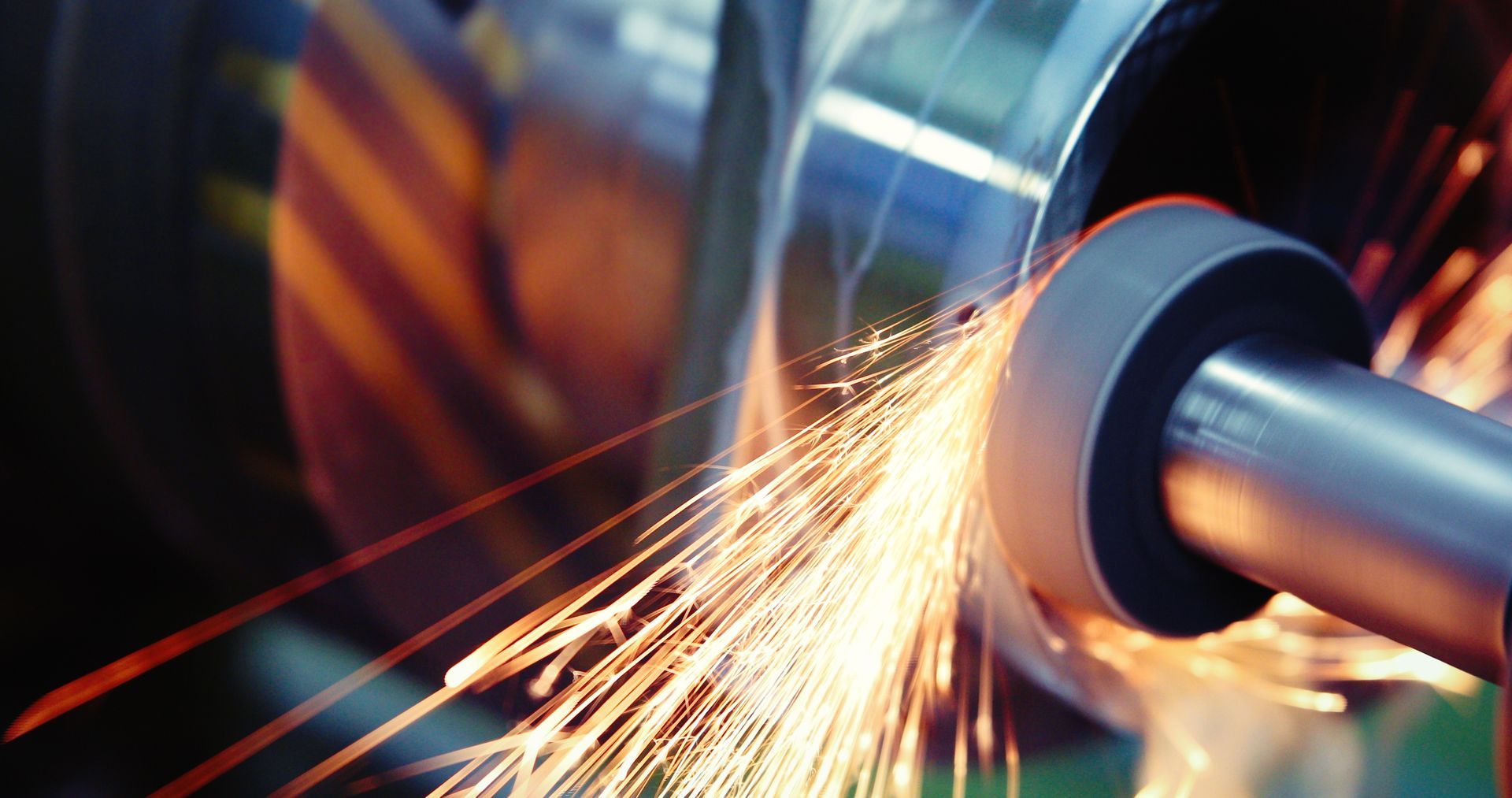
Centerless grinding helps improve outer diameter consistency and surface condition by supporting the bar during controlled material removal. This process can help produce more consistent bar geometry compared to less controlled stock conditions.
However, TIR requirements should still be clearly specified when they are critical to the application. Grinding requirements depend on the starting material condition, the final application, and the geometry being requested.
For projects involving added preparation or material handling needs, Action Stainless also provides
value-added services that support downstream fabrication requirements.
When Buyers Should Specify TIR
Buyers should specify TIR when shaft rotation or alignment directly affects performance. If the part is only being used as raw stock for further machining, TIR may not need to be tightly controlled at the material stage.
TIR is more important when the bar will be used as a finished or near-finished shaft, especially in rotating or motion-control assemblies.
A clear specification should define:
- Final outer diameter
- Bar length
- Diameter tolerance
- TIR requirement, if needed
- Inspection method or datum reference
- Final application
This helps reduce confusion and avoids unnecessary back-and-forth during quoting.
TIR and Straightness Are Related, Not Identical
Straightness describes how closely the bar follows a straight line along its length. TIR measures total movement during rotation.
A straightness issue can contribute to runout, but TIR also depends on how the part is supported and measured. That means inspection setup matters.
When TIR is critical, buyers should be clear about how the part will be supported during inspection and how the measurement should be interpreted.
Common TIR Specification Mistakes
One common mistake is asking for “low runout” without defining what that means. Another is specifying TIR without explaining the application or inspection method.
Buyers may also confuse TIR with roundness or diameter tolerance. These specifications work together, but each controls a different part of the geometry.
If surface condition is also important, polishing and finishing may support the final material requirements.
How Action Stainless Supports Precision Shaft Applications
Action Stainless supplies stainless steel products and supports centerless grinding for applications where diameter control and surface condition are important. When buyers clearly define TIR, tolerance, finish, and application needs, the material can be better aligned with downstream performance requirements.
TIR is an important specification for precision ground bar used in rotating or alignment-sensitive applications. It helps buyers evaluate more than size alone by showing how the shaft behaves around its axis.
By understanding the difference between TIR, straightness, roundness, and diameter tolerance, buyers can write clearer specifications and avoid unnecessary cost or rework.
Contact us to discuss stainless steel material options and fabrication-related considerations.
FAQs: Total Indicator Runout in Ground Bar
What does TIR mean on a shaft?
TIR means total indicator runout. It measures the total surface variation as a shaft rotates around an axis.
Is TIR the same as straightness?
No. Straightness measures alignment along the bar length, while TIR measures movement during rotation.
Why does shaft runout matter?
Runout can affect vibration, bearing contact, seal performance, and alignment in rotating assemblies.
Can a bar meet diameter tolerance but still have runout?
Yes. Diameter tolerance controls size, but runout depends on geometry, straightness, and inspection setup.
Yes. Diameter tolerance controls size, but runout depends on geometry, straightness, and inspection setup.
Specify TIR when the bar will be used as a shaft or rotating component where alignment and smooth motion are important.