
Common Stainless Steel Surface Defects and How They Form During Fabrication
Surface defects in stainless steel often raise concerns about material quality, corrosion resistance, and long-term performance. In many cases, these defects are not material flaws, but the result of fabrication processes, handling practices, or environmental exposure during manufacturing.
Understanding how surface defects form is essential for engineers and fabricators who need to determine whether an issue is cosmetic, process-related, or performance-impacting. This guide focuses on the root causes of common stainless steel surface defects during fabrication, without discussing polishing, finishing, or corrective treatments.
At
Action Stainless, stainless steel is supplied and prepared for industrial applications where surface condition and material integrity matter. Knowing why defects appear helps prevent unnecessary scrap and supports better fabrication outcomes.
Why Surface Defects Appear in Stainless Steel
Stainless steel relies on a thin chromium oxide layer for corrosion resistance. Fabrication processes such as cutting, welding, grinding, and forming can temporarily disrupt this surface condition. When combined with heat, contamination, or mechanical damage, visible surface defects may develop.
Most defects originate from:
- Heat exposure
- Mechanical contact
- Tooling interaction
- Material handling
- Environmental contamination
Identifying the source is more important than the appearance itself.
Heat-Related Surface Defects
Heat Tint
Heat tint appears as blue, gold, purple, or brown discoloration near welds or heat-affected zones. It forms when elevated temperatures cause the oxide layer to thicken unevenly in the presence of oxygen.
Key characteristics:
- Occurs near welds or heat-affected zones
- Indicates surface oxidation, not internal damage
- May affect corrosion performance in aggressive environments
Oxidation Scaling
In higher-temperature processes, heavier oxide layers or scaling may form. This is more pronounced when stainless steel is exposed to prolonged heat or insufficient shielding.
Scaling is typically:
- Rougher than heat tint
- More localized to high-temperature zones
- Indicative of extended heat exposure
Mechanical Surface Defects
Scratches and Gouges
Scratches occur from handling, fixturing, or contact with tools and equipment. While many scratches are cosmetic, deeper gouges may create crevices that affect cleanability or corrosion resistance.
Common causes include:
- Improper lifting or stacking
- Contact with hard surfaces
- Sliding material across worktables
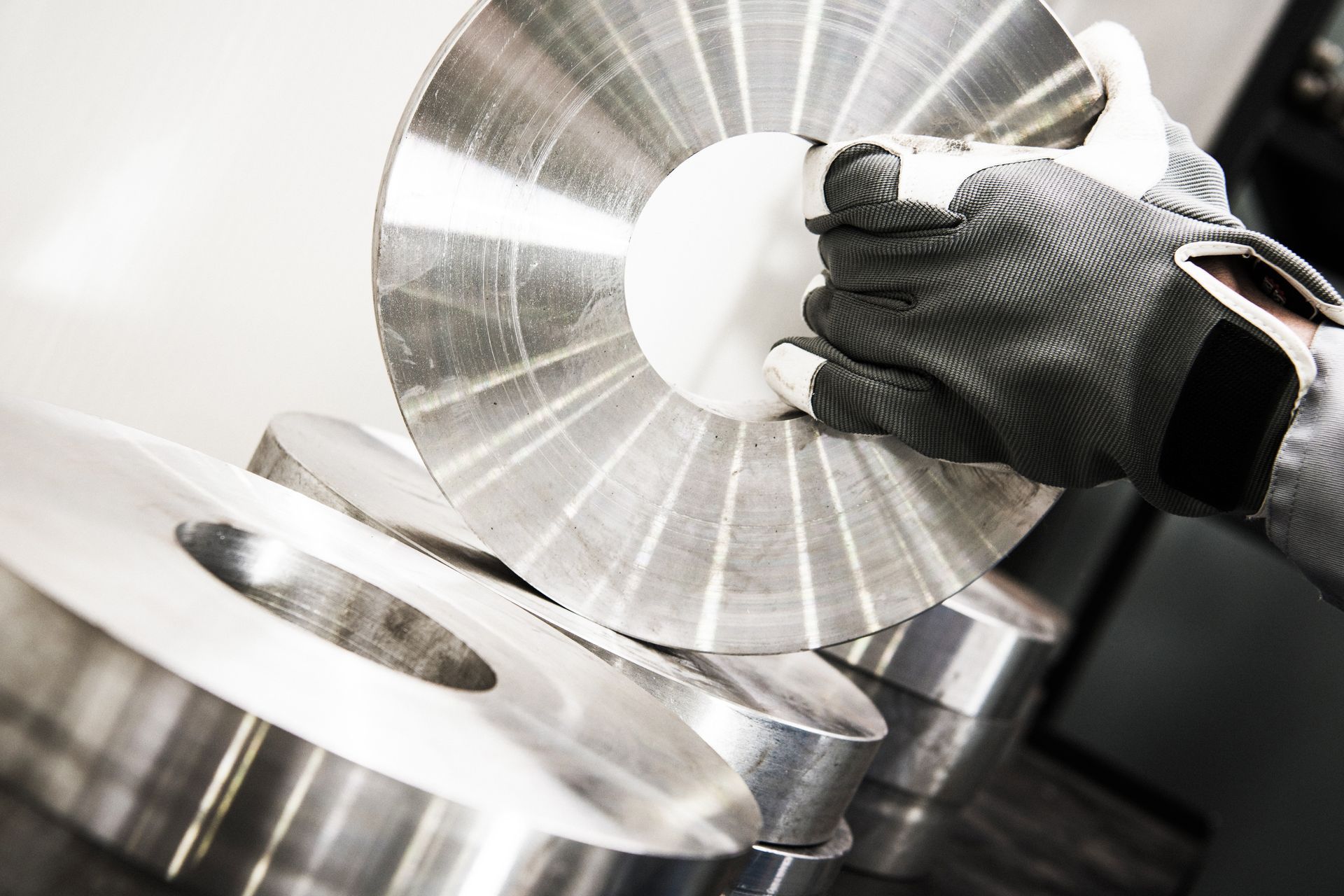
Grinding and Abrasion Marks
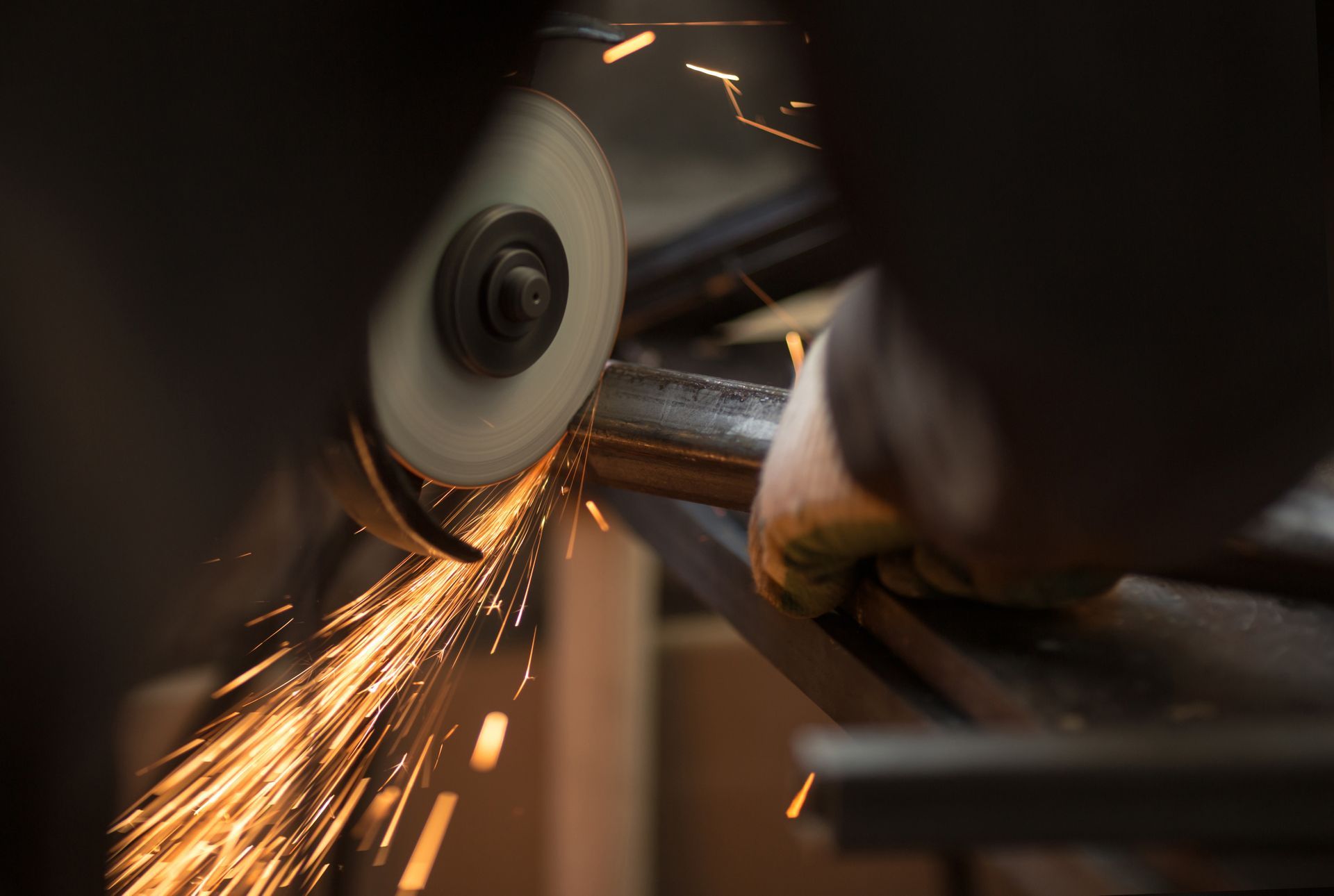
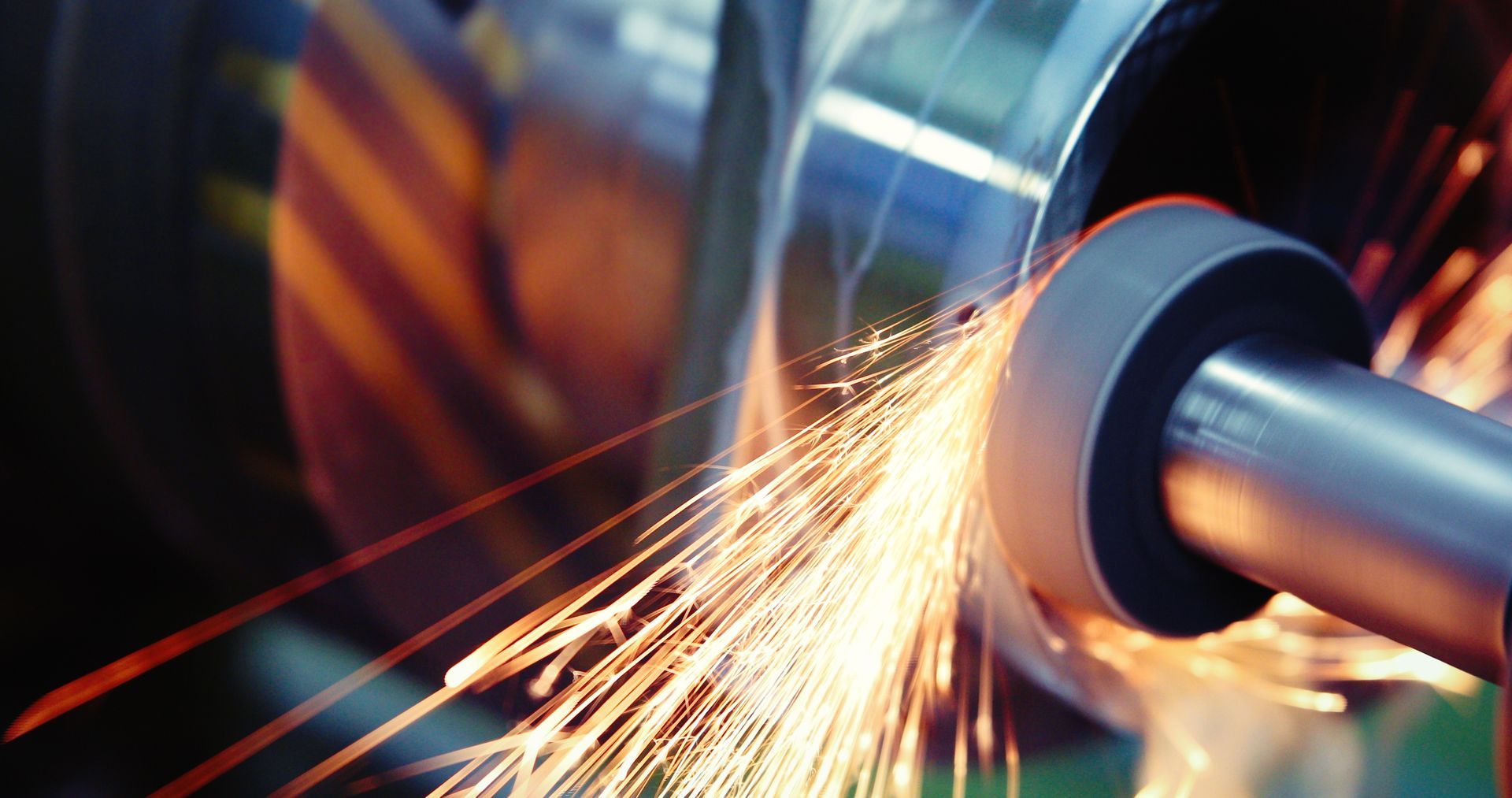
Grinding marks appear as linear patterns or uneven surface texture. These result from abrasive selection, excessive pressure, or improper grinding technique.
Grinding-related defects may:
- Alter surface roughness
- Affect appearance
- Influence cleanability in hygienic applications
Contamination-Based Defects
Iron Contamination and Surface Staining
Stainless steel can become contaminated by iron particles from carbon steel tools, grinding dust, or nearby fabrication operations. These particles may rust independently, creating the appearance of corrosion.
Key indicators:
- Rust-colored spots or streaks
- Localized staining rather than uniform corrosion
- Often removable
Embedded Particles
Foreign material can become embedded in the stainless surface during aggressive grinding or forming. Embedded particles may later oxidize or create localized corrosion sites.
Fabrication-Induced Structural Surface Issues
Weld Spatter
Weld spatter consists of small molten metal droplets that adhere to nearby surfaces during welding. These droplets can create rough spots and localized discoloration.
Spatter does not typically affect base material integrity but may impact surface uniformity.
Micro-Cracking
In rare cases, improper heat control or forming stress can create micro-cracks at the surface. These are more likely under severe processing conditions and require careful evaluation due to potential performance implications.
Common Stainless Steel Surface Defects and Root Causes
| Surface Defect | Primary Cause | Typical Fabrication Source |
|---|---|---|
| Heat tint | Elevated temperature oxidation | Welding, thermal cutting |
| Oxide scale | Prolonged high heat exposure | Welding, heat treatment |
| Scratches | Mechanical contact | Handling, fixturing |
| Grinding marks | Abrasive interaction | Surface grinding |
| Iron staining | Carbon steel contamination | Shared tools, shop dust |
| Weld spatter | Welding process | MIG/TIG welding |
| Embedded particles | Aggressive mechanical processing | Grinding, forming |
How Handling Practices Contribute to Surface Defects
Many surface defects occur after fabrication due to improper handling. Stainless steel should be protected from:
- Contact with carbon steel surfaces
- Dragging or sliding across floors
- Exposure to shop debris
Handling practices play a critical role in maintaining surface condition.
Evaluating Whether a Surface Defect Is a Performance Concern
Not all surface defects affect performance. Evaluation should consider:
- Service environment
- Cleanability requirements
- Aesthetic expectations
- Regulatory considerations
In non-corrosive, structural applications, many surface defects are cosmetic. In food, chemical, or marine environments, surface condition may be more critical.
Why Root-Cause Understanding Matters
Misinterpreting surface defects often leads to unnecessary rework, scrap, or material rejection. By understanding how defects form, engineers and fabricators can: Identify process improvements Prevent repeat issues Make informed decisions about material suitability Action Stainless supports stainless steel supply and processing with attention to material handling and preparation for downstream fabrication.
Conclusion
Surface defects in stainless steel most often result from fabrication processes, handling, or contamination not from material failure. Heat, mechanical contact, and environmental factors can alter surface appearance without compromising structural integrity. Understanding root causes allows teams to distinguish cosmetic issues from performance concerns and improve fabrication practices over time.
Contact us to discuss stainless steel material options and fabrication-related considerations.
FAQs: Stainless Steel Surface Defects
Are surface defects always a sign of poor material quality?
No. Most surface defects are process-related rather than material defects.
No. Most surface defects are process-related rather than material defects.
No. Heat tint is surface oxidation caused by heat exposure.
Can iron contamination cause rust on stainless steel?
Yes. Embedded iron particles can rust independently.
Do scratches always affect corrosion resistance?
Only deep scratches that create crevices may pose a concern.
Does Action Stainless support surface-sensitive applications?
Yes. Action Stainless supplies stainless steel with attention to surface condition during processing.