
Stainless Steel Plate Thickness Guide for Industrial Fabrication
Selecting the correct stainless steel plate thickness is a critical decision in industrial fabrication. Plate thickness affects structural performance, weld design, forming behavior, weight, and overall project cost. Choosing plate that is too thin can lead to deflection or durability issues, while over-specifying thickness can increase material cost and fabrication complexity.
For engineers, fabricators, and procurement teams, understanding how thickness relates to real fabrication requirements helps ensure reliable performance without unnecessary expense. This guide focuses specifically on stainless steel plate thickness selection for industrial fabrication, without comparing plate to sheet or discussing specialty applications.
At
Action Stainless, stainless steel plate is supplied for fabrication projects where material consistency and downstream processing matter.
What Is Stainless Steel Plate in Fabrication?
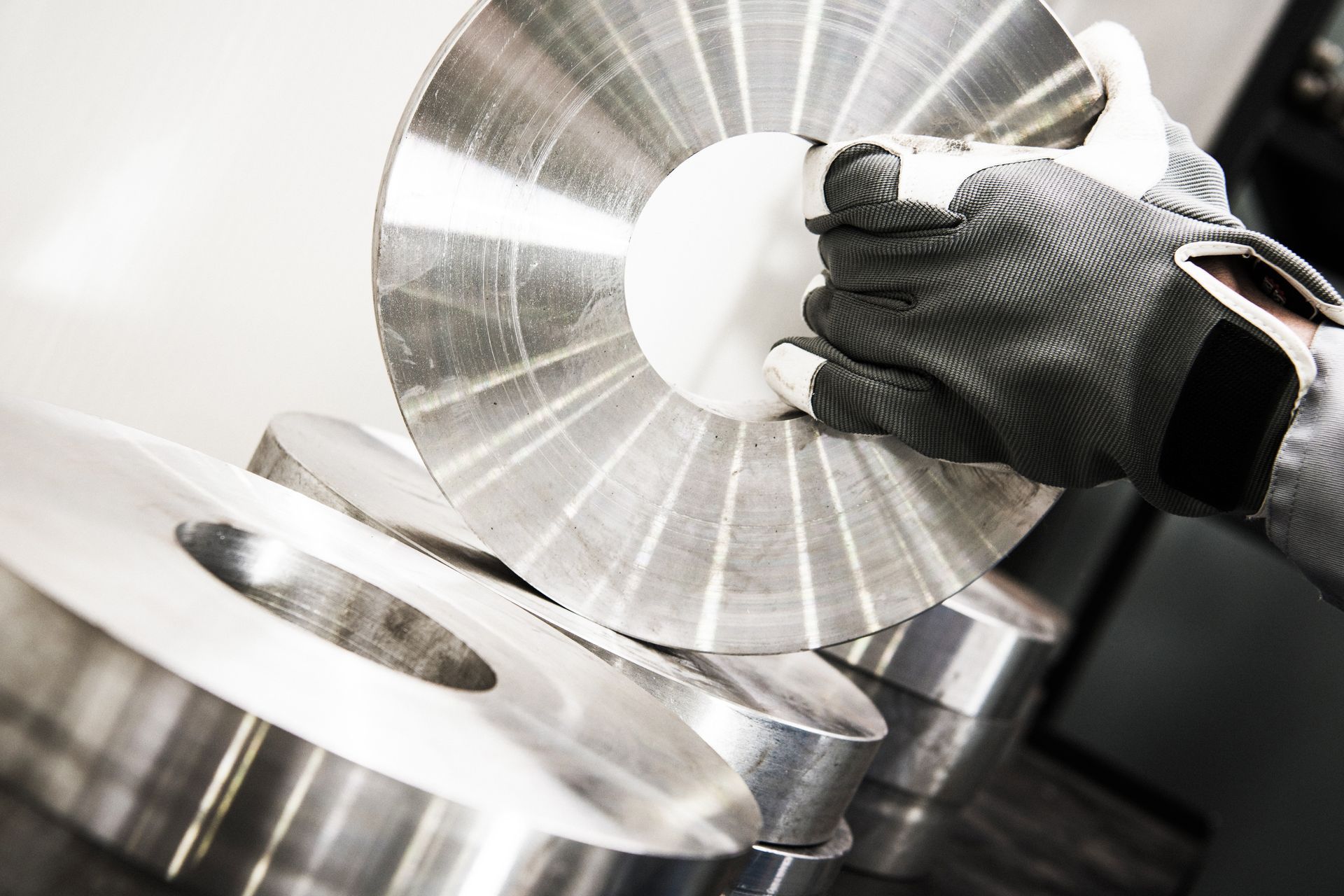
In industrial fabrication, stainless steel plate refers to thicker flat products used where rigidity and load-bearing capability are required. Plate is commonly selected when structural integrity, weld strength, or durability is more critical than flexibility.
Typical fabrication uses include:
- Equipment bases and frames
- Tanks and vessels
- Structural supports
- Heavy-duty enclosures
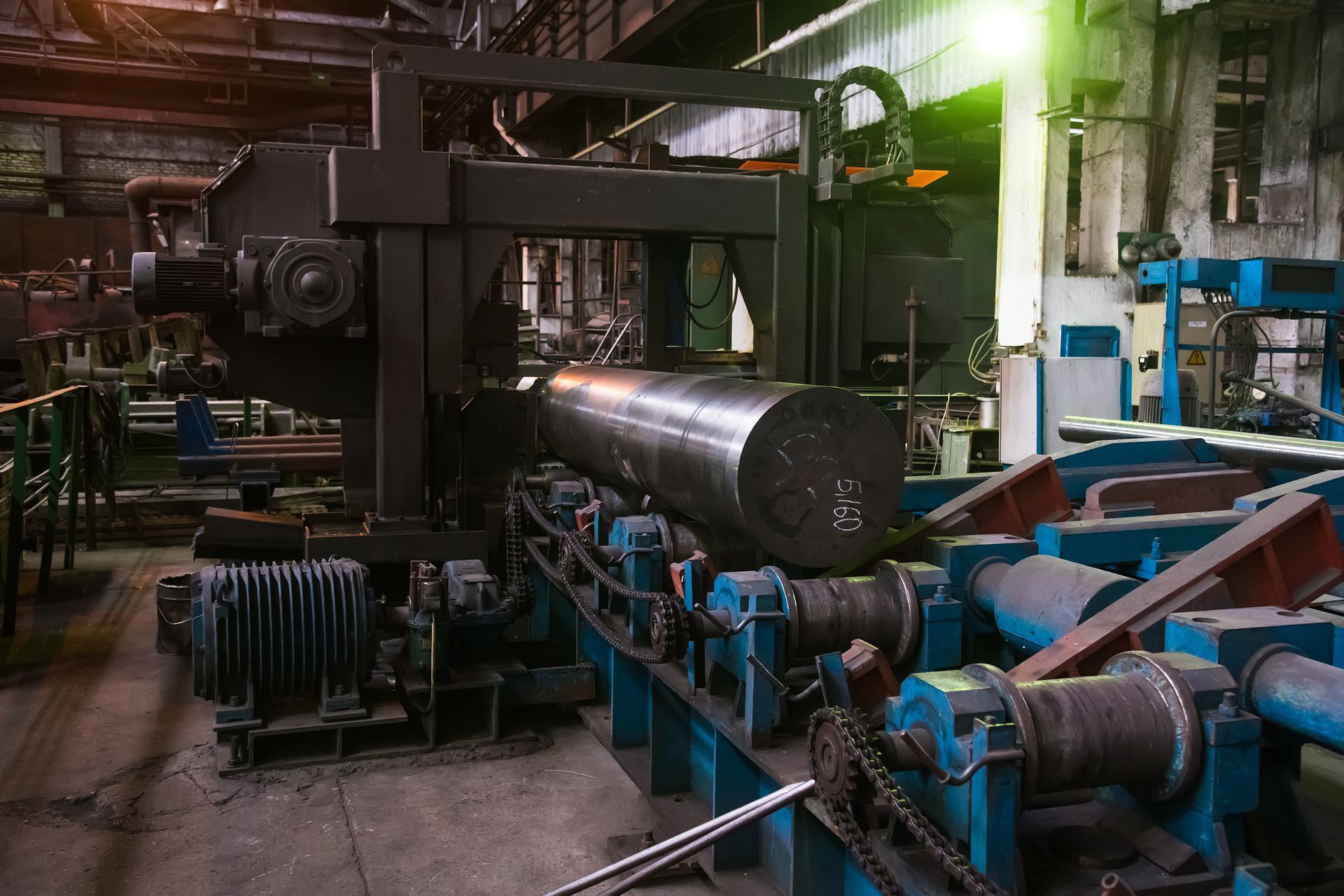
Because of its thickness, plate behaves differently than thinner products during cutting, welding, and forming.
Why Plate Thickness Matters
Plate thickness directly influences how stainless steel performs both during fabrication and in service.
Thickness affects:
- Resistance to bending and deflection
- Weld joint design and heat input
- Forming limitations
- Finished component weight
- Handling and installation requirements
Selecting thickness should always begin with application demands, not just availability or habit.
Common Stainless Stele Plate Thickness Ranges and Uses
Rather than using vague labels, the table below reflects commonly referenced industry thickness groupings and typical fabrication uses. These ranges are illustrative and intended to guide selection — not define performance limits.
| Nominal Plate Thickness Range | Typical Industrial Fabrication Uses |
|---|---|
| Up to 1/4 inch | Equipment covers, access panels, light-duty brackets, enclosures |
| 5/16 – 1/2 inch | Machine bases, frames, reinforced panels, welded assemblies |
| 9/16 – 1 inch | Structural supports, tanks, pressure-containing components |
| Over 1 inch | Heavy bases, load-bearing structures, industrial foundations |
These ranges help fabricators quickly align thickness with functional needs during early design stages.
How Thickness Influences Strength and Rigidity
As plate thickness increases, stiffness increases significantly. Thicker plate resists bending under load and reduces deflection across unsupported spans. This is especially important for base plates, mounting surfaces, and structural components.
In some designs, increasing thickness may reduce the need for additional stiffeners or supports, though this must be balanced against weight and fabrication cost.
Welding Considerations for Thicker Plate
Plate thickness plays a major role in weld planning. Thicker stainless steel plate typically requires:
- Greater heat input
- Proper edge preparation
- Controlled welding sequences
Without appropriate procedures, thicker plate can experience distortion or residual stress. Weld joint design should always match both thickness and grade to ensure sound welds.
Action Stainless supplies stainless steel plate suitable for fabrication processes where controlled welding is required.
Forming and Machining Considerations
As plate thickness increases, forming becomes more demanding. Thicker plate requires:
- Larger bend radii
- Higher forming forces
- More robust tooling
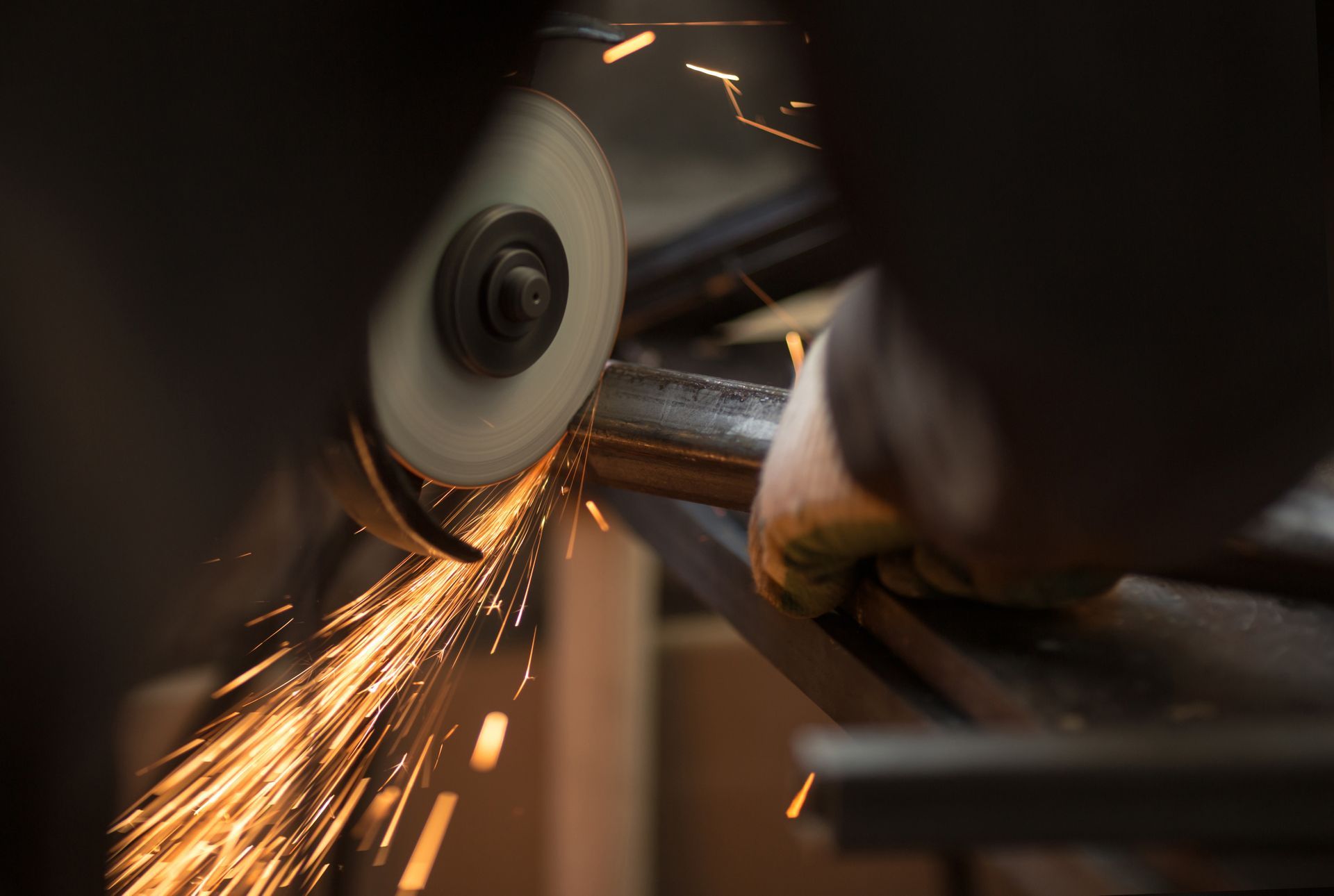
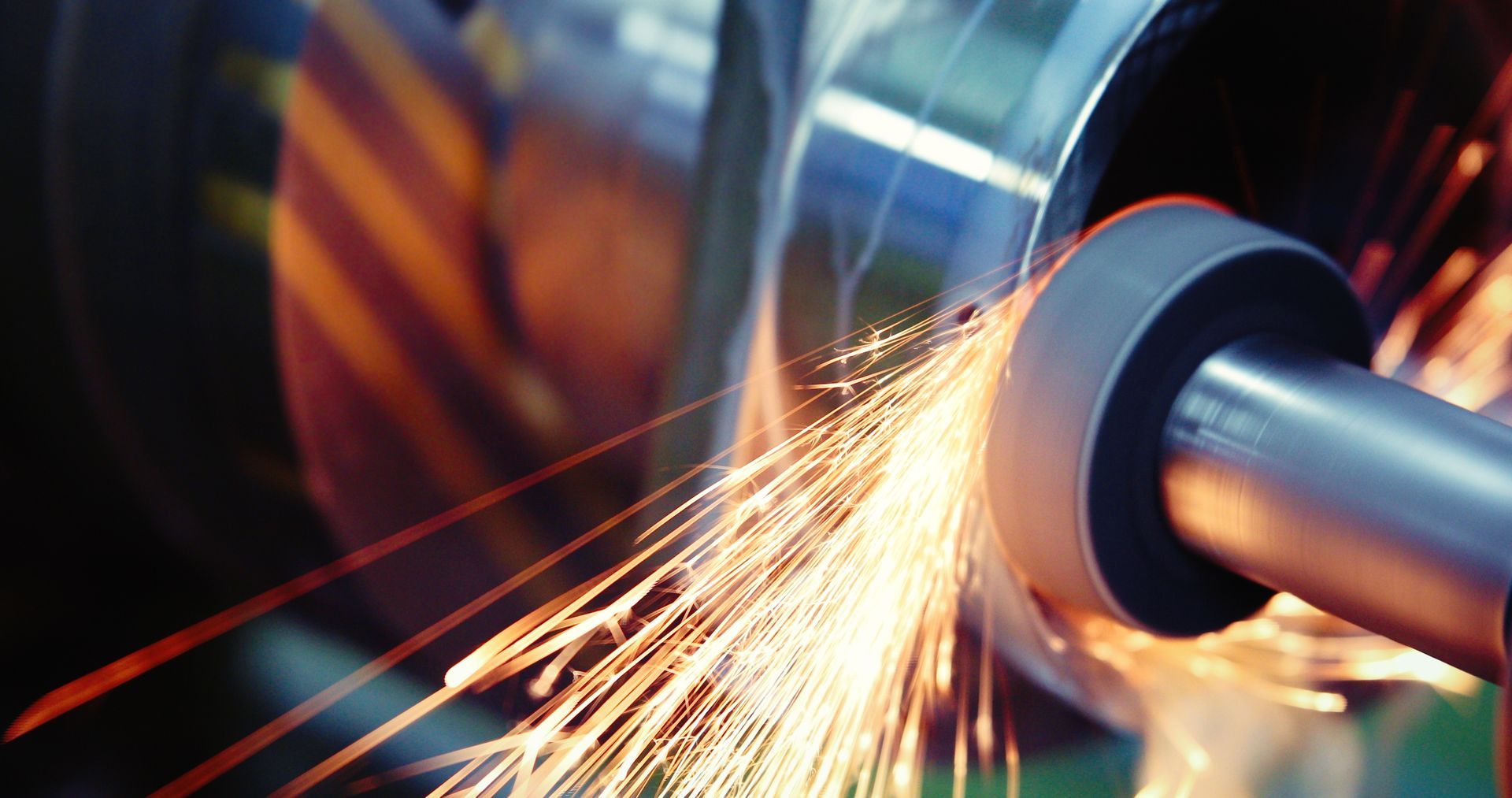
Machining thicker plate also increases tool loads and cycle times. These factors should be considered early to avoid fabrication delays or tooling issues.
Weight, Handling, and Installation
Thicker plate adds weight, which affects:
- Material handling during fabrication
- Transportation logistics
- Installation planning
In some cases, optimizing thickness can reduce overall system weight while still meeting structural requirements.
Corrosion Environment and Thickness
Corrosion resistance is primarily determined by stainless steel grade, not thickness. However, in corrosive environments, thicker plate may provide additional service life before section loss becomes a concern. This is especially relevant for tanks, vessels, and industrial systems exposed to moisture or chemicals.
Avoiding Over-Specification
Over-specifying plate thickness can introduce unnecessary challenges:
- Increased material cost
- More complex welding and forming
- Higher transportation and handling costs
Engineering decisions should balance safety factors with practical fabrication considerations rather than defaulting to thicker material.
How Action Stainless Supports Plate Selection
Action Stainless supplies stainless steel plate for industrial fabrication applications and supports material preparation for downstream processing. Early discussion of thickness requirements helps align material selection with fabrication methods and end-use conditions.
Selecting the right stainless steel plate thickness is essential for successful industrial fabrication. Thickness affects strength, rigidity, weldability, and manufacturability. By matching plate thickness to actual application requirements, engineers and fabricators can achieve reliable performance without unnecessary cost or complexity.
Contact us to discuss stainless steel plate options or thickness considerations for your fabrication project.
FAQs: Stainless Steel Plate Thickness
Is thicker plate always better?
No. Thicker plate increases stiffness but may add unnecessary cost and weight.
Does plate thickness affect weld design?
Yes. Thicker plate requires different joint preparation and welding procedures.
Can thinner plate be reinforced instead?
In some designs, reinforcement can reduce the need for thicker plate.
Does thickness change corrosion resistance?
No. Corrosion resistance depends on grade, not thickness.
Does Action Stainless supply stainless steel plate for fabrication?
Yes. Action Stainless supplies stainless steel plate for industrial fabrication applications.