
What Engineers Should Ask a Stainless Steel Supplier Before Ordering
Selecting a stainless steel supplier is not just a purchasing decisio, it’s an engineering decision. The right supplier helps ensure material consistency, manufacturability, and predictable performance. The wrong one can introduce delays, rework, or downstream quality issues that impact the entire project.
Engineers are often involved in specifying stainless steel for critical applications, yet many supplier conversations focus only on price and availability. Asking the right technical and process-related questions early can prevent misunderstandings and help confirm whether a supplier is truly equipped to support the application.
At
Action Stainless, customers frequently engage early in the specification process to align material, processing, and documentation requirements. This guide outlines the key questions engineers should ask a stainless steel supplier before placing an order.
What Stainless Grades Do You Regularly Supply?
Not all suppliers stock or process the same range of stainless grades. Some focus on a narrow set of common alloys, while others handle a broader mix of austenitic, ferritic, martensitic, duplex, or precipitation-hardening grades.
Engineers should confirm:
- Which grades are routinely available
- Whether specialty or less common grades can be sourced
- If the supplier has experience handling the specific alloy required
Familiarity with the grade matters because different alloys behave differently during cutting, grinding, machining, and fabrication.
What Product Forms Do You Supply?
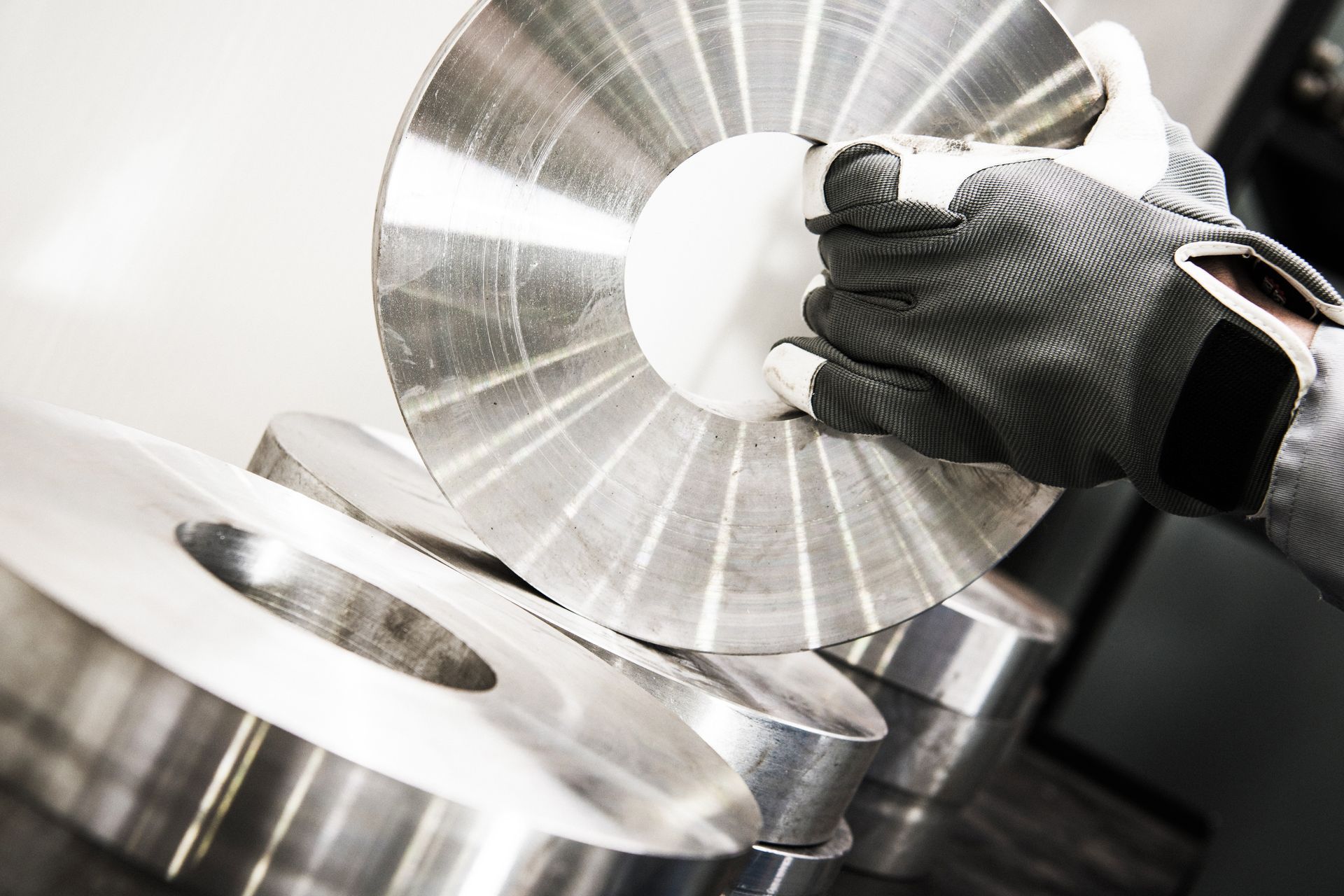
Stainless steel comes in many forms, including bar, tube, pipe, plate, and sheet. Even within those categories, dimensional formats and tolerances vary.
Important questions include:
- Do you supply bar, tube, and pipe in the required sizes?
- Are solid and hollow products both supported?
- Are cut-to-length options available?
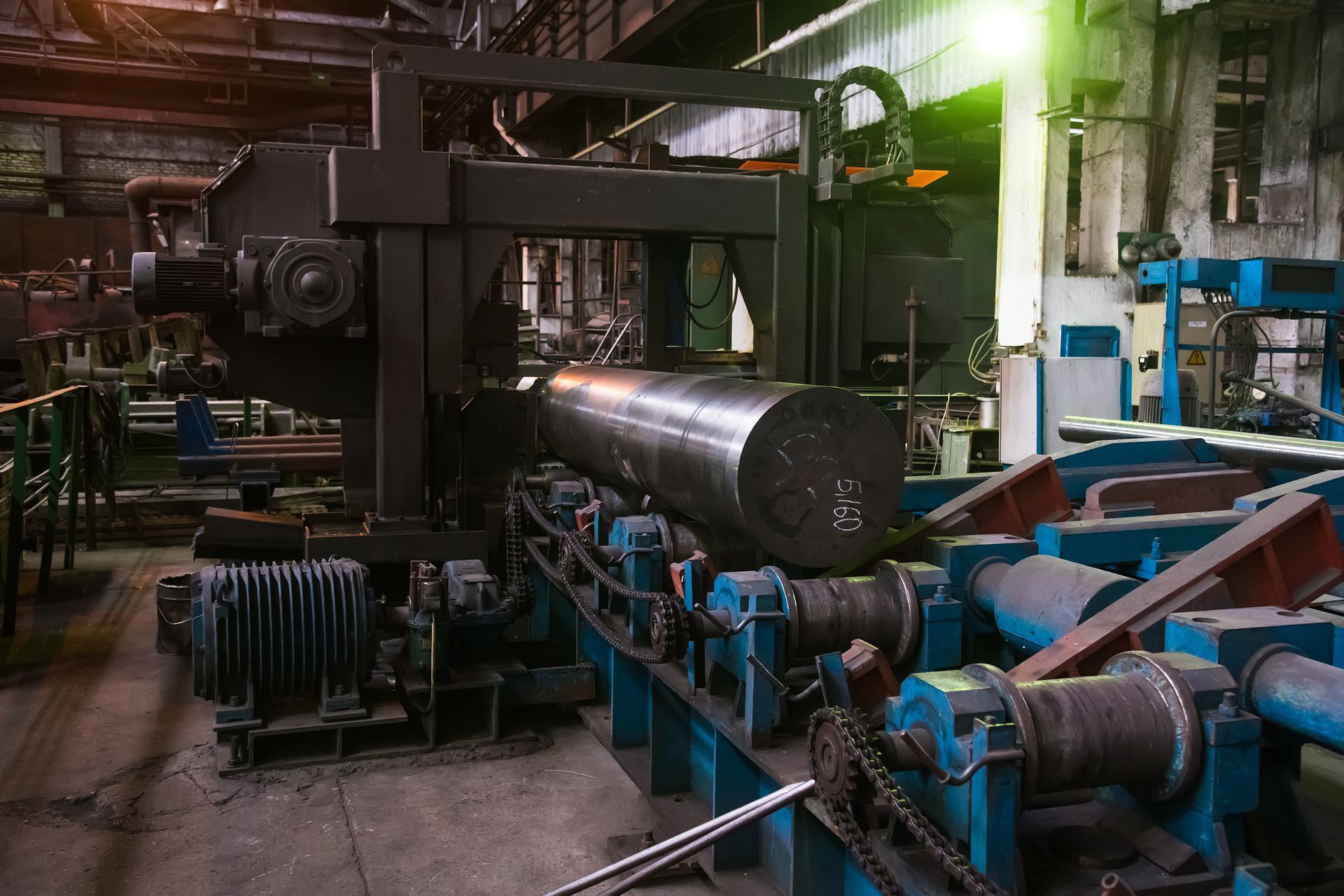
Action Stainless supplies stainless bar, tube, and pipe and supports preparation for downstream manufacturing.
What Processing Services Are Available In-House?
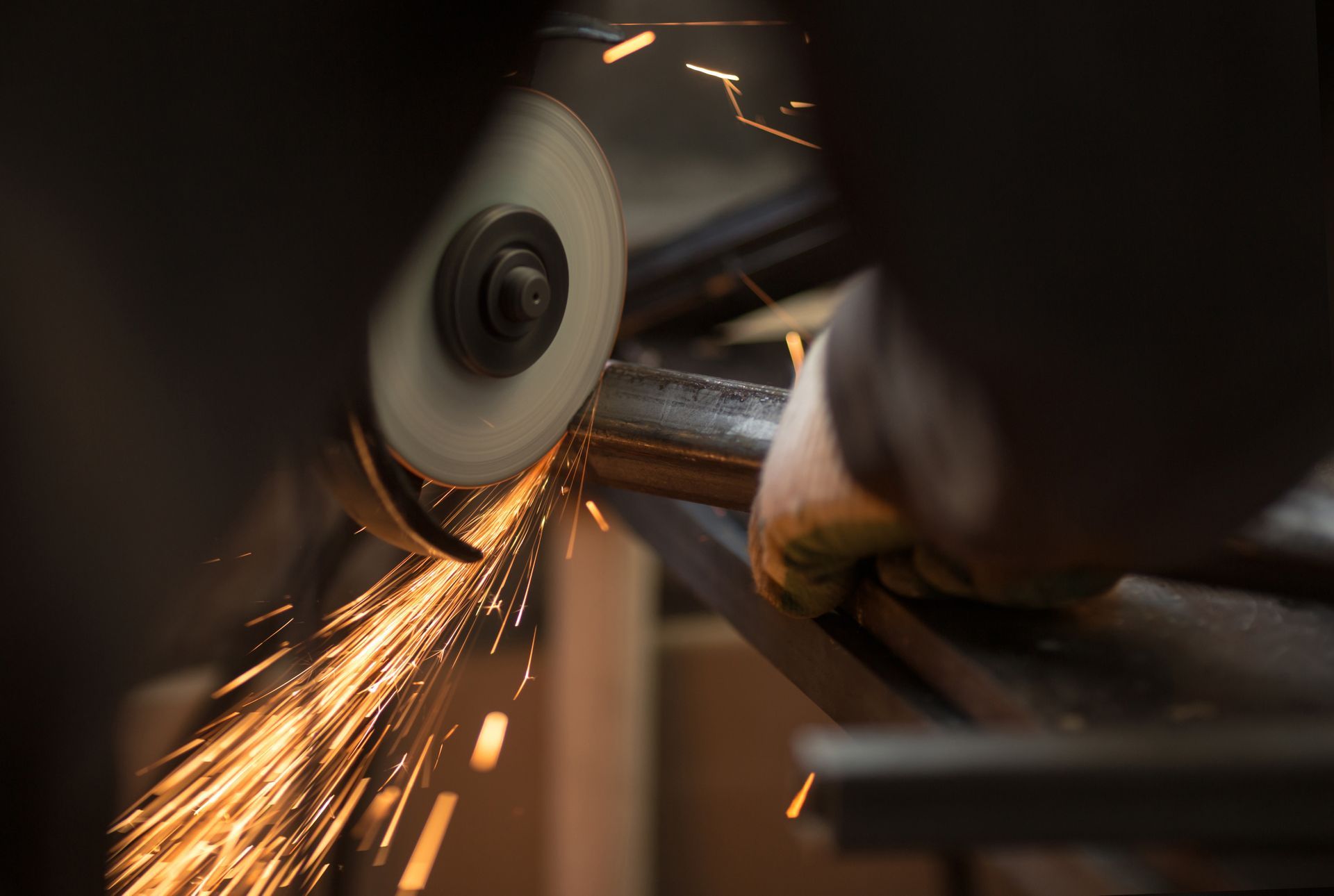
Processing capabilities can significantly affect quality, consistency, and lead time. Using multiple vendors for cutting, grinding, or finishing increases handling risk and coordination complexity.
Engineers should ask:
- Do you offer cutting to length?
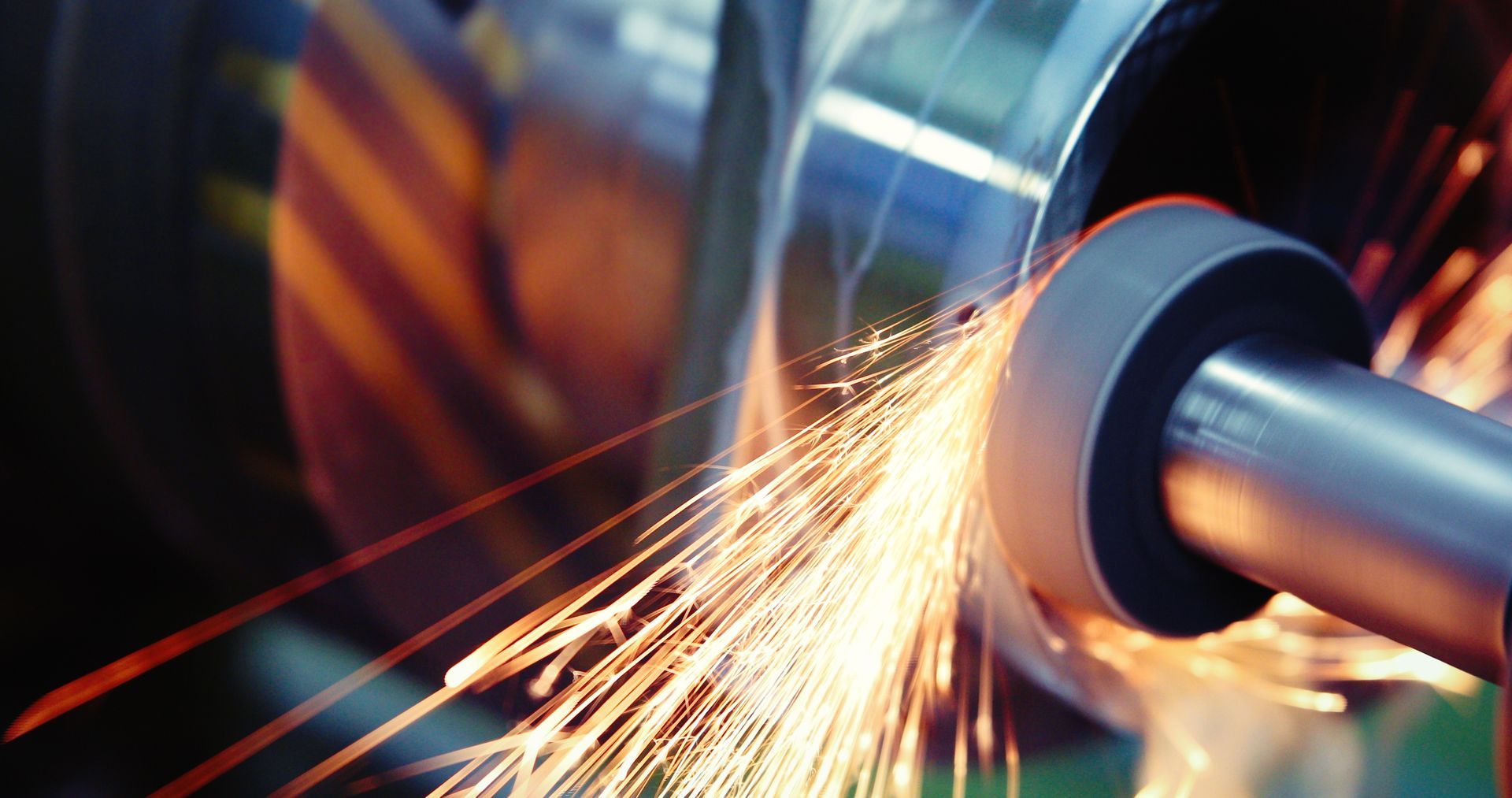
- Is centerless grinding available for OD refinement?
- Are polishing or surface-conditioning services supported?
- Is machining support available when required?
Suppliers with integrated processing capabilities can often deliver more consistent results.
How Do You Handle Material Traceability and Documentation?
Documentation matters, especially for regulated or quality-critical industries. Even when certifications are not contractually required, traceability supports quality control and future audits.
Engineers should confirm:
- Are material certifications available?
- Can grade and heat traceability be maintained?
- Is documentation retained through processing steps?
Action Stainless supplies stainless materials with documentation that supports downstream validation and quality requirements.
How Do You Prevent Cross-Contamination?
Stainless steel is sensitive to contamination from carbon steel tools, grinding dust, or improper handling. Cross-contamination can lead to surface staining or corrosion that appears after installation.
Key questions include:
- Are stainless materials handled separately from carbon steel?
- Are stainless-specific tools or processes used where appropriate?
- Are surfaces cleaned after processing?
Proper handling practices help preserve surface integrity and long-term performance.
What Are Your Quality Control Practices?
Quality control is more than inspection at receipt. It includes how material is measured, processed, and verified throughout preparation.
Engineers may ask:
- How are dimensions verified after processing?
- Are inspections performed during processing steps?
- How are nonconformances addressed?
While suppliers should avoid guaranteeing outcomes, understanding their quality approach helps engineers assess risk.
How Do You Support Application-Specific Requirements?
Different applications place different demands on stainless steel. A supplier should understand how material selection and preparation affect performance.
Questions to ask:
- Do you have experience supporting similar applications?
- Can material be prepared to support machining, welding, or assembly?
- Are surface condition requirements understood?
Early discussion helps align material preparation with end-use needs.
What Lead-Time Factors Should Be Considered?
Rather than asking for guaranteed delivery dates, engineers should ask what factors influence lead time.
These may include:
- Material availability
- Processing requirements
- Order size and complexity
- Documentation needs
Understanding these variables allows better production planning.
How Do You Communicate Changes or Issues?
Clear communication is critical when specifications change or issues arise.
Engineers should ask:
- Who is the primary point of contact?
- How are specification questions handled?
- How are changes documented?
A responsive supplier reduces project risk.
Can You Support Long-Term or Repeat Programs?
For ongoing production, consistency matters more than one-time pricing.
Consider asking:
- Can material consistency be maintained across orders?
- Is there experience supporting repeat programs?
- How are lessons learned carried forward?
Suppliers that understand long-term needs often provide better continuity.
Supplier Evaluation Summary
| Question Area | Why It Matters |
|---|---|
| Grade availability | Ensures correct material performance |
| Product forms | Supports design requirements |
| Processing services | Improves consistency and efficiency |
| Documentation | Supports traceability and audits |
| Handling practices | Prevents surface contamination |
| Quality control | Reduces downstream risk |
| Application support | Aligns material with end use |
| Communication | Prevents delays and confusion |
Why Asking These Questions Early Matters
Many stainless steel issues originate not from material failure, but from misalignment between design intent and supplier capability. Asking these questions early helps engineers avoid rework, delays, and performance concerns later in the project.
Action Stainless works with engineers and procurement teams to align material selection, processing, and documentation with application requirements supporting informed decisions rather than assumptions.
Conclusion
Choosing a stainless steel supplier is about more than cost and availability. The right questions help engineers confirm capability, reduce risk, and ensure material supports both manufacturing and performance requirements. A structured supplier checklist provides clarity before orders are placed and expectations are set.
Contact us to discuss stainless steel sourcing, processing capabilities, or questions related to your application.
FAQs: Working With Stainless Steel Suppliers
Should engineers be involved in supplier selection?
Yes. Engineering input helps ensure material and processing align with application needs.
Is documentation always required?
Not always, but traceability supports quality and future validation.
Do all suppliers offer processing services?
No. Capabilities vary widely.
Why does handling matter for stainless steel?
Improper handling can introduce contamination that affects surface condition.
Does Action Stainless support engineered applications?
Yes. Action Stainless supplies stainless materials and processing support for a range of industrial applications.