
Troubleshooting Stainless Steel After Fabrication: Heat Tint, Discoloration, and Surface Defects Explained
After fabrication, stainless steel does not always look the way engineers or fabricators expect. Heat tint, discoloration, surface staining, and visual defects are common concerns, especially after welding, cutting, or forming. These issues often raise questions about corrosion resistance, material quality, and whether the stainless steel has been compromised.
In most cases, post-fabrication discoloration does not indicate a failure of the material. Instead, it reflects changes to the surface condition that occur during processing. Understanding why these issues appear and what they mean helps teams determine whether corrective action is required or whether the material will still perform as intended.
At
Action Stainless, stainless steel is supplied and processed for industrial applications where surface condition and long-term performance matter. This guide explains the most common post-fabrication surface issues, what causes them, and how to evaluate their impact.
Why Stainless Steel Changes Appearance After Fabrication
Stainless steel resists corrosion through a thin chromium oxide layer that forms naturally on the surface. Fabrication processes such as welding, cutting, grinding, and forming can temporarily disrupt this surface layer or alter the oxide thickness. When that happens, visible changes may occur.
These changes are usually surface-level and do not automatically mean the stainless steel has lost corrosion resistance. The key is identifying
what type of discoloration or defect is present and what caused it.
Heat Tint: The Most Common Post-Weld Issue
Heat tint appears as blue, purple, gold, or brown discoloration near welds or heat-affected zones. It forms when high temperatures cause the surface oxide layer to thicken unevenly.
Heat tint:
- Is caused by exposure to oxygen at elevated temperatures
- Appears after welding or thermal cutting
- Is a surface phenomenon, not internal damage
While heat tint itself is not rust, it indicates that the protective oxide layer has changed. In corrosive environments, this altered surface may be more susceptible to corrosion if not addressed.
Discoloration After Cutting or Grinding
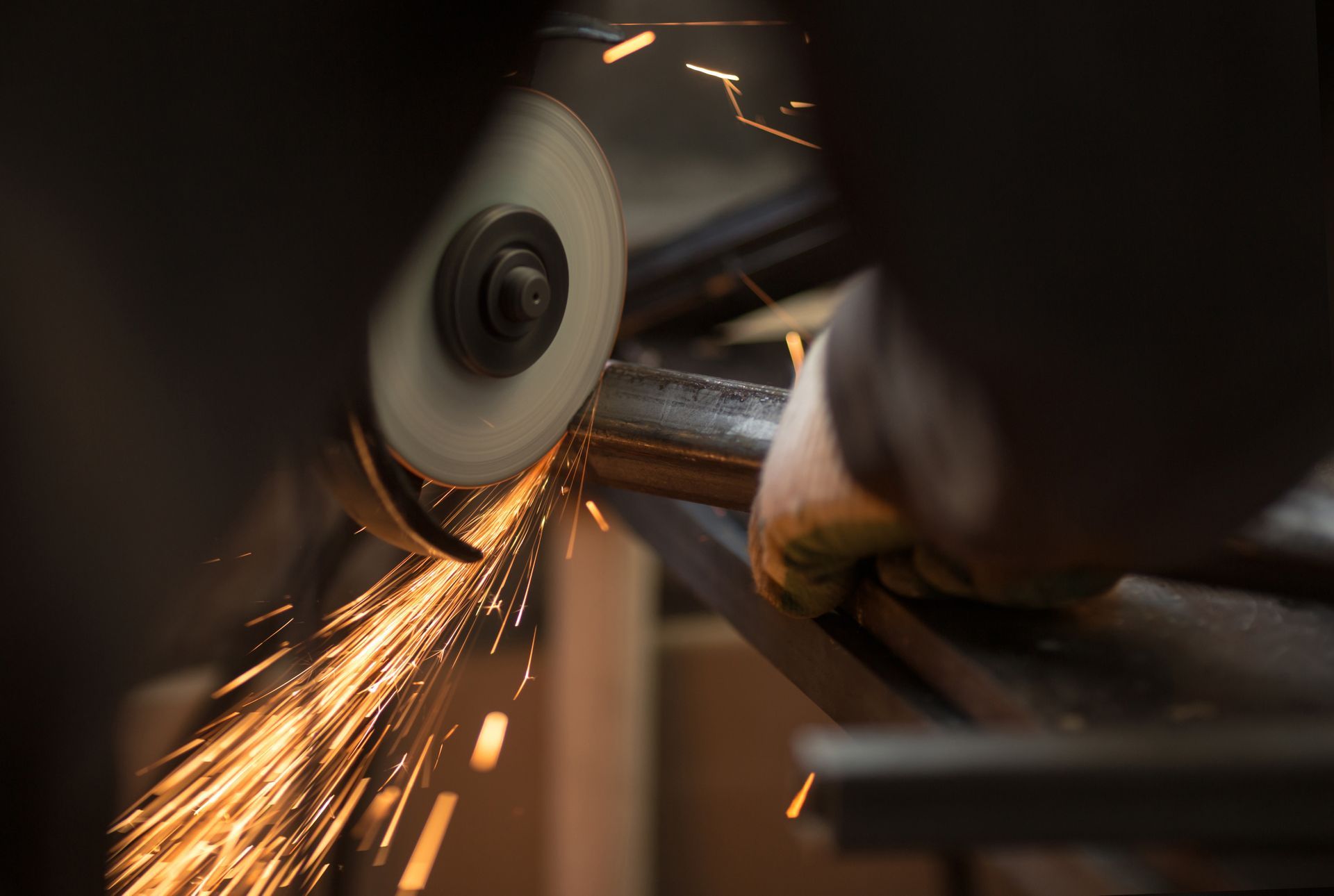
Discoloration can also appear after mechanical processing such as sawing, grinding, or abrasive cutting. This may show up as dark streaks, smudges, or localized color changes.
Common causes include:
- Heat buildup during grinding
- Transfer of carbon steel particles
- Residue from cutting fluids or abrasives
- Localized surface oxidation
This type of discoloration is often cosmetic but should be evaluated if the part will be used in a corrosion-sensitive environment.
Surface Staining vs True Corrosion
Not all discoloration on stainless steel is corrosion. Surface staining is often mistaken for rust.
Surface staining may be caused by:
- Iron contamination from nearby carbon steel
- Handling residue
- Environmental exposure
- Fabrication debris
True corrosion typically involves pitting, surface breakdown, or material loss. Staining, by contrast, is often removable and does not reflect degradation of the base metal.
Common Surface Defects After Fabrication
Beyond discoloration, stainless steel may show visible surface defects after fabrication. These do not always affect performance, but they should be understood.
Scratches and Abrasion Marks
Often caused by handling, fixturing, or tooling. These are typically cosmetic unless they create deep grooves or crevices.
Grinding Marks
Result from aggressive grinding or incorrect abrasive selection. These may affect cleanability or appearance.
Weld Spatter
Small metal droplets from welding can adhere to nearby surfaces, creating rough spots or discoloration.
Embedded Particles
Foreign material embedded in the surface can lead to staining or localized corrosion.
How Fabrication Practices Influence Surface Condition
Surface quality after fabrication is strongly influenced by process control. Factors include:
- Heat input during welding
- Tool cleanliness
- Abrasive selection
- Material handling
- Cleaning procedures
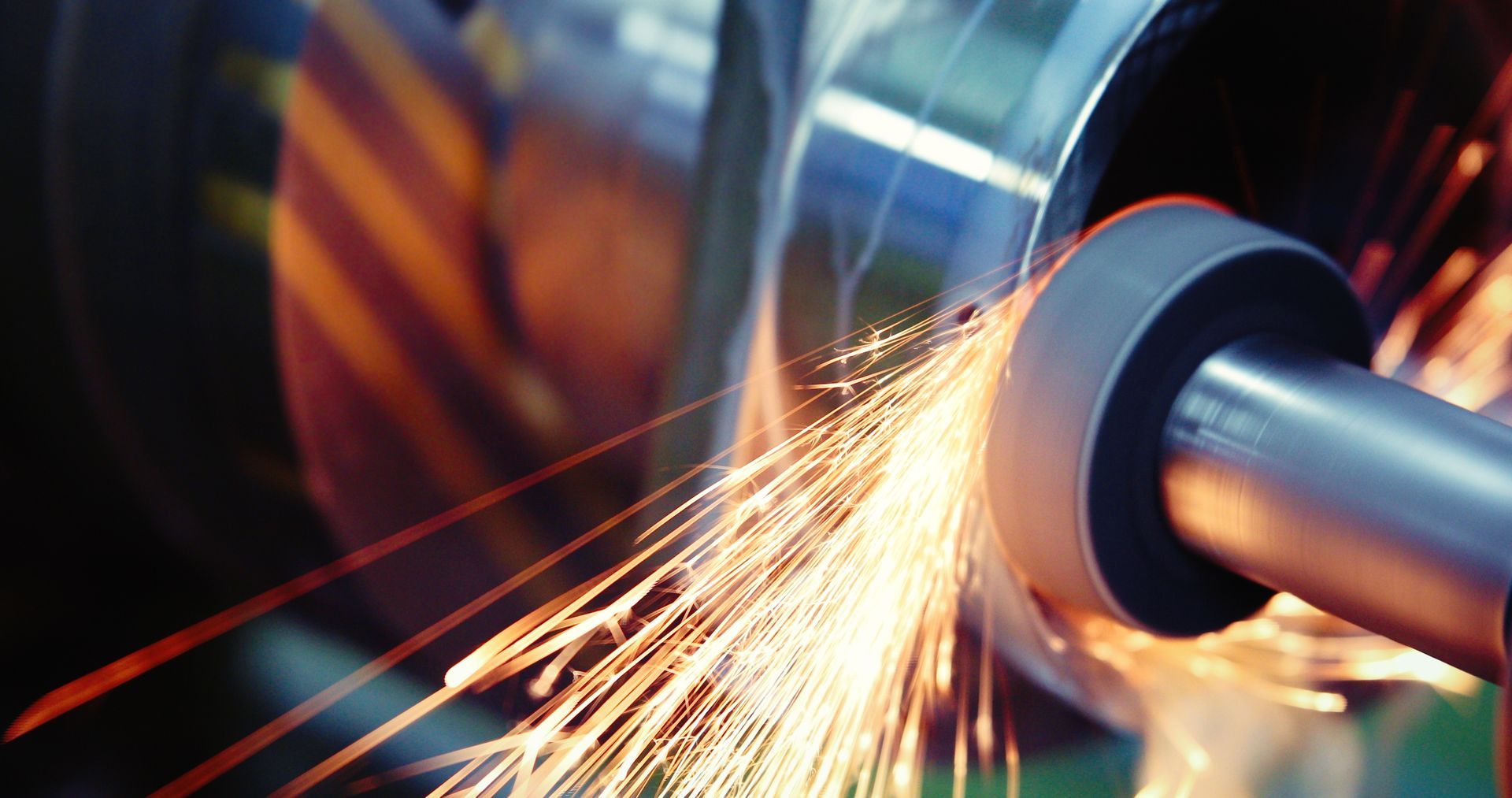
Operations such as cutting, centerless grinding, and polishing when done correctly, do not inherently damage stainless steel. Issues arise when contamination or excessive heat is introduced.
Action Stainless supports stainless steel processing with attention to handling practices that help preserve surface integrity during cutting and grinding operations.
Evaluating Whether Corrective Action Is Needed
Not every visual defect requires correction. The decision depends on how and where the stainless steel will be used.
Consider:
- Will the part be exposed to corrosive environments?
- Is appearance critical?
- Does the surface need to meet cleanability standards?
- Are there regulatory or industry requirements?
In structural or non-corrosive environments, cosmetic discoloration may have no impact on performance. In food, chemical, or marine applications, surface condition may require further attention.
Common Causes and Their Implications
| Issue | Typical Cause | Performance Impact |
|---|---|---|
| Heat tint | Welding heat exposure | May affect corrosion resistance |
| Surface staining | Iron contamination | Often cosmetic |
| Grinding discoloration | Heat or abrasive residue | Usually surface-level |
| Scratches | Handling or tooling | Cosmetic unless deep |
| Weld spatter | Welding process | May affect surface smoothness |
This table helps distinguish appearance issues from functional concerns.
Preventing Surface Issues During Fabrication
Many post-fabrication issues can be reduced through preventive practices:
- Control heat input during welding
- Use stainless-only tools where possible
- Avoid cross-contamination
- Clean surfaces after processing
- Handle material carefully during transport
Prevention is often more efficient than correction.
Why These Issues Are Often Misinterpreted
Because stainless steel is associated with corrosion resistance, any visual change can raise alarm. In reality, stainless steel can show discoloration without losing structural integrity or corrosion performance.
Understanding the difference between
appearance
changes and
material
degradation helps teams respond appropriately rather than overcorrecting or scrapping usable material.
Conclusion
Stainless steel discoloration after fabrication is common and usually surface-related. Heat tint, staining, and minor surface defects do not automatically indicate material failure. By understanding the causes and evaluating application requirements, engineers and fabricators can determine when corrective action is needed and when the material will perform as intended.
Contact us to discuss stainless steel processing considerations or questions related to surface condition after fabrication.
FAQs: Stainless Steel Discoloration After Fabrication
Is heat tint rust?
No. Heat tint is oxidation caused by heat exposure, not rust.
Does discoloration mean stainless steel is damaged?
Not necessarily. Many discolorations are cosmetic or surface-level.
Can grinding cause stainless steel to discolor?
Yes, especially if excessive heat or contamination is involved.
Is surface staining the same as corrosion?
No. Staining is often removable and does not involve material loss.
Does Action Stainless help with surface-sensitive applications?
Yes. Action Stainless supplies and processes stainless steel with attention to surface condition requirements.