
Can Stainless Steel Be Recycled Without Losing Strength?
Sustainability is an increasingly important consideration in material selection, especially for manufacturers focused on long-term performance and responsible sourcing. One common question engineers and procurement teams ask is: can stainless steel be recycled without losing strength? The answer is yes, stainless steel can be recycled repeatedly without degrading its core mechanical properties, when properly processed.
Unlike some materials that weaken or lose integrity after recycling, stainless steel maintains its performance because of its metallurgical structure and alloy chemistry. Understanding how stainless steel recycling works helps buyers make informed decisions about sustainability without compromising strength or durability.
At
Action Stainless, stainless steel is supplied for industrial applications where long service life and material consistency matter. This article explains how stainless steel recycling works, why strength is preserved, and what recycling means for real-world applications.
Why Stainless Steel Is Highly Recyclable
Stainless steel is an alloy made primarily of iron, chromium, and other elements such as nickel and molybdenum, depending on grade. These elements do not degrade during melting and reprocessing. When stainless steel is recycled, it is melted down and refined into new material with controlled chemistry.
Because the alloying elements remain intact and are carefully balanced during remelting, recycled stainless steel can meet the same specifications as newly produced material. This makes stainless steel fundamentally different from materials that rely on coatings or surface treatments for performance.
Does Recycling Reduce Strength or Corrosion Resistance?
A common misconception is that recycled metal is weaker than newly produced metal. In the case of stainless steel, this is not true when the recycling process is properly controlled.
Recycled stainless steel:
- Retains its alloy chemistry
- Maintains mechanical strength
- Preserves corrosion resistance
- Meets the same material standards as primary material
Strength and corrosion performance are determined by final composition and processing, not by whether the raw material originated from recycled or virgin sources.
How Stainless Steel Recycling Works
The recycling process for stainless steel involves several steps:
- Collection and sorting - Stainless steel scrap is separated by alloy type.
- Melting - Scrap is melted in a controlled furnace environment.
- Refining - Alloying elements are adjusted to meet required specifications.
- Casting and forming - The refined metal is cast and processed into new products.
Throughout this process, chemistry is monitored to ensure the final material meets required standards. This control is why recycled stainless steel can be used in critical applications without loss of performance.
Why Stainless Steel Can Be Recycled Repeatedly
Unlike plastics or composite materials, stainless steel does not suffer from molecular breakdown during recycling. Its metallic structure allows it to be melted and re-solidified without loss of fundamental properties.
This means stainless steel can be recycled multiple times and still perform as intended. In many cases, stainless steel products contain a significant amount of recycled content, even when used in demanding industrial environments.
Recycled Stainless Steel in Industrial Applications
Recycled stainless steel is widely used across industries, including:
- Food and beverage processing
- Chemical handling
- Water and wastewater systems
- Structural and architectural applications
- Industrial machinery
In these environments, strength, corrosion resistance, and durability are critical. The continued use of recycled stainless steel in such applications demonstrates that recycling does not compromise performance.
Action Stainless supplies stainless steel bar, tube, and pipe used in applications where material consistency and reliability are required, regardless of recycled content.
Recycling and Sustainability Benefits
While performance is preserved, recycling stainless steel offers environmental benefits. Recycling reduces the need for raw material extraction and lowers overall material waste. Because stainless steel has a long service life and high recyclability, it contributes to more efficient material use over time.
Importantly, sustainability benefits are achieved
without sacrificing mechanical or corrosion performance, making stainless steel a practical choice for both performance-driven and sustainability-conscious projects.
Recycled vs Virgin Stainless Steel
| Factor | Recycled Stainless Steel | Virgin Stainless Steel |
|---|---|---|
| Strength | Maintained | Maintained |
| Corrosion Resistance | Maintained | Maintained |
| Alloy Control | Controlled during refining | Controlled during production |
| Application Suitability | Industrial and critical uses | Industrial and critical uses |
| Environmental Impact | Reduced raw material demand | Higher raw material demand |
From a performance standpoint, both materials are equivalent when produced to specification.
Does Recycling Affect Machining or Fabrication?
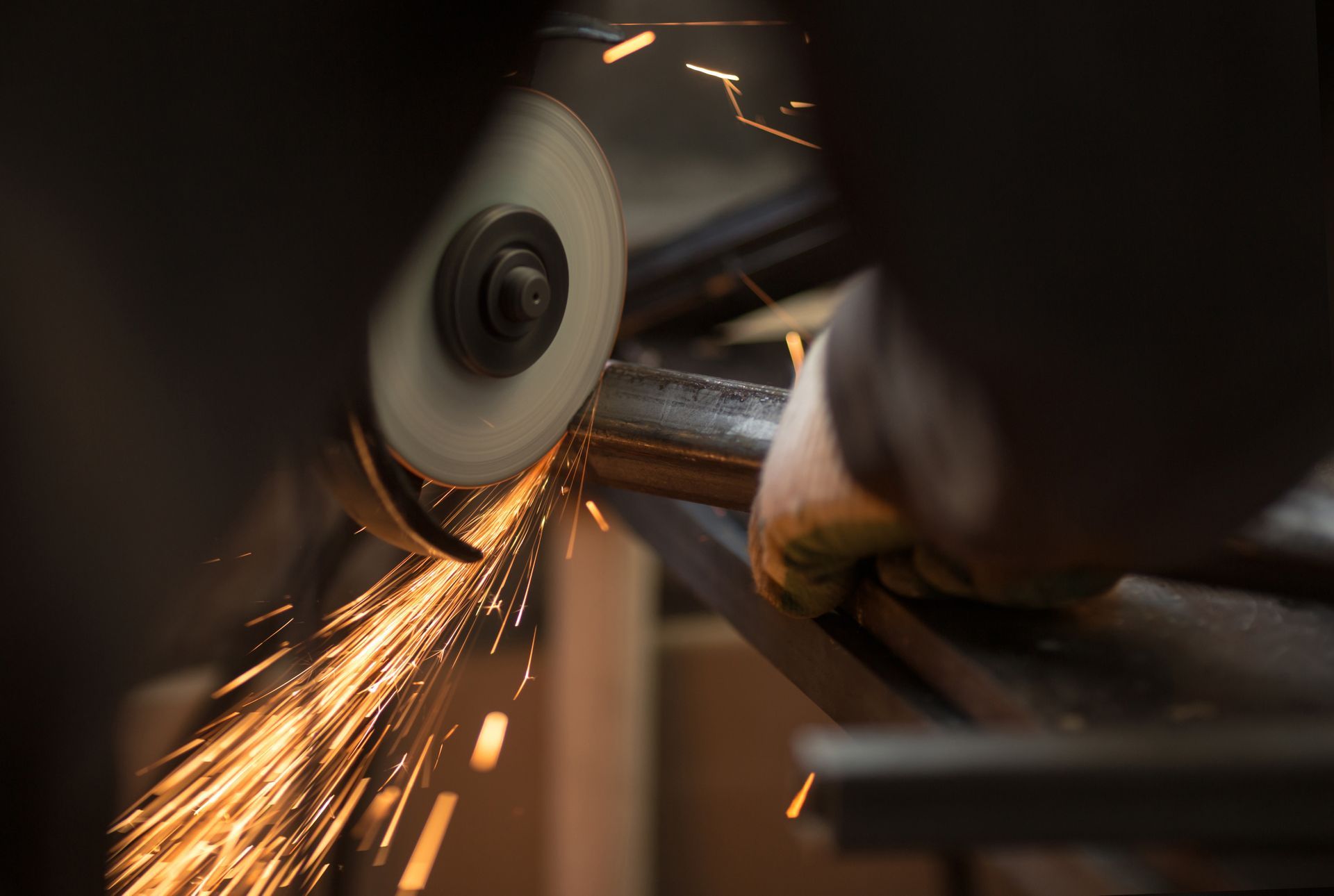
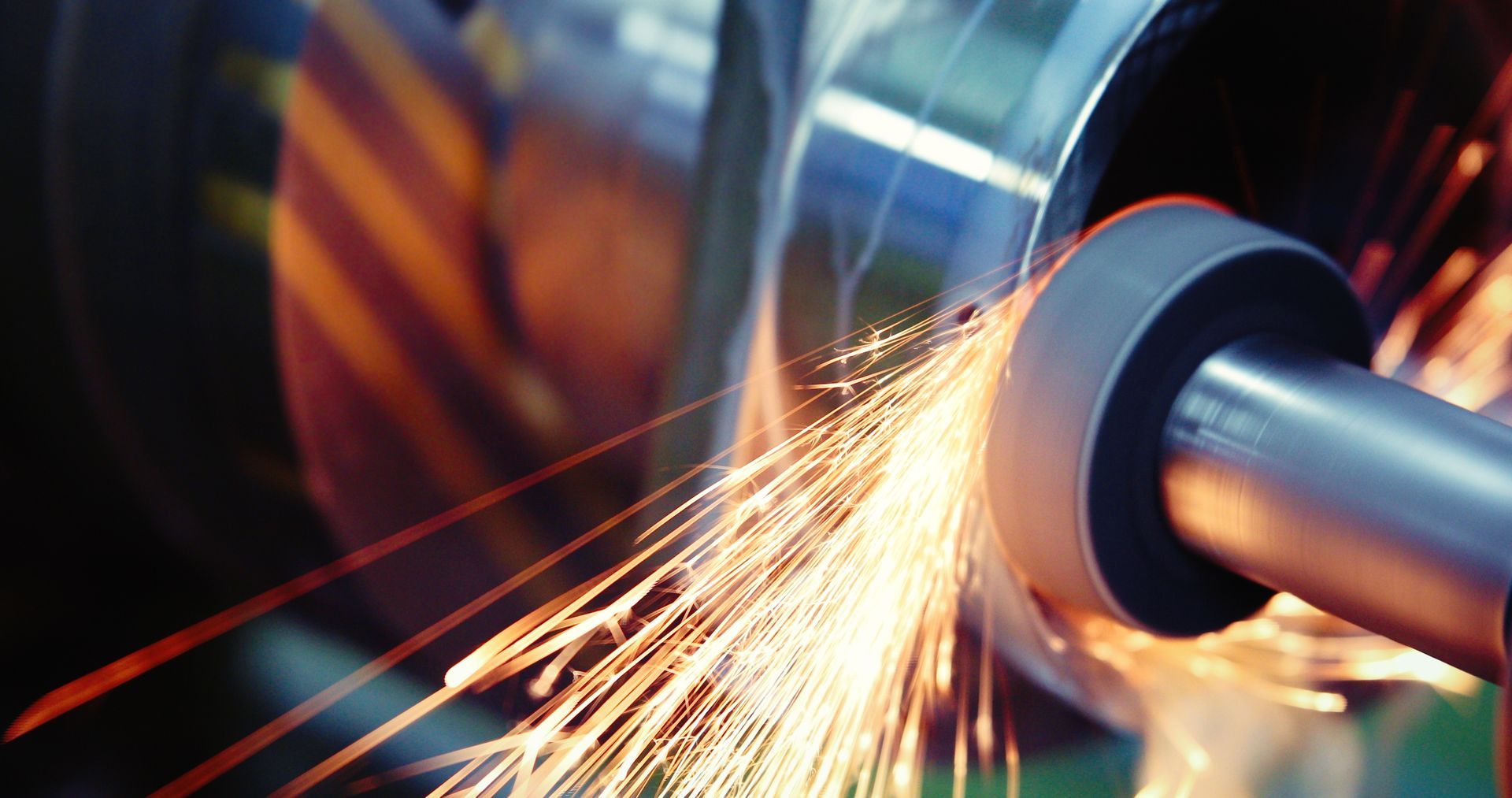
Recycled stainless steel behaves the same as non-recycled stainless steel during fabrication. Cutting, machining, centerless grinding, and polishing are not affected by whether the material originated from recycled or virgin sources.
What matters is:
- Final alloy composition
- Heat treatment
- Surface condition
Action Stainless processes stainless steel through cutting, centerless grinding, and polishing based on material grade and application requirements, not recycled content.
Traceability and Documentation
For many applications, particularly regulated or industrial environments, traceability matters. Recycled stainless steel can still be supplied with proper material documentation, confirming grade and composition.
Recycling does not eliminate traceability, it simply changes the source of the raw input material.
Common Misconceptions About Stainless Steel Recycling
Several myths persist:
- “Recycled stainless is weaker” – False when properly processed
- “Recycled steel rusts faster” – False; corrosion resistance depends on grade
- “Only low-grade products use recycled steel” – Incorrect; many high-performance products use recycled content
Understanding these facts helps buyers make confident decisions.
Conclusion
Stainless steel can be recycled without losing strength or corrosion resistance because its alloy chemistry and structure are preserved during remelting and refining. Recycling does not compromise performance, making stainless steel a durable, reliable, and sustainable material choice for industrial applications. By selecting stainless steel, manufacturers can support sustainability goals while maintaining the mechanical and corrosion properties required for long service life.
Contact us to discuss stainless steel material options or sourcing considerations for your application.
FAQs: Stainless Steel Recycling
Can stainless steel be recycled multiple times?
Yes. Stainless steel can be recycled repeatedly without losing performance.
Does recycled stainless steel meet industry standards?
Yes, when properly refined and documented.
Is recycled stainless steel weaker than new stainless steel?
No. Strength depends on final composition, not material origin.
Does recycled stainless steel rust more easily?
No. Corrosion resistance depends on grade and environment.
Does Action Stainless supply recyclable stainless steel?
Yes. Stainless steel supplied by Action Stainless is fully recyclable.