
Is Stainless Steel FDA and NSF Compliant for Food Contact? A Specifier’s Checklist
Stainless steel is widely used in food and beverage processing, but questions around FDA and NSF compliance are often misunderstood. Many assume stainless steel is automatically “FDA approved” or “NSF certified,” but compliance does not work that way. In reality, regulatory compliance depends on how stainless steel is specified, fabricated, finished, and used, not simply on the alloy itself.
For engineers, designers, and procurement teams, understanding this distinction is critical. Misunderstanding compliance requirements can lead to design changes, audit issues, or rework. This article explains how FDA and NSF requirements relate to stainless steel and provides a practical checklist to help specifiers evaluate stainless steel for food-contact applications.
At
Action Stainless, stainless steel is supplied for a wide range of industrial uses, including food and beverage systems. While compliance ultimately applies to finished equipment and systems, proper material selection is a foundational step.
What FDA and NSF Actually Regulate
The FDA (Food and Drug Administration) regulates materials and equipment that come into contact with food to ensure they do not introduce harmful substances. The FDA does not approve or certify raw metals such as stainless steel bar, tube, or pipe. Instead, it regulates how materials are used within food-contact systems.
NSF (formerly the National Sanitation Foundation) develops standards for food-processing equipment, components, and systems. NSF certification applies to finished equipment designs, not to raw stainless steel stock. Stainless components may be used in NSF-certified equipment, but the certification applies to the system as a whole.
The key point is simple:
stainless steel itself is not “FDA approved” or “NSF certified” by default.
Why Stainless Steel Is Common in Food-Contact Applications
Stainless steel is commonly used in food-contact environments because, when properly specified, it supports hygienic design. Its corrosion resistance, durability, and ability to be cleaned repeatedly make it suitable for food-processing equipment.
However, these benefits depend on:
- Proper stainless steel grade selection
- Surface finish quality
- Fabrication practices
- Cleaning and maintenance conditions
Using stainless steel incorrectly can still result in sanitation or compliance concerns.
Specifier’s Checklist for Food-Contact Stainless Steel
The following checklist outlines key considerations when specifying stainless steel for food-contact applications.
1. Select the Appropriate Stainless Steel GradeCorrosion
Different stainless steel grades perform differently in food environments. Grade selection should consider moisture exposure, cleaning chemicals, and operating conditions.
Common considerations include:
- 304 stainless steel for general food-processing environments
- 316 stainless steel where additional resistance to chlorides or aggressive cleaners is required
Using a grade that is not suited to the environment can lead to surface degradation that affects cleanability.
2. Specify a Cleanable Surface Finish
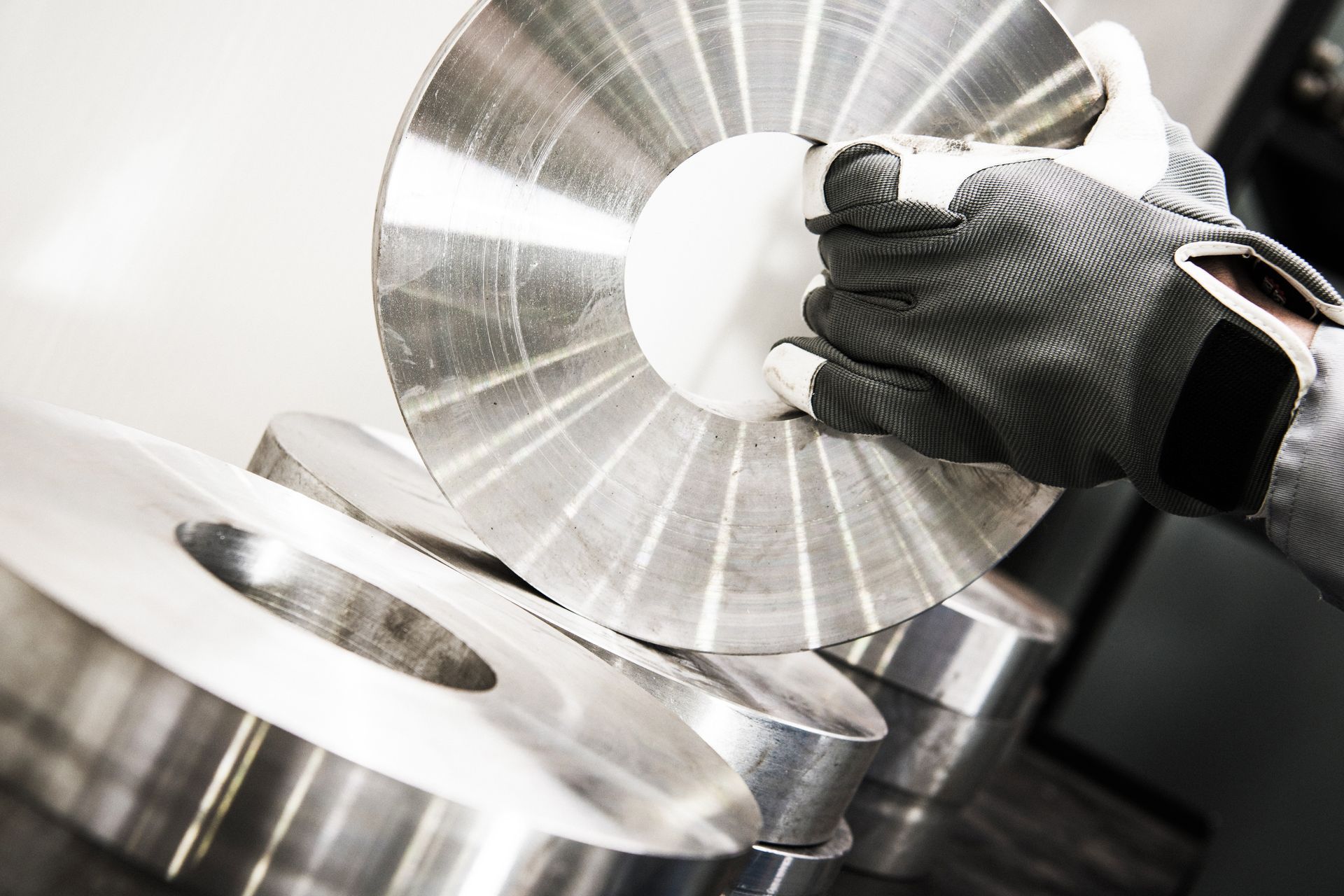
Surface finish is one of the most important factors in food-contact compliance. Rough or irregular surfaces can trap food residue and bacteria, regardless of alloy choice.
Specifiers should ensure:
- Smooth, uniform surface finishes
- No unnecessary crevices or sharp transitions
- Compatibility with sanitation procedures
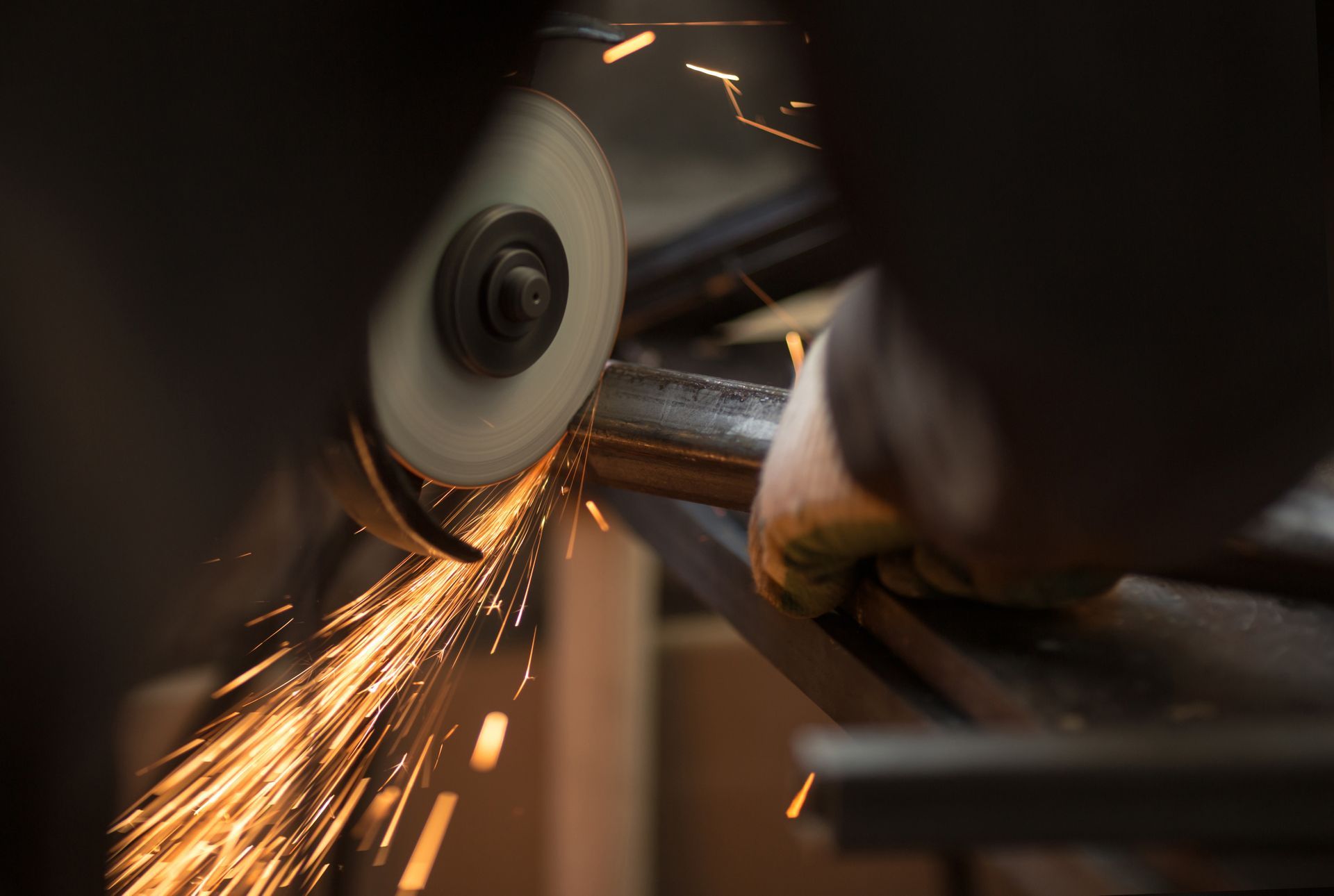
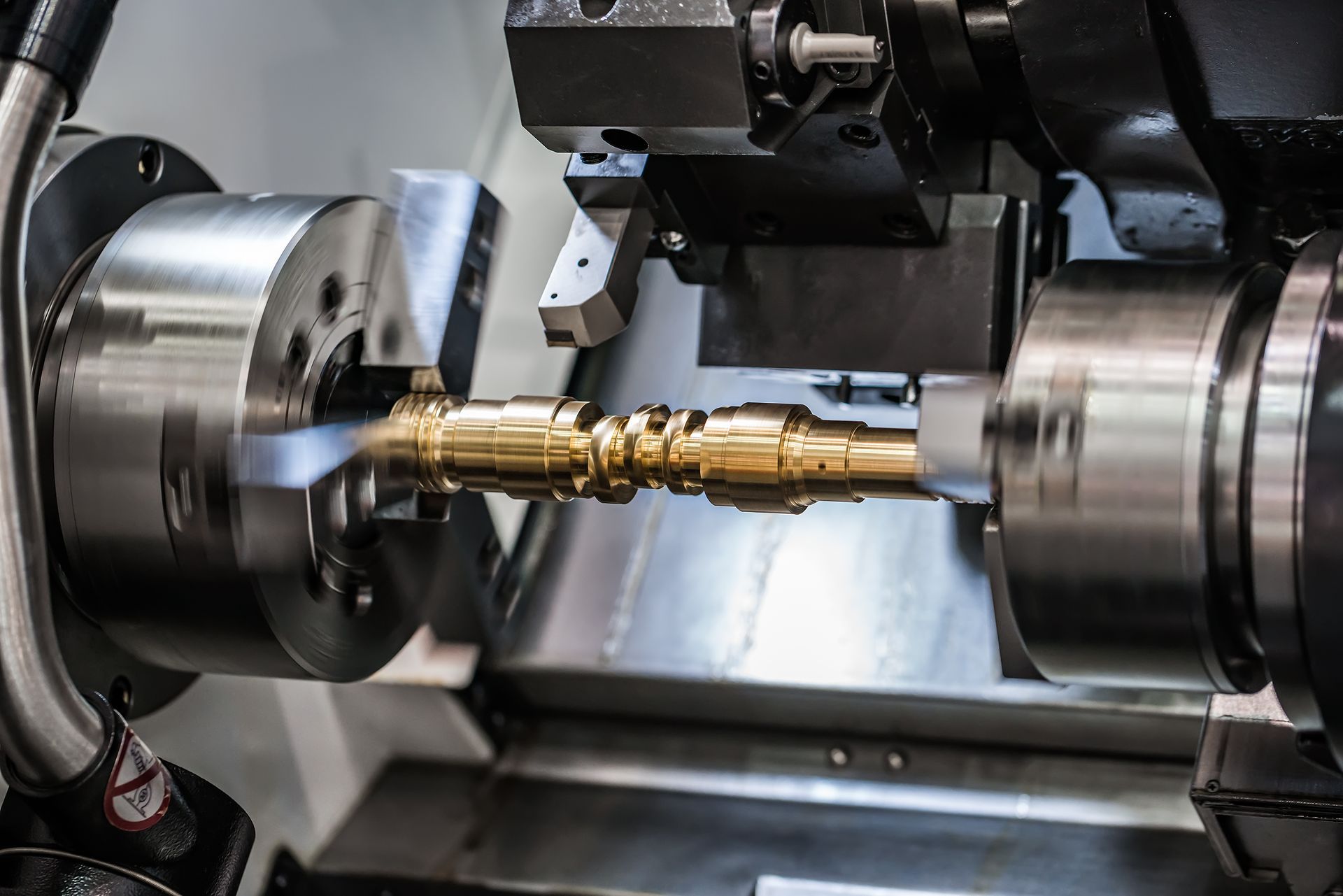
Action Stainless supports processing such as cutting, centerless grinding, and polishing, which can help achieve surface conditions required by the application when specified.
3. Avoid Coatings or Treatments That Could Contaminate Food
Bare stainless steel is preferred in food-contact applications because its corrosion resistance is inherent to the alloy. Coatings or surface treatments should be evaluated carefully, as they may degrade, flake, or introduce contaminants.
Any additional treatments must be assessed at the equipment level for food-contact suitability.
4. Ensure Proper Fabrication and Welding Practices
Fabrication quality directly impacts hygienic performance. Poor welds, incomplete finishing, or inaccessible joints can create sanitation risks.
Considerations include:
- Smooth, finished welds
- Properly blended weld zones
- Elimination of dead spaces and crevices
Compliance depends as much on fabrication quality as on material selection.
5. Prevent Cross-Contamination During Processing
Stainless steel can be contaminated by carbon steel tools, grinding dust, or improper handling. This contamination can lead to surface staining or corrosion that appears as rust.
Best practices include:
- Using stainless-only tools where possible
- Maintaining clean fabrication areas
- Proper cleaning after processing
6. Confirm Documentation and Traceability
While stainless steel itself is not FDA or NSF certified, documentation supports compliance efforts. Material certifications help confirm alloy composition and traceability.
Specifiers should confirm:
- Material grade documentation is available
- Traceability is maintained
- Processing history is understood
Action Stainless supplies stainless materials with documentation that supports downstream validation.
7. Remember Compliance Is a System-Level Responsibility
FDA and NSF compliance applies to the finished equipment or system, not to raw material alone. Stainless steel is only one component of a larger compliance framework that includes design, fabrication, installation, and maintenance. Specifiers should ensure:
- Equipment design supports cleanability
- All components align with applicable standards
- Compliance is verified at the system level
Common Misconceptions to Avoid
Several misconceptions frequently cause confusion:
- “This stainless steel is FDA approved” – FDA does not approve raw metals.
- “NSF-certified stainless steel” – NSF certifies equipment, not metal stock.
- “Any stainless works for food contact” – Grade and finish matter.
Avoiding these assumptions helps prevent compliance issues later in the project.
Why Early Specification Matters
Most food-contact compliance issues originate during design and material selection. Choosing the right stainless steel grade and surface finish early reduces the risk of sanitation problems, redesigns, or audit findings.
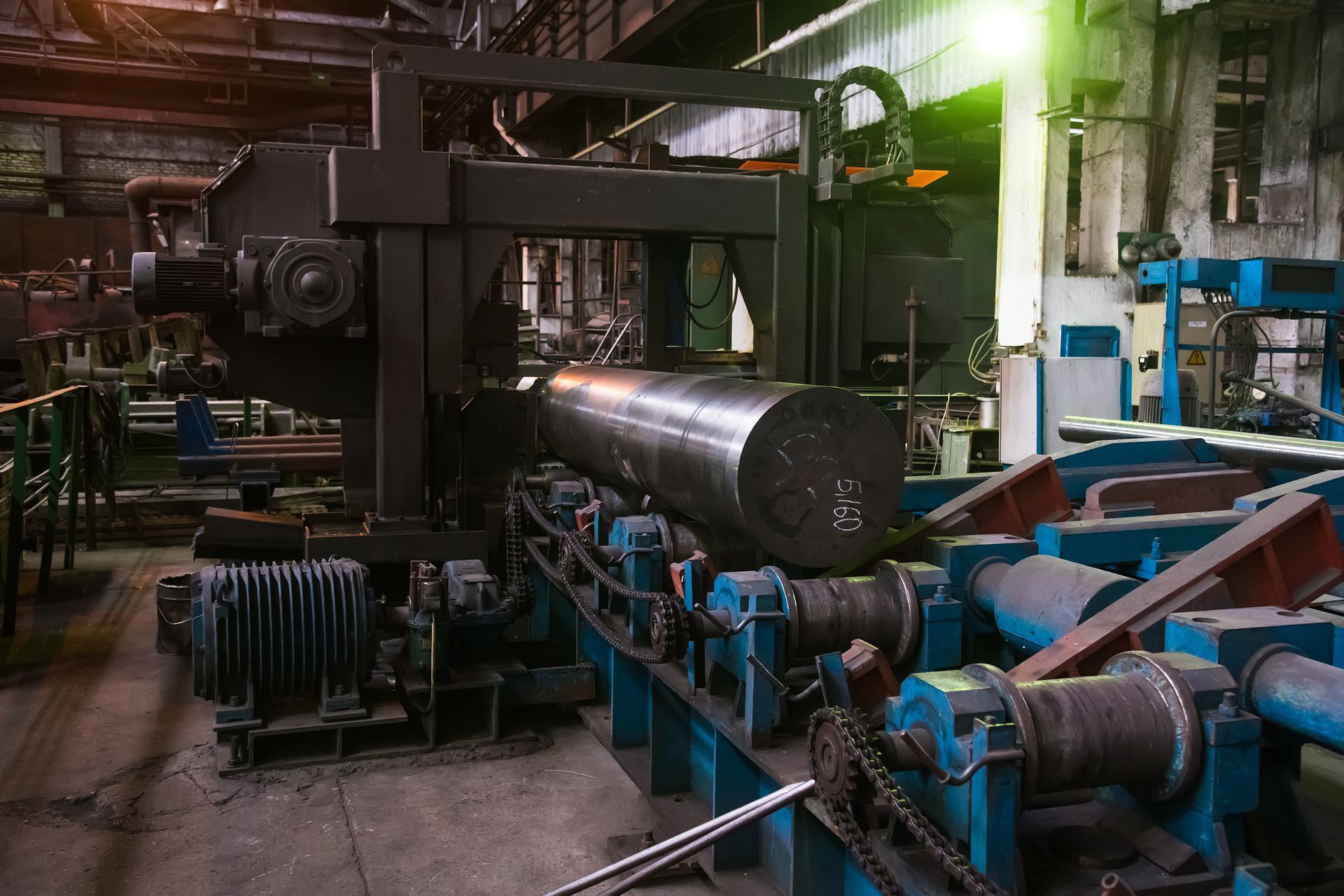
Action Stainless supports customers by supplying stainless bar, tube, and pipe suitable for food and beverage applications, along with processing services that align with hygienic design requirements when specified.
Conclusion
Stainless steel can be suitable for food-contact applications when properly specified, fabricated, and maintained. FDA and NSF compliance is not inherent to the metal itself, but depends on grade selection, surface condition, fabrication quality, and system-level validation. A checklist-based approach helps specifiers ensure stainless steel components support regulatory expectations and long-term performance.
Contact us to discuss stainless steel selection and processing considerations for food-contact applications.