
How Stainless Steel Performs in High-Pressure Applications
Stainless steel is widely used in high-pressure industrial systems because of its strength, corrosion resistance, and structural stability. From pressure vessels and piping systems to hydraulic components and energy infrastructure, material selection plays a critical role in safety and performance.
When evaluating stainless steel for high-pressure applications, engineers must consider mechanical strength, temperature exposure, corrosion environment, and applicable industry standards.
At Action Stainless, stainless steel plate, bar, and other forms are supplied for industrial and energy-related applications. Understanding how stainless steel behaves under pressure helps ensure material selection aligns with system requirements.
What Determines Pressure Performance?
A material’s ability to perform in high-pressure environments depends on several factors. Yield strength determines how much stress the material can withstand before permanent deformation occurs. Tensile strength indicates the maximum stress the material can handle before failure.
Wall thickness and component geometry also directly affect allowable pressure levels. Operating temperature plays an important role. As temperature increases, material strength may decrease.
Because pressure performance depends on system design and code compliance, engineers typically reference applicable standards such as ASME Boiler and Pressure Vessel Code when designing pressure-containing components.
Stainless steel provides a combination of strength and corrosion resistance that makes it suitable for many such systems.
Common Stainless Steel Grades Used in High-Pressure Applications
Several stainless steel grades are commonly selected for pressure-related applications.
304 / 304L Stainless Steel
304 is widely used due to its corrosion resistance and good mechanical properties. It is often selected for moderate pressure environments where exposure to corrosive media is limited.
304L, with lower carbon content, improves weldability and reduces risk of sensitization in welded components.
316 / 316L Stainless Steel
316 stainless steel contains molybdenum, which enhances corrosion resistance in chloride-containing environments.
For high-pressure systems exposed to saltwater, chemicals, or aggressive fluids, 316 is often preferred over 304.
316L offers improved weld performance similar to 304L.
17-4 PH Stainless Steel
For applications requiring higher strength, 17-4 precipitation-hardening stainless steel may be selected.
It provides significantly higher yield strength compared to austenitic grades like 304 and 316, making it suitable for certain high-pressure shafts or components where strength is a primary concern.
Grade selection must balance corrosion resistance and mechanical requirements.
Strength Comparison Overview
Below is a general comparison of mechanical characteristics (values vary by condition and processing).
| Grade | Corrosion Resistance | Relative Strength | Typical Use in Pressure Systems |
|---|---|---|---|
| 304 | Very Good | Moderate | General pressure piping |
| 316 | Excellent (chloride environments) | Moderate | Chemical & marine pressure systems |
| 17-4 PH | Good | High | High-strength shafts and components |
Actual allowable pressure depends on thickness, temperature, fabrication method, and governing codes.
Stainless Steel in Pressure Vessels
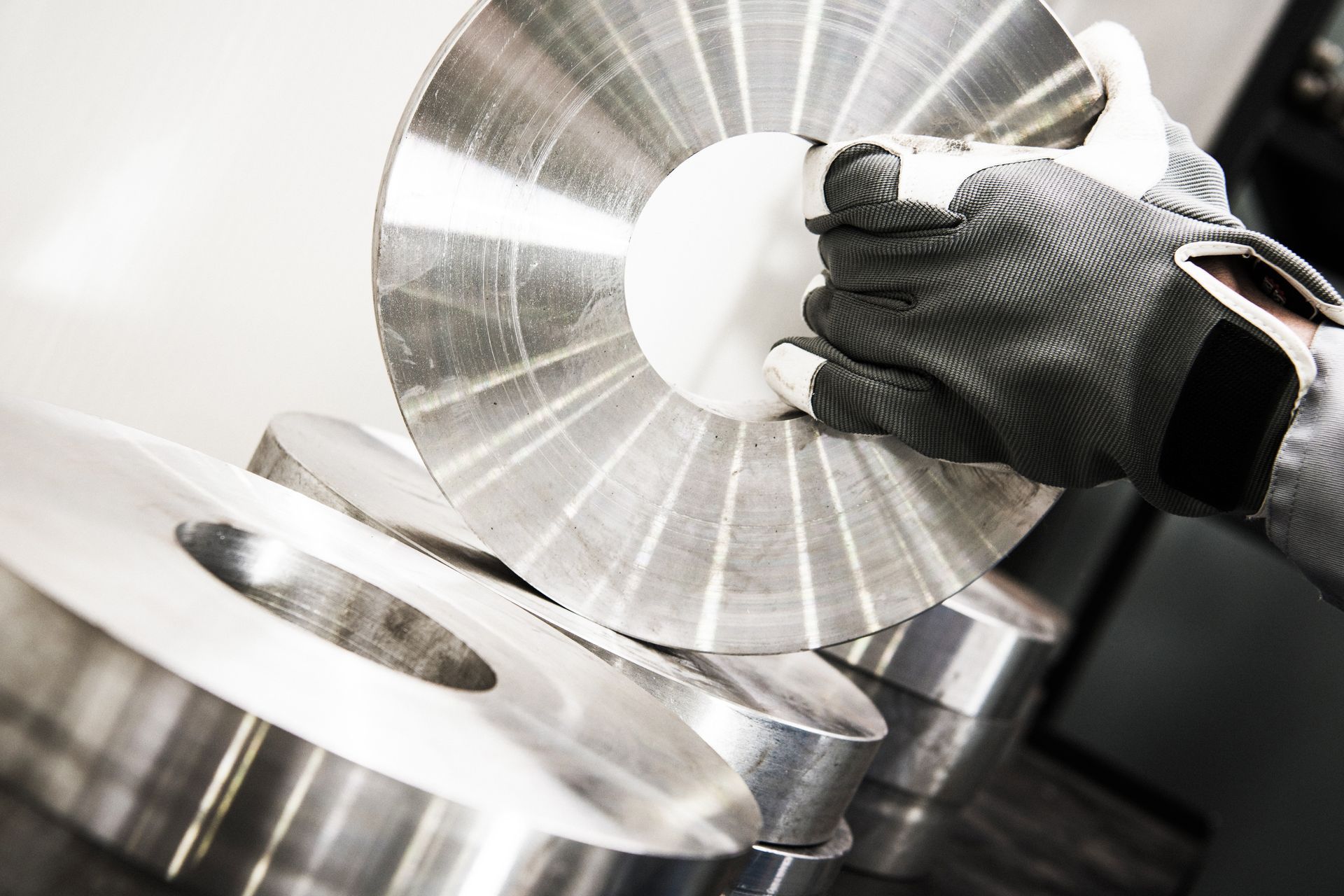
Stainless steel plate manufactured to specifications such as ASTM A240 is commonly used in pressure vessel construction. Material chemistry and mechanical properties must meet code requirements before fabrication.
Pressure vessels often require additional testing, inspection, and certification beyond material supply.
Stainless steel is frequently selected when corrosion resistance is as important as structural strength.
In chemical processing, marine, and energy applications, stainless steel can extend equipment life by reducing corrosion-related degradation.
Temperature and Pressure Interaction
High-pressure systems often operate at elevated temperatures. As temperature increases, yield and tensile strength may decrease. Engineers must consider temperature derating when calculating allowable stress.
Austenitic stainless steels such as 304 and 316 maintain good mechanical performance at moderately elevated temperatures, which contributes to their use in industrial process systems.
Precise performance characteristics should always be verified against published mechanical property data for the specific grade and condition.
Corrosion and Pressure Combined
Pressure alone does not determine material suitability. The combination of pressure and corrosive environment is often the real challenge.
In chloride-rich environments, stress corrosion cracking can occur if conditions are severe. Selecting the appropriate alloy and following proper fabrication practices helps reduce this risk.
For example, 316 stainless steel offers improved resistance compared to 304 in chloride exposure.
Material selection must consider both mechanical and environmental factors.
Fabrication Considerations
Welding is common in pressure vessel and piping construction. Low-carbon variants such as 304L and 316L are often used to reduce the risk of carbide precipitation in heat-affected zones.
Post-weld treatment and inspection requirements are determined by governing codes and application specifications.
Dimensional accuracy and flatness are also important in pressure plate applications, particularly when forming or machining components.
Stainless Steel Forms Supplied for Pressure Applications
Action Stainless supplies stainless steel materials commonly used in pressure-related industrial systems, including:
- Stainless steel plate
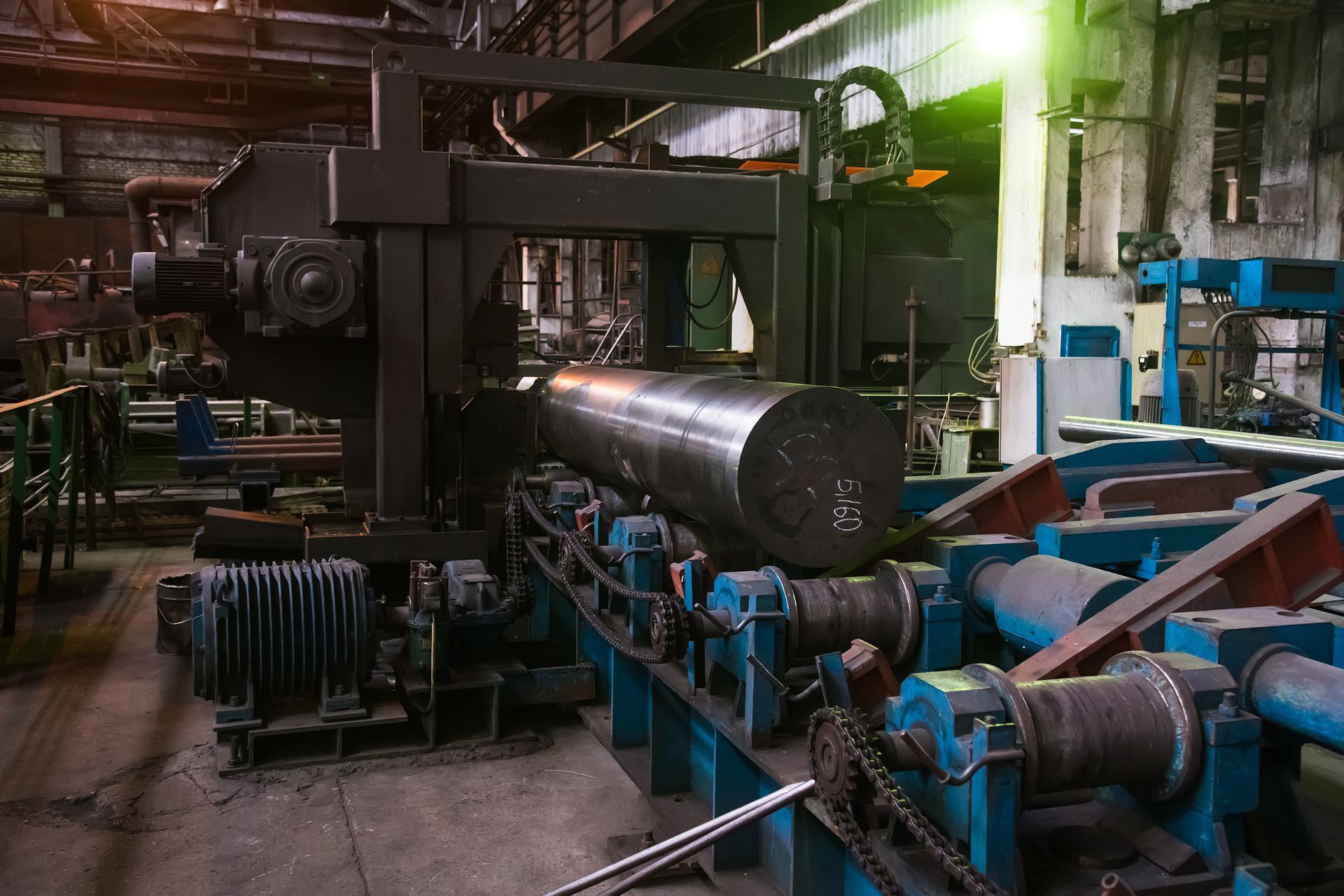
- Stainless steel round bar
- Stainless steel flat bar
Grades commonly available include 304/304L, 316/316L, and 17-4 PH, depending on size and availability. Material certifications can be provided to support engineering and procurement documentation requirements.
Final pressure ratings are determined by system design and applicable codes, not by raw material supply alone.
Frequently Asked Questions About Stainless Steel in High-Pressure Systems
Is stainless steel suitable for high-pressure applications?
Yes. Stainless steel is widely used in pressure vessels, piping systems, and hydraulic components due to its strength and corrosion resistance.
Which stainless steel grade is best for high pressure?
Grade selection depends on strength and corrosion requirements. 304 and 316 are commonly used for pressure systems, while 17-4 PH may be selected when higher strength is needed.
Does stainless steel have a pressure rating?
Pressure rating depends on component design, wall thickness, temperature, and applicable codes. The material itself does not have a single universal pressure rating.
Is 316 stronger than 304?
Mechanical strength between 304 and 316 is similar in many conditions. 316 offers improved corrosion resistance, particularly in chloride environments.
Can stainless steel crack under pressure?
Improper design, extreme environments, or stress corrosion conditions may lead to cracking. Proper material selection and code compliance reduce risk.
Final Thoughts
Stainless steel performs well in many high-pressure applications because it combines mechanical strength, corrosion resistance, and structural stability.
However, pressure capability depends on system design, temperature, thickness, and compliance with industry codes. Alloy selection must consider both strength and environmental exposure. Grades such as 304, 316, and 17-4 PH are commonly used in pressure-related industrial systems depending on performance requirements.
Action Stainless supplies stainless steel plate and bar for industrial applications. For assistance reviewing material specifications or confirming grade availability,
contact Action Stainless to discuss your project requirements.