
Laser Cutting vs Waterjet vs Plasma: Which Method Saves Money on Your Project
Choosing the right metal cutting process directly affects the cost, efficiency, and quality of your project. In today’s competitive fabrication environment, decision-makers must weigh more than just speed precision, edge finish, and post-processing costs all play a role in total ROI. Action Stainless offers laser, waterjet, and plasma cutting services in-house, giving fabricators across industries a direct way to balance quality and cost for stainless, aluminum, and specialty metals.
While each process has its advantages, understanding the
cost-to-performance
ratio of these cutting methods helps determine which delivers the best value for your specific application.
Understanding the Three Cutting Methods
Each cutting method laser, waterjet, and plasma, uses a unique process to shape metal. The differences go beyond the cut itself; they impact material waste, lead times, and secondary finishing.
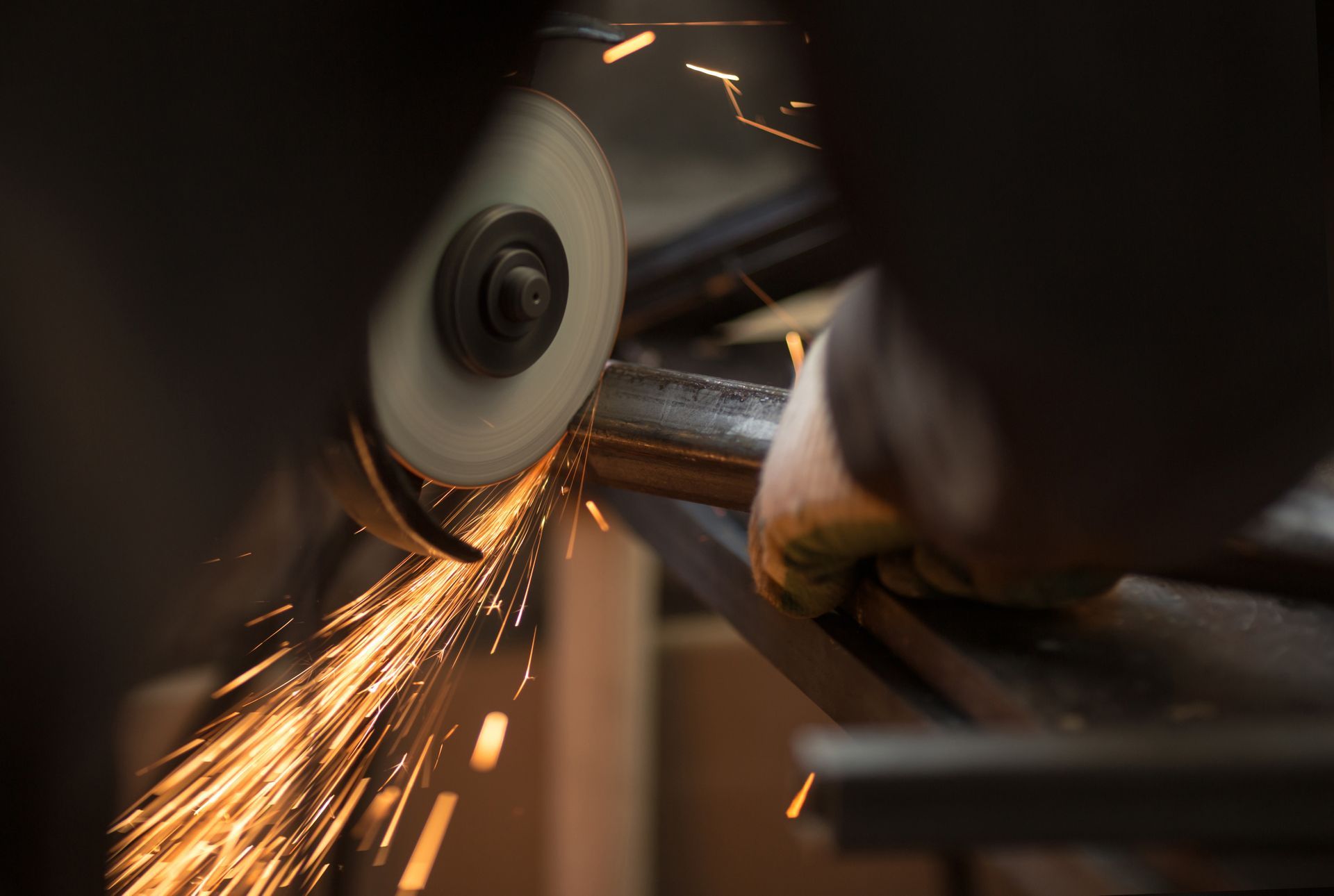
Laser cutting uses a focused beam of light to melt or vaporize material along precise paths. It’s known for producing clean, narrow kerfs and tight tolerances, making it ideal for thin-to-moderate stainless steel. Action Stainless’s laser cutting systems offer exceptional repeatability for production environments where precision and edge quality are paramount.
Waterjet cutting uses a high-pressure stream of water mixed with abrasive particles to slice through metal without generating heat. This “cold cutting” method eliminates the risk of heat-affected zones (HAZ), preserving the material’s metallurgical properties, a major advantage when working with stainless steel or aluminum for sanitary, structural, or critical components.
Plasma cutting uses an electrically charged jet of gas to cut through conductive metals quickly and efficiently. It’s ideal for thicker materials and heavy industrial projects, where speed and material removal rate matter more than edge polish. Action Stainless’s plasma cutting capabilities allow for fast turnaround on large plate orders or structural components where productivity drives ROI.
Performance and Cost Comparison
The most effective way to compare the three processes is by looking at their relative strengths in speed, precision, and efficiency.
| Metric | Laser Cutting | Waterjet Cutting | Plasma Cutting |
|---|---|---|---|
| Precision | Excellent (±0.005") | Excellent (±0.010") | Moderate (±0.030") |
| Edge Quality | Smooth, minimal burr | Clean, no heat effects | Rougher, some dross |
| Material Thickness Range | Up to 1 inch | Up to 6 inches | Up to 2 inches |
| Heat-Affected Zone (HAZ) | Low | None | High |
| Cutting Speed | Moderate | Slower | Fastest |
| Post-Processing Needs | Minimal | None | Often required |
| Operating Cost per Hour | Moderate | High | Low |
| Best Use Cases | Thin stainless parts, food-grade equipment | Thick, specialty, or heat-sensitive materials | Large industrial plates, tanks, frames |
| ROI Value | High for repeat precision parts | Medium for specialized jobs | High for bulk throughput |
Each cutting method has its economic “sweet spot.” Laser cutting shines in applications where precision and part uniformity reduce secondary machining costs. Waterjet cutting offers the highest material versatility and no thermal distortion, ideal for complex or mixed-material projects. Plasma cutting, while less precise, delivers high throughput for thick plate work at the lowest operational cost.
ROI and Cost Drivers in Metal Cutting
Cost efficiency depends on more than the price per cut. Several key variables determine the real return on investment (ROI) for each method:
- Material Type and Thickness: Laser excels in thinner stainless and aluminum; waterjet handles thicker or layered materials; plasma offers the fastest cuts on heavy plate.
- Part Complexity: The tighter the geometry and tolerances, the more value laser or waterjet provides.
- Edge Requirements: When post-cut finishing must be minimal, laser and waterjet save time and cost downstream.
- Volume and Repetition: Plasma is best for high-volume, low-precision runs. For recurring precision jobs, laser achieves higher ROI through automation and nesting efficiency.
- Secondary Processing: Reducing grinding, polishing, or deburring after cutting can offset higher per-hour costs of laser or waterjet systems.
At Action Stainless, engineers evaluate all these factors before recommending a cutting method, ensuring every project balances quality with cost-effectiveness.
When Precision Protects Your Bottom Line
While plasma cutting offers the lowest hourly cost, it may not always provide the lowest total cost of ownership for parts requiring secondary finishing. Laser and waterjet processes often eliminate entire steps of post-processing saving hours in labor and preserving tight dimensional tolerances.
For example, when fabricating food processing components, the smooth, oxide-free edges produced by laser or waterjet cutting minimize contamination risks and reduce rework time. Similarly, for architectural or sanitary-grade fabrications, these methods maintain aesthetic and hygienic surface integrity, aligning with FDA and 3-A sanitary standards.
In contrast,
plasma cutting
remains highly effective for projects where surface finish is less critical such as
frames, platforms, or heavy structural fabrications. With the right nesting software and operator expertise, Action Stainless’s plasma systems can cut large volumes quickly, maximizing cost efficiency for thick-plate applications.
Choosing Based on Application and Material
Understanding which process suits your specific job starts with your project’s end use.
- Laser Cutting: Best for thinner stainless sheets, precision components, and parts requiring a smooth finish. Common in pharmaceutical, food, and architectural sectors.
- Waterjet Cutting: Handles mixed materials, thick plate, and heat-sensitive alloys. Used widely in chemical processing, defense, and aerospace industries.
- Plasma Cutting: Optimized for heavy fabrication work such as tank construction, marine parts, and machinery.
The choice often comes down to material thickness and finish requirements both of which directly influence cost. By having all three processes under one roof, Action Stainless ensures customers never overpay for cutting capacity they don’t need.
Real ROI: Reducing Waste and Lead Time
A common misconception is that “faster” automatically means “cheaper.” In reality, ROI comes from matching precision with production goals. Laser cutting’s fine kerf and nesting efficiency reduce scrap rates on high-value alloys. Waterjet’s lack of heat distortion prevents rejected parts on costly materials. Plasma’s speed reduces overall cycle times for large-scale orders.
Because Action Stainless stocks stainless, aluminum, and specialty alloys in multiple gauges, materials are ready for cutting as soon as designs are finalized. This integration of inventory and processing shortens lead times and minimizes handling key cost-saving advantages that impact both small and large production runs.
Partnering with Action Stainless for Cost Efficiency
Action Stainless doesn’t just provide cutting services, it provides cost-optimized fabrication solutions. Every project is evaluated based on part geometry, finish requirements, and production volume to determine the most economical method. Whether you need ultra-precise laser parts, thick-section waterjet profiles, or fast plasma-cut plate, Action Stainless tailors the process for maximum ROI.
By offering
laser, waterjet, and plasma cutting in-house, the company eliminates outsourcing markups and ensures consistent quality control. Combined with its
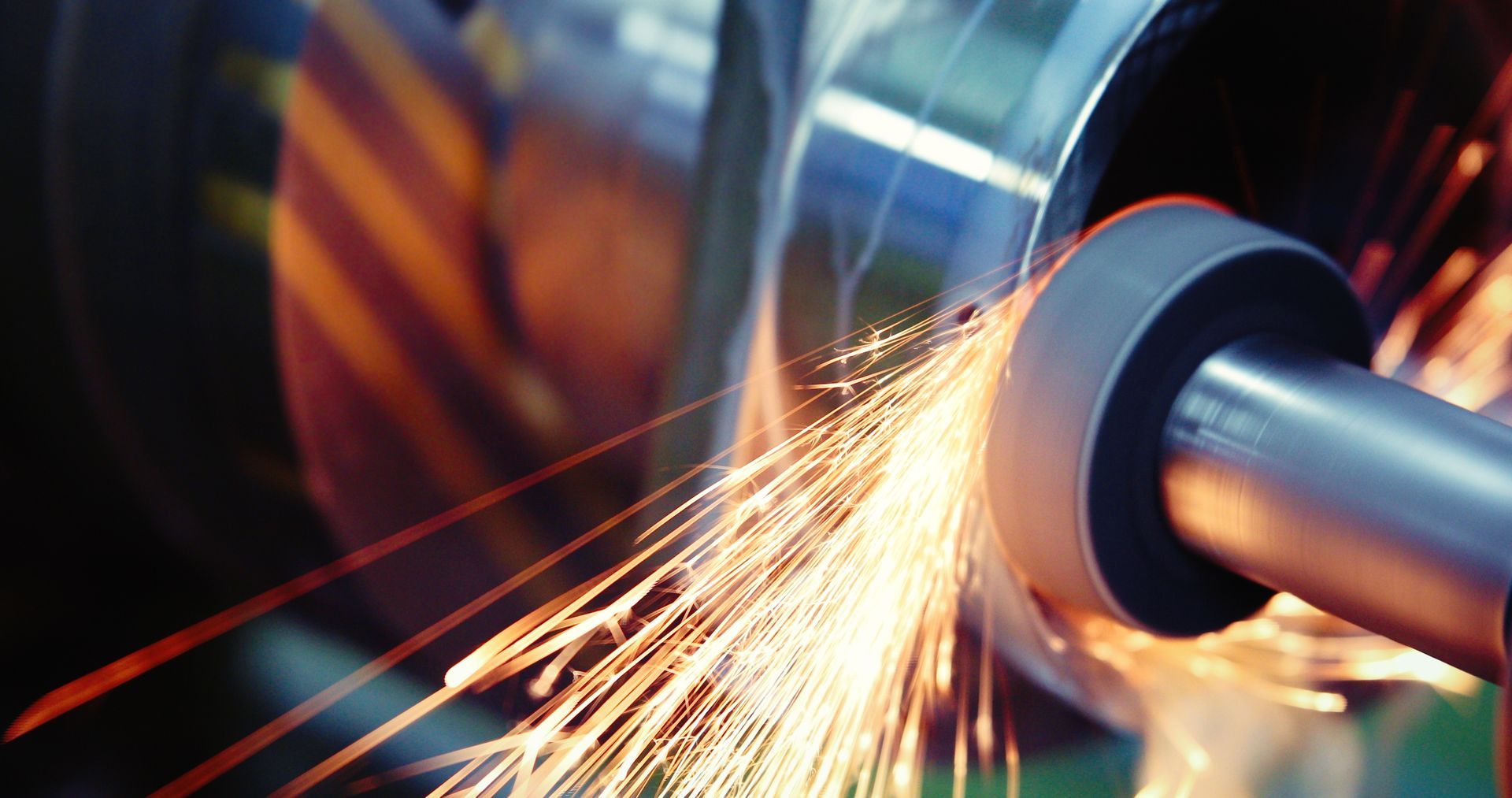
CNC machining, centerless grinding, and material polishing capabilities, Action Stainless delivers parts that are ready for assembly or welding immediately after cutting saving time and reducing total cost per project.
Conclusion
No single cutting method is universally “best.” The most cost-effective approach depends on your project’s balance of precision, speed, and finish. For thinner stainless components, laser cutting often offers the best ROI. For thick or heat-sensitive materials, waterjet remains unmatched in versatility. And for large industrial or structural fabrications, plasma cutting provides unmatched throughput at a lower per-part cost.
With three advanced cutting technologies under one roof, Action Stainless helps fabricators and manufacturers achieve optimal results while keeping budgets in check. From food processing and chemical equipment to marine and architectural applications, Action Stainless ensures every cut meets both performance and cost goals.
FAQs: Laser, Waterjet, and Plasma Cutting
What is the cheapest cutting method for stainless steel?
Plasma cutting typically offers the lowest hourly rate, but depending on post-processing needs, laser or waterjet may deliver lower total cost per finished part.
Which method provides the best precision and edge finish?
Laser and waterjet cutting both provide excellent precision and smooth edges. Laser excels in repeatability, while waterjet eliminates any heat distortion for perfect edge integrity.
When should I choose waterjet cutting over laser?
Choose waterjet when working with thicker stainless steel, mixed materials, or parts that can’t tolerate any heat-affected zones.
Is plasma cutting suitable for stainless steel fabrication?
Yes. Modern CNC plasma systems are ideal for thicker stainless plate and structural components where surface finish is secondary to speed and throughput.
How does Action Stainless help lower cutting costs?
By offering all three cutting methods, Action Stainless selects the most efficient process for your part, reducing waste, lead time, and rework while maintaining tight quality control.