
Stainless Steel for Water & Wastewater Infrastructure Components
Water and wastewater infrastructure relies on a wide range of components that must perform reliably under constant exposure to moisture, pressure, chemicals, and changing environmental conditions. Material selection for these components plays a critical role in long-term system performance, maintenance planning, and lifecycle cost.
Stainless steel is widely used in water and wastewater infrastructure components because of its corrosion resistance, durability, and ability to perform in demanding environments. Rather than focusing on entire treatment facilities, this article examines how stainless steel is applied at the component level, where material choice directly affects reliability and service life.
At
Action Stainless, stainless steel is supplied for infrastructure-related applications where material consistency and fabrication readiness matter.
Why Material Selection Matters for Infrastructure Components
Infrastructure components are often exposed to:
- Continuous moisture
- Variable water chemistry
- Intermittent chemical exposure
- Outdoor or buried environments
- Mechanical loading and vibration
Failures at the component level can lead to leaks, service interruptions, or increased maintenance. Selecting materials that withstand these conditions helps reduce downtime and long-term operating costs.
Common Stainless Steel Components in Water Infrastructure
Stainless steel is used in a wide variety of water and wastewater components, including:
- Structural supports and frames
- Pipe sections and fittings
- Fasteners and anchors
- Screens and grates
- Access covers and housings
- Shafts and mechanical components
These components must balance corrosion resistance with mechanical strength and fabrication compatibility.
Corrosion Resistance in Water and Wastewater Environments
Water and wastewater systems expose materials to conditions that can accelerate corrosion. These may include:
- Chlorides
- Variable pH levels
- Disinfectants and treatment chemicals
- Standing or stagnant water
Stainless steel’s corrosion resistance comes from its chromium-rich oxide layer, which protects the metal surface under many conditions. Proper grade selection is essential, as different environments place different demands on the material.
Stainless Steel Grades Commonly Used for Infrastructure Components
While grade selection depends on specific exposure conditions, certain stainless grades are commonly used in water-related components.
| Stainless Steel Grade | Typical Component Applications |
|---|---|
| 304 | Structural components, supports, housings in mild environments |
| 316 | Components exposed to higher chlorides or chemicals |
| Duplex grades | High-strength components where corrosion resistance is also required |
These examples illustrate typical usage patterns rather than prescribing specific applications.
Mechanical Performance and Durability
Infrastructure components often experience static loads, vibration, or cyclical stresses. Stainless steel offers:
- Good strength-to-weight balance
- Resistance to fatigue-related degradation
- Stability across temperature variations
These characteristics support long service life when components are properly designed and fabricated.
Fabrication Considerations for Infrastructure Components
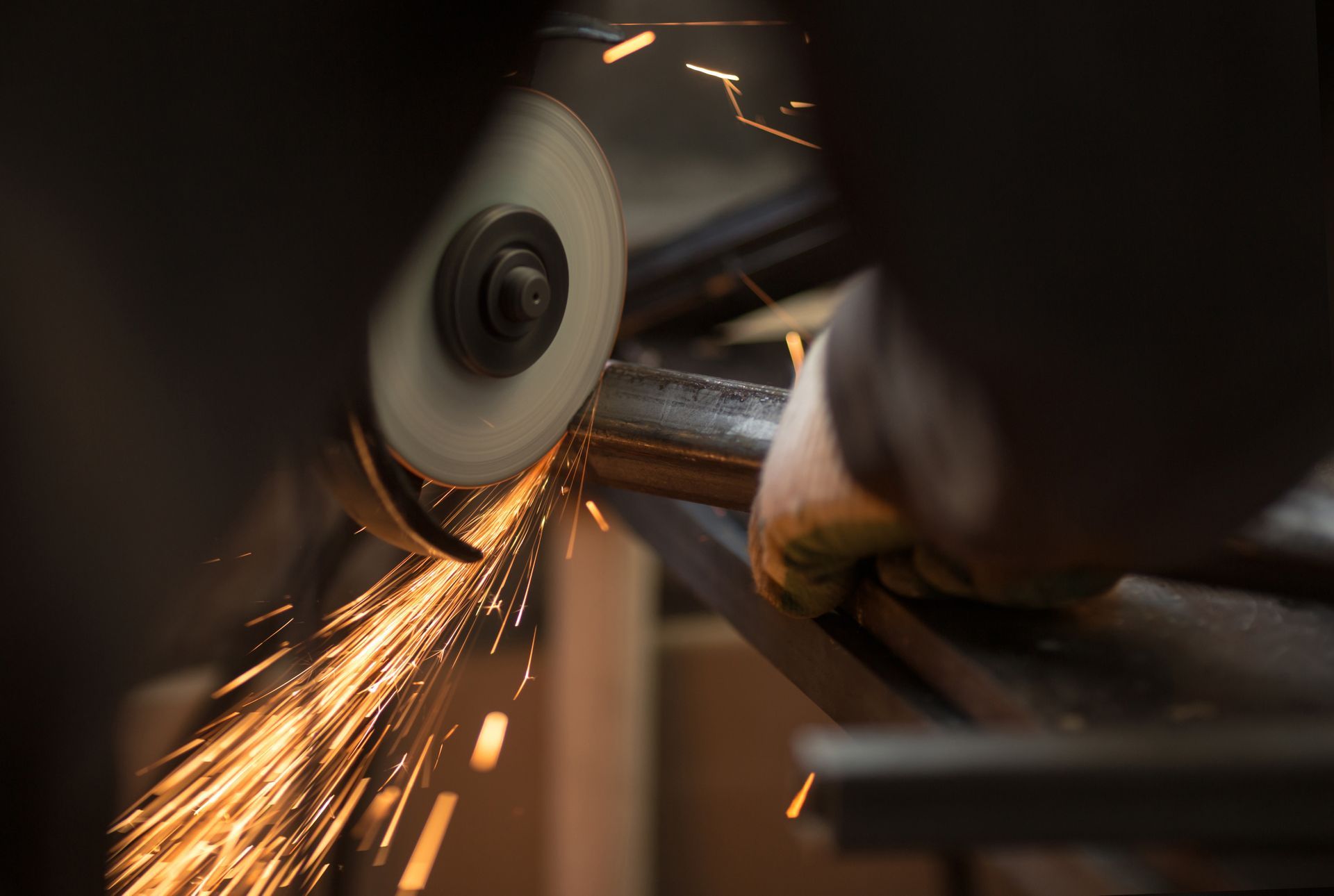
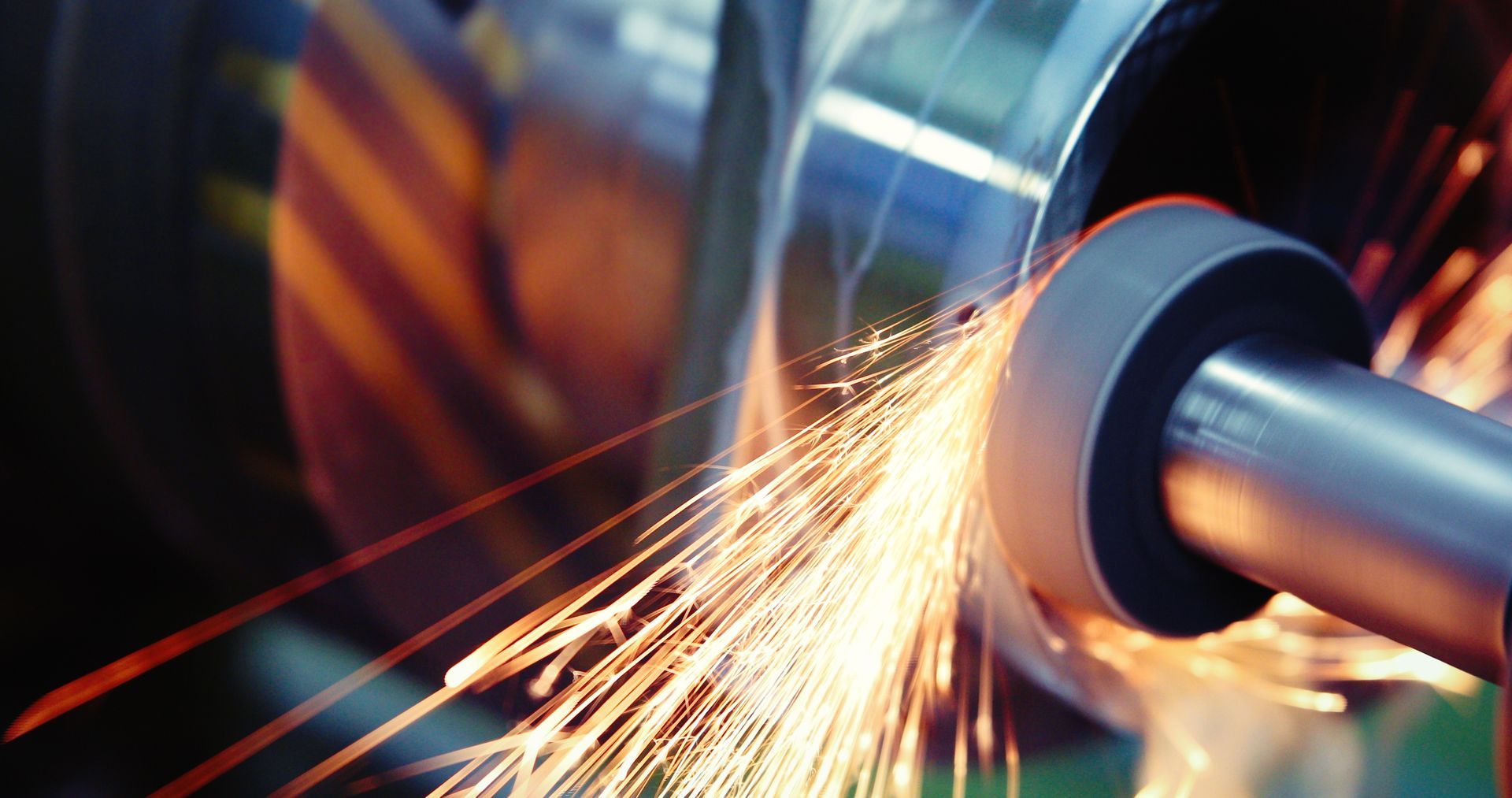
Stainless steel components for water and wastewater systems often require cutting, forming, welding, and machining. Material consistency and surface condition are important to ensure proper fit and performance.
Considerations include:
- Weld quality and joint design
- Surface condition for corrosion exposure
- Dimensional consistency for assembly
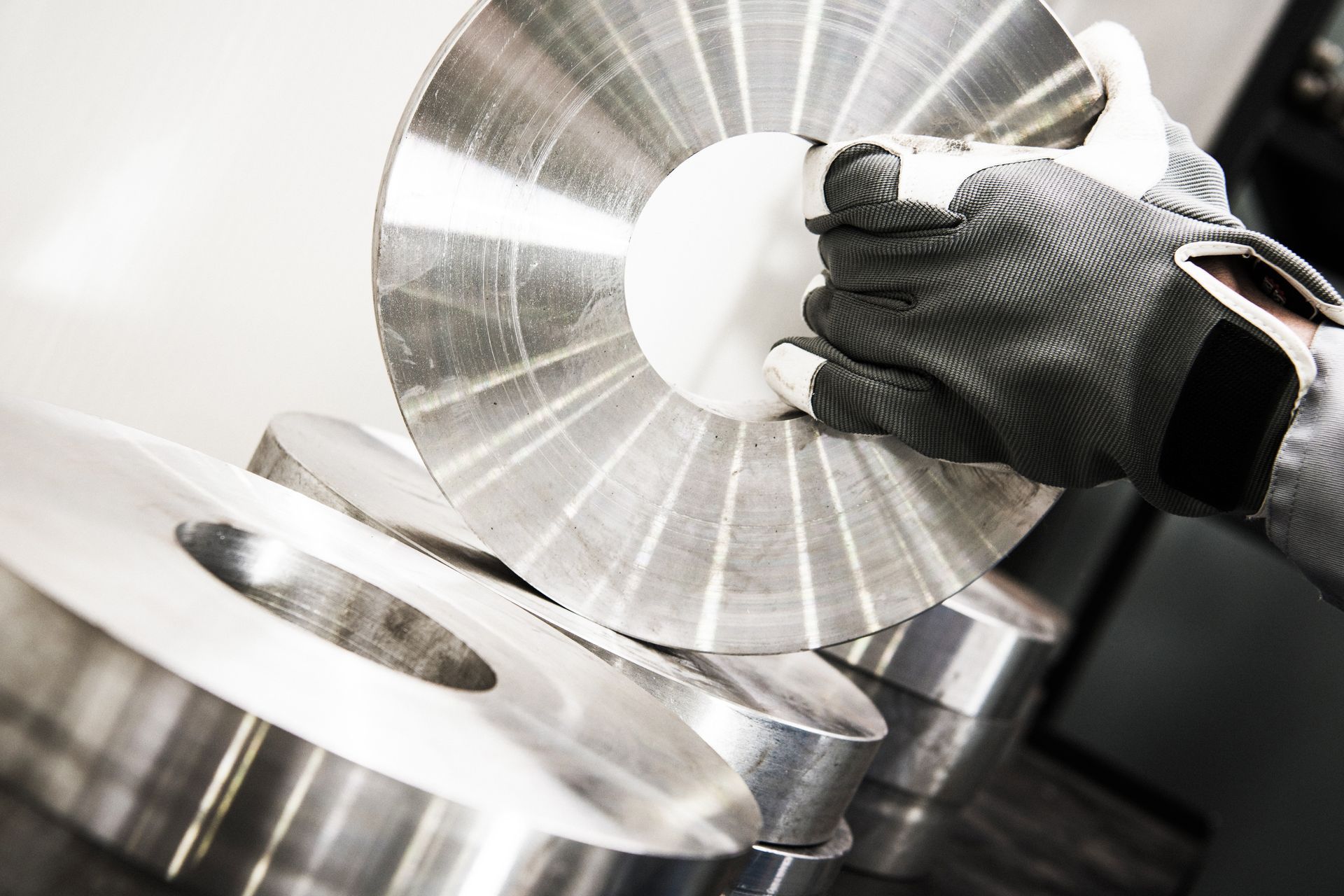
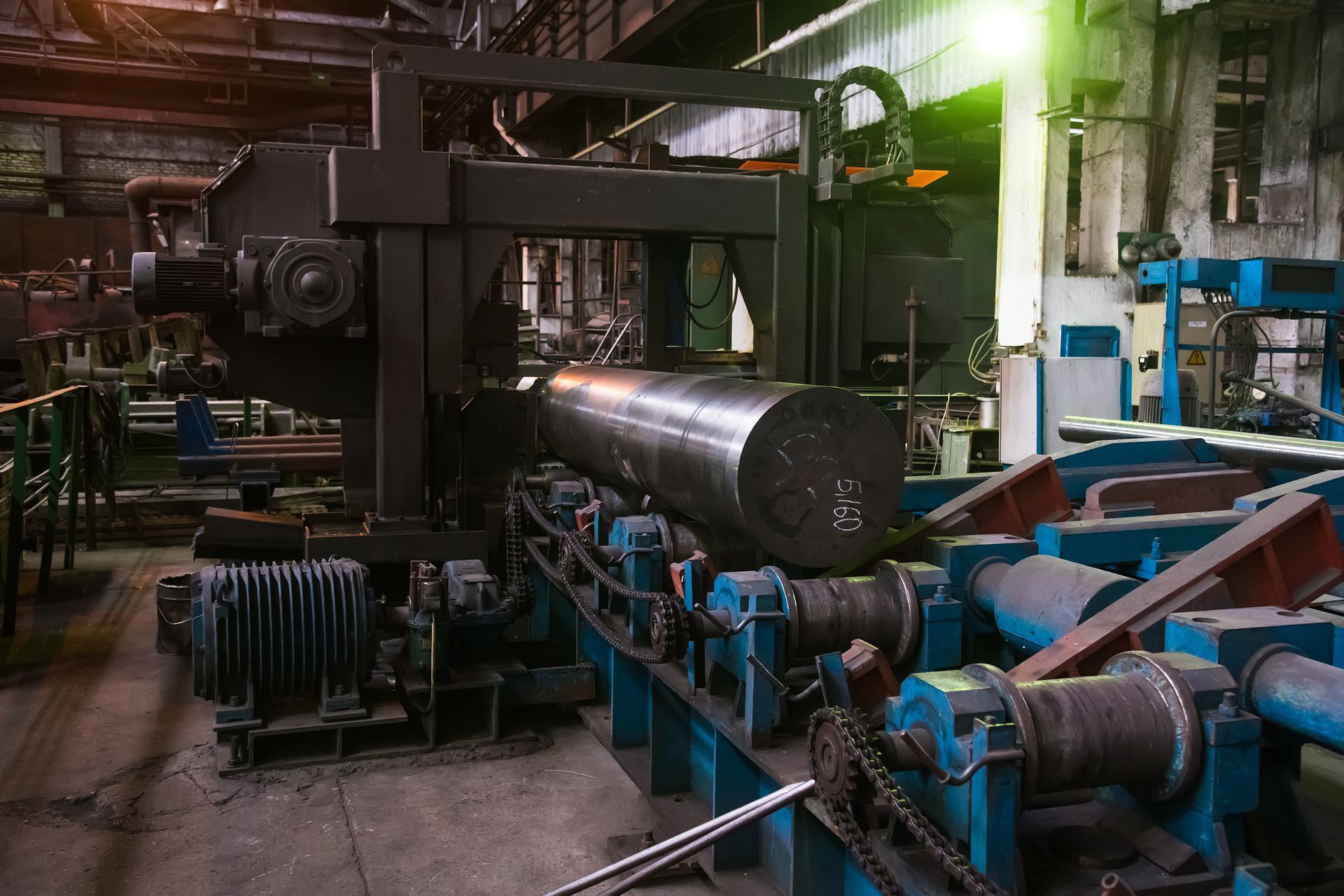
Action Stainless supplies stainless steel bar, plate, tube, and pipe prepared to support downstream fabrication and component manufacturing.
Maintenance and Lifecycle Considerations
Infrastructure components are expected to operate for extended periods with minimal maintenance. Stainless steel supports this goal by:
- Resisting corrosion-related degradation
- Maintaining surface integrity over time
- Reducing the need for frequent replacement
While no material is maintenance-free, stainless steel helps reduce long-term intervention compared to less corrosion-resistant options.
Why Component-Level Focus Is Important
While entire facilities may incorporate many materials, failures often occur at the component level. Valves, supports, fasteners, and mechanical parts are common points of wear or corrosion.
Focusing on component-level material selection allows engineers and planners to:
- Target durability where it matters most
- Reduce risk in critical areas
- Optimize lifecycle cost
Supply and Preparation Considerations
Infrastructure projects often involve long timelines and phased construction. Consistent material availability and preparation help keep projects on schedule.
Early coordination of:
- Grades
- Sizes
- Product forms
helps align material supply with fabrication and installation schedules.
How Action Stainless Supports Infrastructure Applications
Action Stainless supplies stainless steel products used in water and wastewater infrastructure components, supporting applications where corrosion resistance and durability are required. By providing stainless bar, plate, tube, and pipe with attention to material consistency, Action Stainless helps customers prepare components for long-term service.
Stainless steel plays a vital role in water and wastewater infrastructure at the component level. Its corrosion resistance, durability, and fabrication compatibility make it well-suited for components exposed to moisture, chemicals, and mechanical stress. By focusing on material selection for individual components, engineers and planners can improve reliability and reduce long-term maintenance demands.
Contact us to discuss stainless steel material options and fabrication-related considerations.
FAQs: Stainless Steel in Water & Wastewater Infrastructure
Why is stainless steel used in water infrastructure components?
Because it offers corrosion resistance and durability in wet environments.
Are all stainless grades suitable for wastewater use?
No. Grade selection should match chemical exposure and operating conditions.
Does stainless steel require special maintenance?
Routine inspection and cleaning may be required, depending on the environment.
Is stainless steel used for structural components?
Yes. It is commonly used for supports, frames, and mechanical parts.
Does Action Stainless supply materials for infrastructure projects?
Yes. Action Stainless supplies stainless steel products used in infrastructure-related applications.