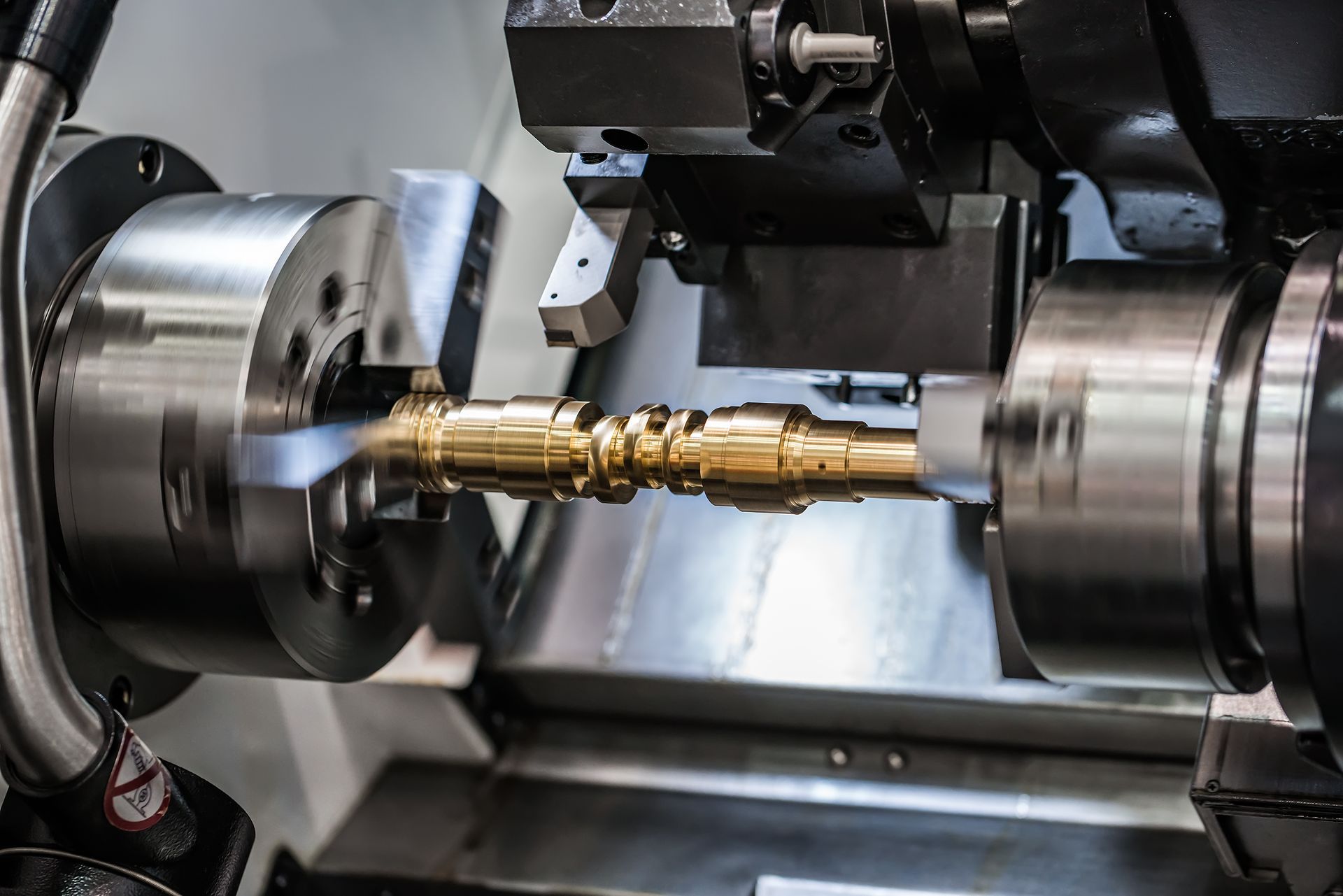

What Is Turned, Ground, and Polished (TGP) Bar?
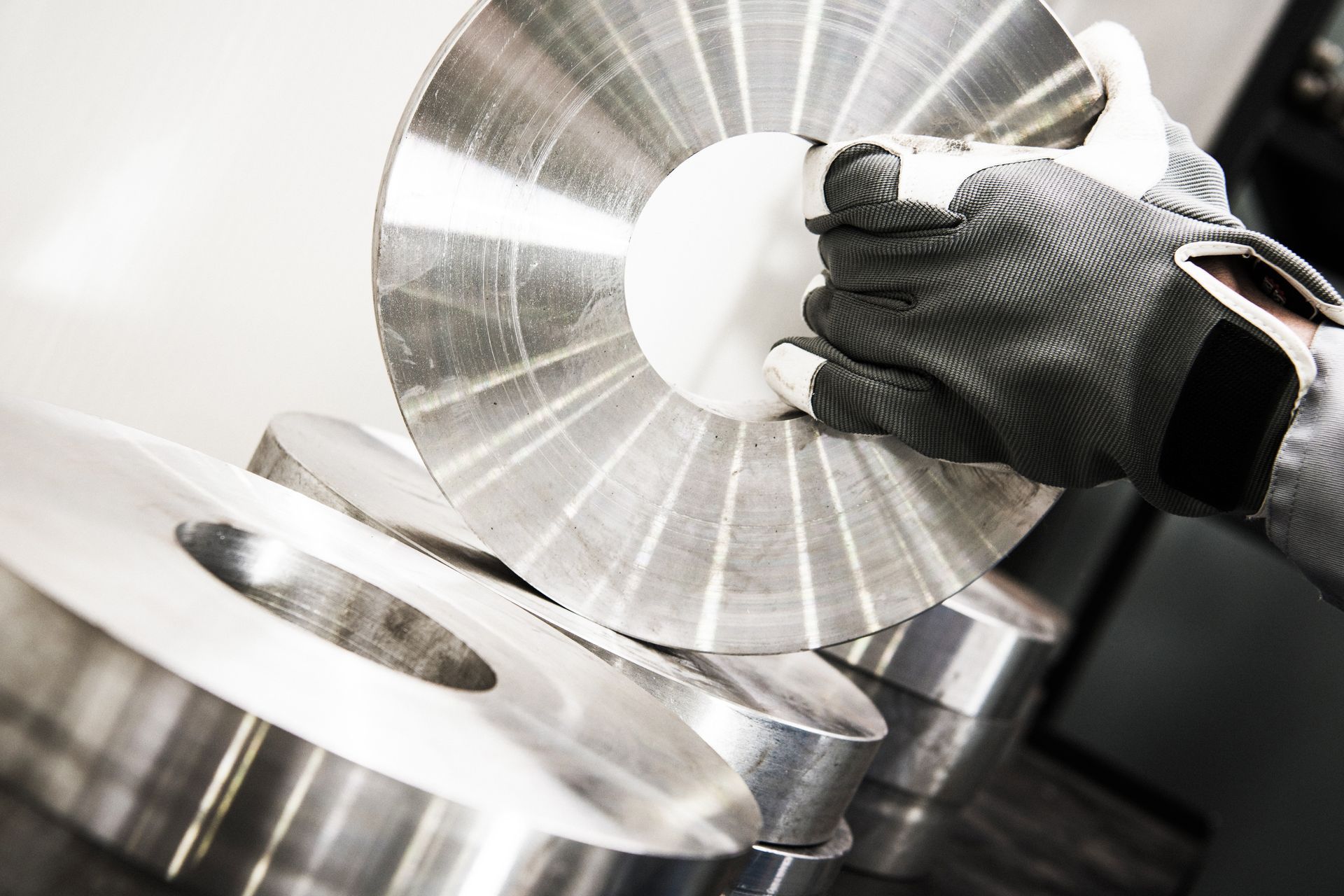
Turned, Ground and Polished (TGP) bar, sometimes written as TG&P bar is a common term in the steel industry, especially in industries that rely on shafts. TGP describes a multi-step finishing process used to produce bar stock with high straightness, tight dimensional accuracy, and a smooth, refined surface. Although the term is most commonly used for carbon steel shafting, the underlying principles apply across metals.
Many engineers and buyers associate TGP bar with precision shafting used in hydraulic systems, linear motion assemblies, motor components, and mechanical equipment. What gives TGP bar its value is the controlled finishing sequence that produces stable geometry, accurate diameter, and a clean surface ready for bearing or seal contact.
At Action Stainless, the company focuses on stainless steel rather than carbon steel products, but provides the equivalent functional benefits through precision centerless grinding and polishing. In the stainless world, these steps are often referred to as “precision ground bar,” but the result is functionally comparable to traditional TGP shafting. For customers who need stainless bar that performs like TGP straight, round, and smooth Action Stainless delivers that capability in-house.
This article explains what TGP bar is, how the finishing process works, where it’s used, and how precision ground stainless bar achieves the same performance advantages in corrosion-resistant applications.
Understanding What TGP Bar Means
Turned, Ground and Polished bar describes a three-step finishing process:
- Turned – Material is rough-turned on a lathe to bring the diameter close to final size.
- Ground – Material is ground (typically centerless grinding) to achieve tight tolerances, roundness, and straightness.
- Polished – A polishing step refines the surface finish, improving smoothness and appearance.
Although the exact process can vary depending on material and producer, the meaning is consistent: TGP describes shafting with excellent dimensional accuracy and a smooth, uniform surface finish.
The result is a bar that:
- Has a controlled diameter
- Exhibits excellent straightness
- Maintains tight roundness
- Provides a clean, refined finish suitable for seals and bearings
These qualities are essential for shaft performance.
How TGP Compares to Precision Ground Stainless Bar
While the name “TGP” is not commonly applied to stainless steel in the marketplace, the performance attributes of stainless precision ground bar align closely with the goals of TGP shafting. Action Stainless uses centerless grinding and polishing to refine stainless bar until it meets strict requirements for roundness, straightness, and surface finish.
The key difference is origin:
- TGP traditionally refers to a carbon steel shafting product.
- Precision ground bar refers to stainless steel prepared through grinding and optional polishing.
But in terms of performance, both are used as high-straightness, smooth-surface, accurate-diameter shafting.
Why TGP Bar Exists: The Limitations of As-Rolled or Drawn Bar
Standard mill-supplied bar stock whether hot-rolled or cold-drawn is rarely straight or smooth enough for precision shaft applications. It may be slightly oval, show minor bends, or retain surface imperfections from rolling or drawing operations.
These variations cause issues when:
- A seal must maintain even contact
- A bearing requires precise rotational alignment
- A shaft must travel through a bushing or linear guide
- A machined part requires predictable diameters
This is why TGP processing was developed to turn general-purpose bar into precision-grade shafting.
Action Stainless achieves equivalent improvements through its grinding process. Stainless bar that enters the grinder may show mill variation, but the grinding and polishing process transforms it into a consistent, ready-to-machine or ready-to-install bar.
How the TGP Process Works
The name “Turned, Ground and Polished” describes the sequence of steps:
Turning
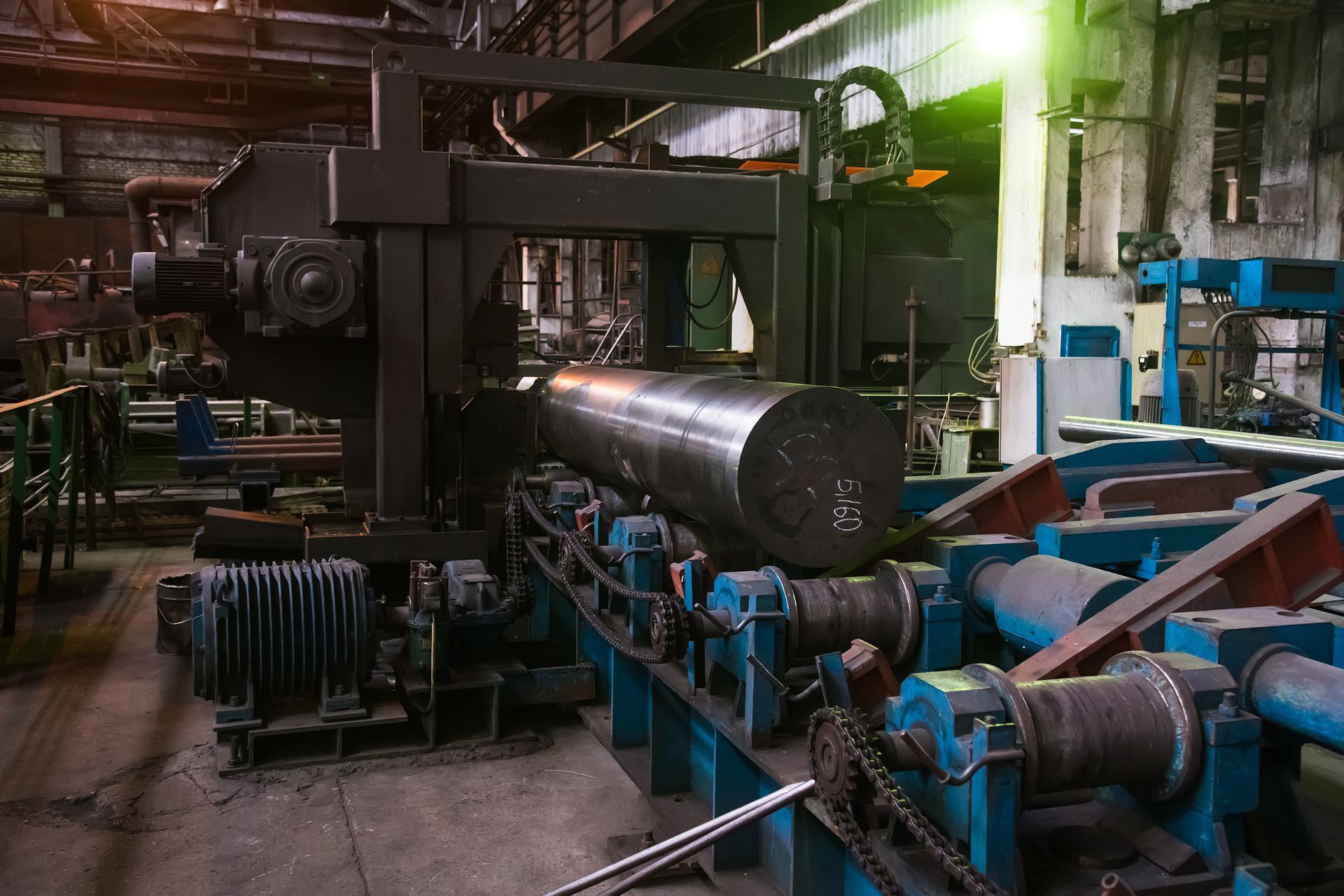
Turning removes outer material quickly and reduces the bar down to a semi-finished size. This step eliminates mill scale, surface imperfections, and outer deformation. It also prepares the bar for more controlled size reduction during grinding.
Grinding
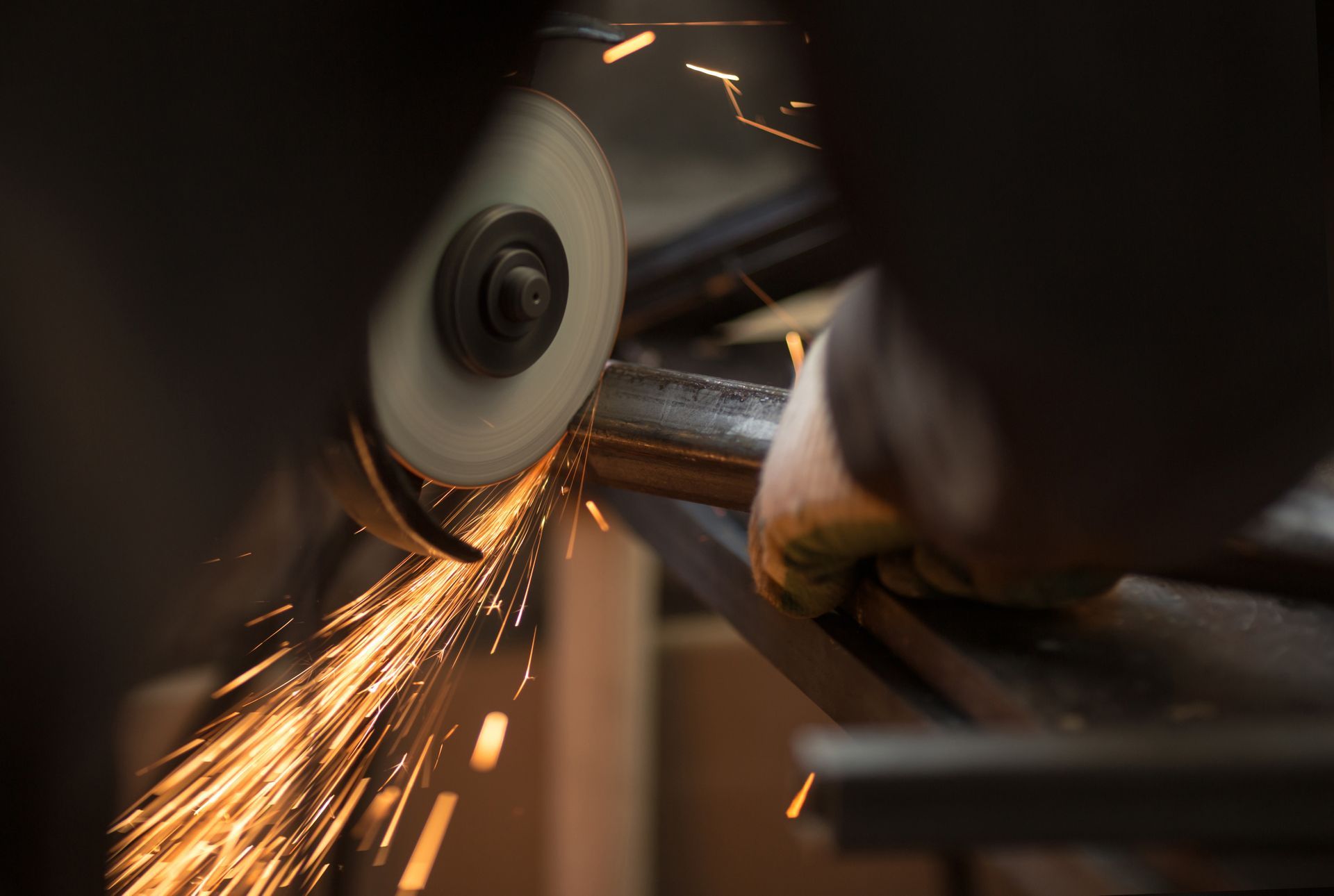
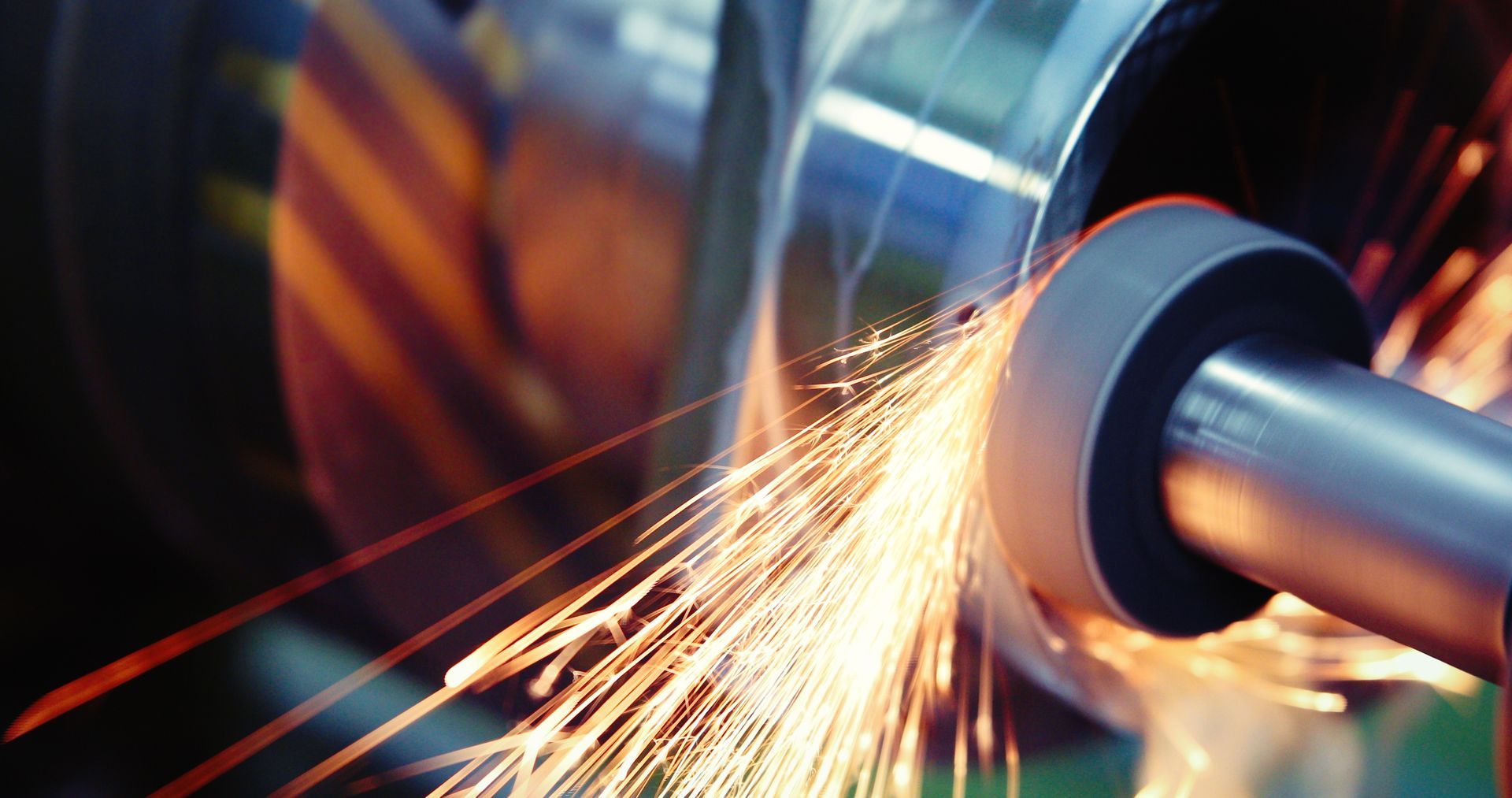
Grinding is where much of the precision is created. In many facilities including Action Stainless centerless grinding is used, even though the “TGP” label is less common with stainless products. Grinding establishes the bar’s final diameter, improves roundness, straightens the bar under continuous support, and removes minor imperfections.
Polishing
The final polishing step creates a smoother surface. In stainless applications, polishing also enhances corrosion resistance and cleanability valuable in food processing, marine, and automated equipment where cleanliness and appearance matter.
What TGP Bars Are Used For
TGP bars are essential in applications requiring precise movement, consistent rotational motion, or reliable alignment. These include:
- Hydraulic cylinder rods
- Pump shafts
- Linear motion rails
- Motor shafting
- Precision guides
- Bearing-supported shafts
- OEM equipment requiring tight-tolerance components
The qualities of a TGP bar straightness, roundness, uniform diameter, and refined finish directly influence performance. Stainless steel versions of these components offer added corrosion resistance, making them ideal for harsh environments, food-processing equipment, pharmaceutical machinery, marine systems, and high-moisture environments.
Precision Ground Stainless Bar: The Stainless Equivalent of TGP
Action Stainless does not market its products under the “TGP” name because the term is typically used in carbon steel distribution. However, what they do provide precision ground stainless bar is functionally comparable.
Precision ground stainless bar from Action Stainless includes:
- Controlled outer diameter from centerless grinding
- Improved roundness across the entire length
- Enhanced straightness from constant support during grinding
- Smooth, uniform surface from optional polishing
- Readiness for machining or final installation
These characteristics allow stainless bar to perform the same roles as traditional TGP shafting, with the added durability and corrosion resistance of stainless alloys.
Comparison: TGP vs Precision Ground Stainless Bar
| Property | Traditional TGP Bar (Carbon Steel) | Precision Ground Stainless Bar (Action Stainless) |
|---|---|---|
| Material | Carbon steel grades | Stainless steel grades (304, 316, 17-4, duplex, etc.) |
| Primary Process | Turned, ground, polished | Centerless ground, optionally polished |
| Diameter Accuracy | Tight | Tight |
| Straightness | High | High |
| Roundness | High | High |
| Surface Finish | Smooth, consistent | Smooth, refined, corrosion-resistant |
| Applications | Shafting in industrial systems | Shafting where corrosion resistance is critical |
This table shows that the performance intent accuracy, straightness, and finish is similar, even though the materials and terminology differ.
Why Straightness Matters in Shafting
Whether carbon steel or stainless, shafting must be straight to perform correctly. Even slight bends can cause:
- Vibration
- Misalignment
- Seal wear
- Premature bearing failure
- Noise
- Reduced efficiency
Centerless grinding helps correct minor bends and improves straightness by supporting the bar continuously as it passes through the grinding wheels. This inherent property of centerless grinding makes it ideal for preparing stainless bar for shafting applications.
Why Surface Finish Matters in Shafting
A smooth surface improves:
- Wear performance
- Seal life
- Corrosion resistance
- Lubrication behavior
- Overall reliability
The polishing step added after grinding produces a clean, consistent finish. In stainless applications, this finish is particularly important because stainless steel must resist pitting, contamination, and corrosion.
Why OD Accuracy Matters in Shafting
OD accuracy ensures:
- Proper fit in bearings
- Smooth sliding in bushings
- Correct performance in linear guides
- Consistent machining results
- Lower vibration under rotation
Centerless grinding is one of the most reliable methods for achieving this accuracy because it removes material uniformly around the circumference.
Action Stainless: Delivering the Stainless Equivalent of TGP
Action Stainless offers:
- Cutting
- Centerless grinding
- Polishing
- CNC machining support
These capabilities create stainless bar that is straight, smooth, and accurate ideal for shafting and mechanical applications traditionally associated with TGP bar. Customers who search for stainless TGP or TGP-equivalent products will find that Action Stainless’s precision ground bar delivers the performance they need with the added benefit of corrosion resistance.
Conclusion
Precision shafting requires accuracy, straightness, and surface integrity. Turned, Ground and Polished (TGP) carbon steel is one way the industry meets these needs but stainless applications demand corrosion resistance and durability that TGP carbon steel cannot offer. Action Stainless fills that role by providing precision-ground stainless bar that delivers the same functional benefits: controlled diameter, reliable roundness, improved straightness, and a clean, refined surface.
To request a quote or explore grinding and polishing options for stainless shafting, visit https://www.actionstainless.com and connect with the team.
FAQs: TGP Bar and Precision Ground Stainless
Is TGP the same as precision ground bar?
TGP traditionally refers to carbon steel shafting. Precision ground stainless bar offers similar performance in stainless alloys.
Does Action Stainless sell TGP carbon steel?
No. Action Stainless focuses on stainless steel, providing precision ground stainless bar with comparable shafting benefits.
What makes TGP or precision shafting special?
Tight tolerances, improved straightness, smooth finish, and consistent diameter.
Can stainless be turned, ground, and polished?
Yes. Stainless can be ground and polished to achieve the surface and dimensional quality required for precision shafting.
Which stainless grades are used for precision shafting?
Common grades include 304, 316, 17-4, duplex stainless, and various martensitic grades.