
Why Machinists Prefer 303 Stainless for CNC Turning: Chips, Tool Life, and Surface Finish
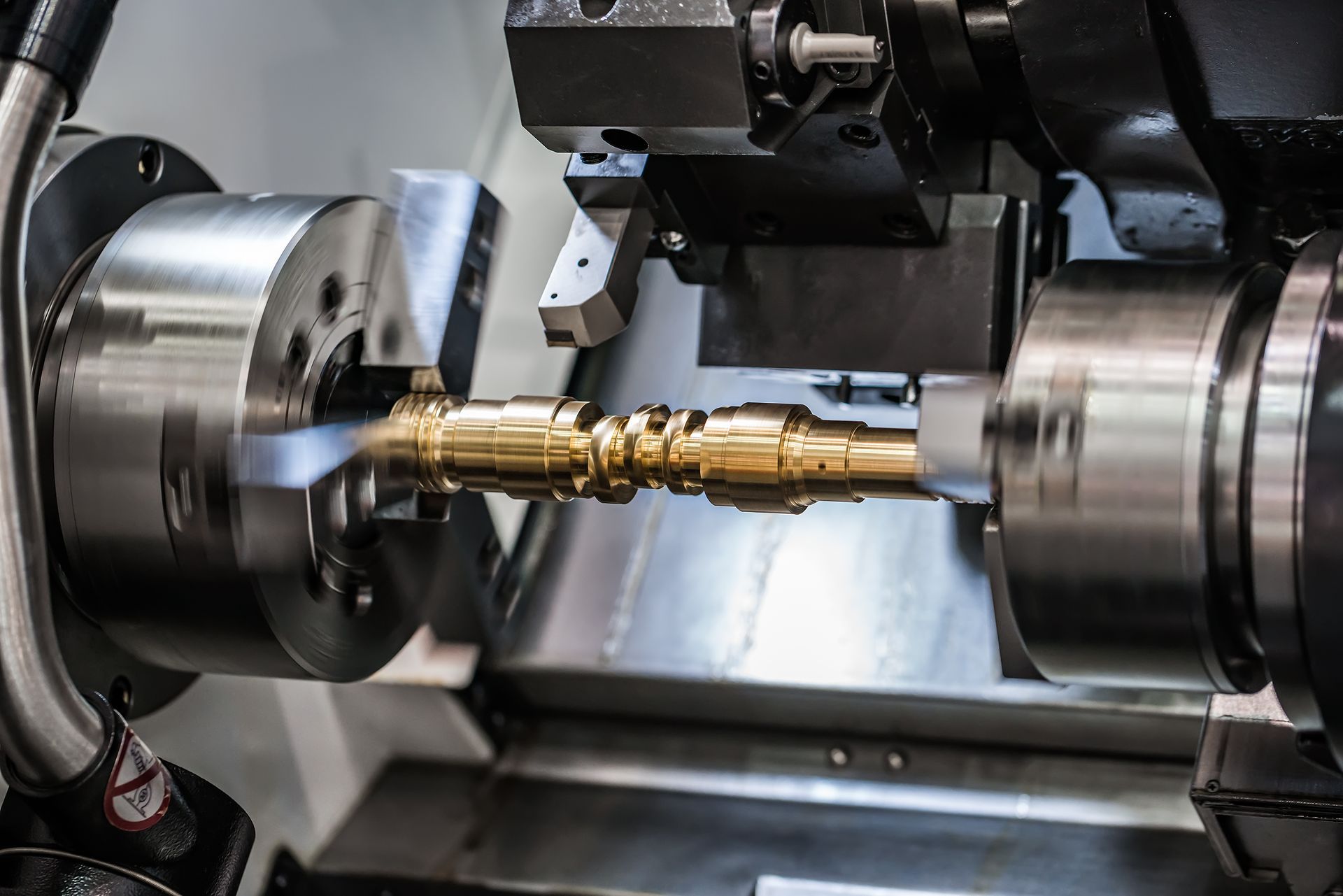
303 stainless steel is often selected for CNC turning when machinability is a primary concern. Compared to many other stainless grades, 303 is designed to cut more easily, produce more manageable chips, and support smoother machining workflows.
For machinists, buyers, and engineers, this matters because stainless steel can be challenging to machine. Work hardening, chip control, heat, and tool wear all affect production efficiency. Choosing a more machinable stainless grade can help reduce those challenges when the application allows it.
At Action Stainless,
stainless steel products are supplied for applications where material selection and downstream processing matter. Understanding why 303 stainless is preferred for CNC turning helps buyers choose the right grade before machining begins.
What Makes 303 Stainless Easier to Machine?
303 stainless is an austenitic stainless steel modified for improved machinability. Its chemistry helps improve chip breaking and cutting behavior compared to more general-purpose stainless grades.
In CNC turning, machinability affects how the material responds to cutting tools. A more machinable grade can support better chip control, smoother cutting, and more predictable results.
This makes 303 a common choice for turned parts where corrosion exposure is mild and machining efficiency is important.
Chip Control in 303 Stainless Turning
Chip control is one of the biggest reasons machinists choose 303 stainless. Long, stringy chips can interfere with production, damage finishes, and create handling issues around the machine.
303 stainless tends to produce chips that are easier to manage than many tougher stainless grades. Better chip control can support:
- More stable turning operations
- Reduced chip wrapping
- Cleaner part handling
- More predictable production flow
Chip behavior still depends on tooling, speed, feed, coolant, and setup. The material grade helps, but process control remains important.
Tool Life Considerations
Tool life is another important factor in CNC turning. Stainless steels can generate heat and work harden during machining, which can increase tool wear if the process is not controlled.
Because 303 is designed for machinability, it is often easier on tools than less machinable stainless grades. This can help support longer tool life in appropriate applications, though actual results depend on part geometry, tooling, and cutting parameters.
Buyers should avoid assuming that 303 solves every machining challenge. It improves machinability, but good setup and tooling are still required.
Surface Finish Benefits
Machinists often select 303 when a clean turned surface is important. Improved machinability can help produce more consistent surface finish during CNC turning.
A good surface finish can matter for:
- Shaft components
- Threaded parts
- Pins and spacers
- Fittings and connectors
- Parts requiring visual consistency
If additional surface refinement is needed after machining, polishing and finishing may support the final material requirements.
303 Stainless vs Other Stainless Grades
303 is not always the best grade for every application. Its main advantage is machinability, but that comes with tradeoffs.
For example, 304 stainless offers broader general-purpose corrosion resistance, while 316 stainless provides improved corrosion resistance in more demanding environments. 303 is usually selected when machining performance is more important than maximum corrosion resistance.
| Grade | Primary Advantage | CNC Turning Consideration |
|---|---|---|
| 303 | Machinability | Easier chip control and turning |
| 304 | General-purpose use | More difficult to machine than 303 |
| 316 | Corrosion resistance | Requires more machining control |
| 17-4 PH | Strength potential | Machining depends on condition |
This comparison helps buyers choose based on function rather than assuming all stainless grades machine the same way.
When 303 Stainless Is a Good Fit
303 stainless may be a good choice when the part requires significant turning and will be used in a mild environment. It is often considered when production efficiency and machined finish are important.
Common applications include:
- Turned shafts
- Bushings
- Spacers
- Fasteners
- Threaded components
- Precision machined parts
If the part will face harsher corrosion exposure, another stainless grade may be more appropriate.
When 303 May Not Be the Best Choice
303 is not the best option when corrosion resistance, welding, or severe service exposure is the primary requirement. Its improved machinability comes from alloy modifications that can reduce corrosion resistance compared to grades like 304 or 316.
Buyers should be cautious when specifying 303 for applications involving:
- Chlorides
- Frequent washdown
- Chemical exposure
- Welding requirements
- Harsh outdoor environments
In those cases, a different stainless grade may provide a better balance of properties.
Why Material Selection Should Happen Before Quoting
Machining outcomes start with material selection. If a buyer waits until after quoting to choose the grade, machining cost and production planning may change.
A strong RFQ should include:
- Stainless grade
- Starting bar size
- Final part dimensions
- Thread or shoulder requirements
- Surface finish expectations
- End-use environment
These details help align material selection with machining requirements and performance expectations.
How Action Stainless Supports CNC Turning Applications
Action Stainless supplies stainless steel bar for machining applications and supports material preparation through services such as centerless grinding. Consistent bar condition can help support downstream CNC turning by giving machinists a more predictable starting point.
For projects requiring additional preparation, value-added services may support fabrication and processing needs.
303 stainless is often preferred for CNC turning because it supports improved machinability, better chip control, and smoother production compared to many other stainless grades. However, it should be selected only when its performance fits the application.
For machined parts used in mild environments where production efficiency matters, 303 can be a practical stainless choice. For harsher environments or higher corrosion demands, another grade may be more appropriate.
Contact us to discuss stainless steel material options and fabrication-related considerations.
FAQs: 303 Stainless CNC Turning
Why is 303 stainless easier to machine?
303 stainless is modified for improved machinability, which helps with chip control and cutting behavior during CNC turning.
Is 303 stainless good for CNC turning?
Yes. 303 is commonly selected for CNC turned parts when machining efficiency is a primary requirement.
Does 303 stainless improve tool life?
It can be easier on tooling than less machinable stainless grades, but tool life still depends on setup, tooling, and cutting parameters.
What are 303 stainless turning chips like?
303 typically produces more manageable chips than many tougher stainless grades, which helps reduce chip control issues.
When should I avoid 303 stainless?
Avoid 303 when corrosion resistance, welding, or harsh service exposure is more important than machinability.