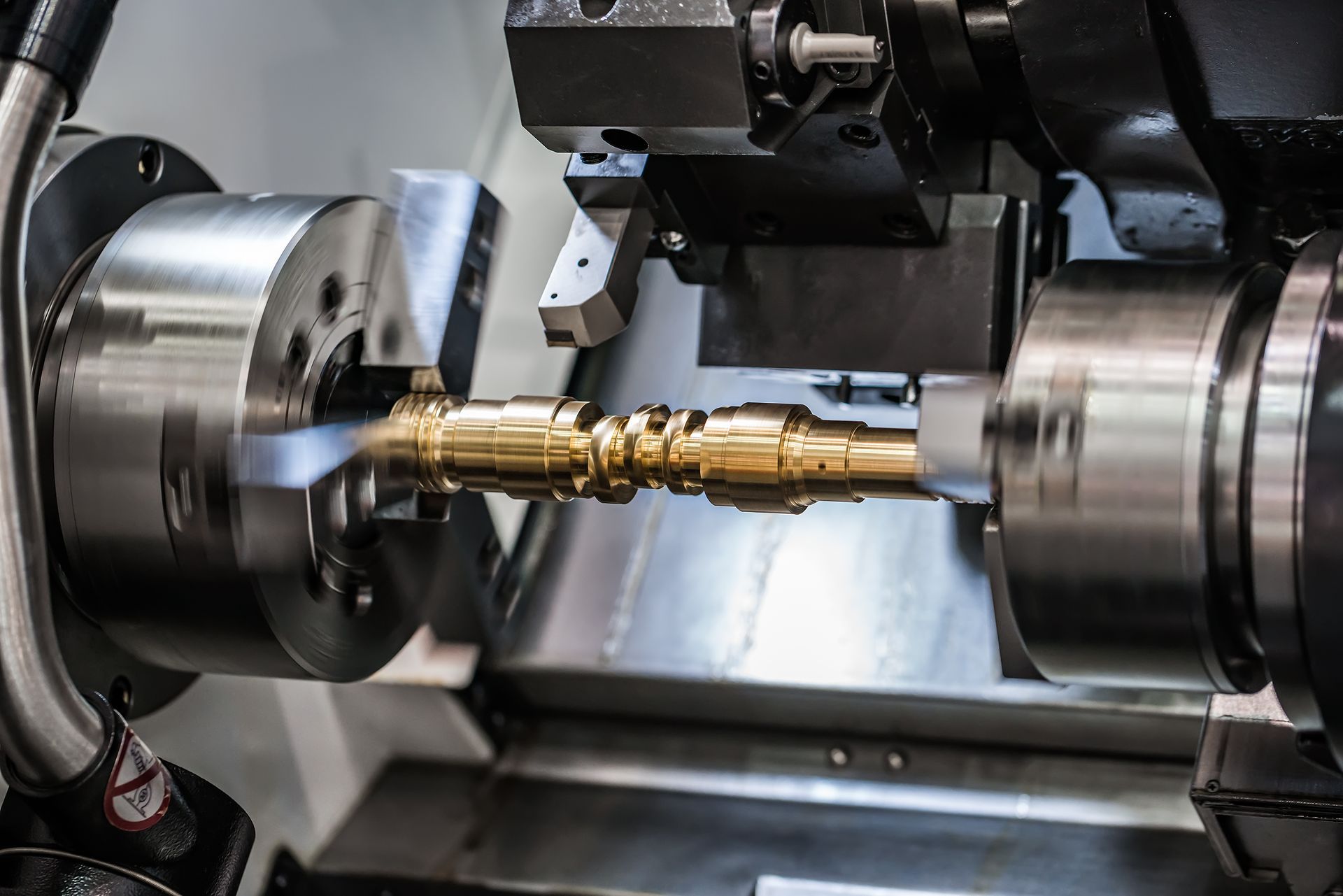

Centerless Grinding 101: How It Works and Why It’s Essential for Precision Bars
Precision determines performance in stainless steel manufacturing. Whether building hydraulic cylinders, food-processing equipment, pumps, marine components, or OEM assemblies, the quality of stainless steel bar stock directly affects how parts fit, seal, rotate, and withstand long-term wear. The challenge for many manufacturers is sourcing stainless bars that meet strict requirements for straightness, roundness, and surface finish all qualities that depend heavily on the finishing process..
That’s where centerless grinding comes in. It’s one of the most important processes used to produce stainless steel bars for precision applications and yet one of the least understood outside of fabrication and machining circles. Many buyers, engineers, and even fabricators know they “need centerless-ground bar,” but may not fully understand how the process works or why it produces such consistent results.
At
Action Stainless, centerless grinding is a core service that supports customers who rely on accurate, high-quality stainless bar stock. This guide covers the fundamentals of how centerless grinding works, why it’s different from other grinding methods, and why it has become an essential step in producing reliable stainless components.
What Is Centerless Grinding?
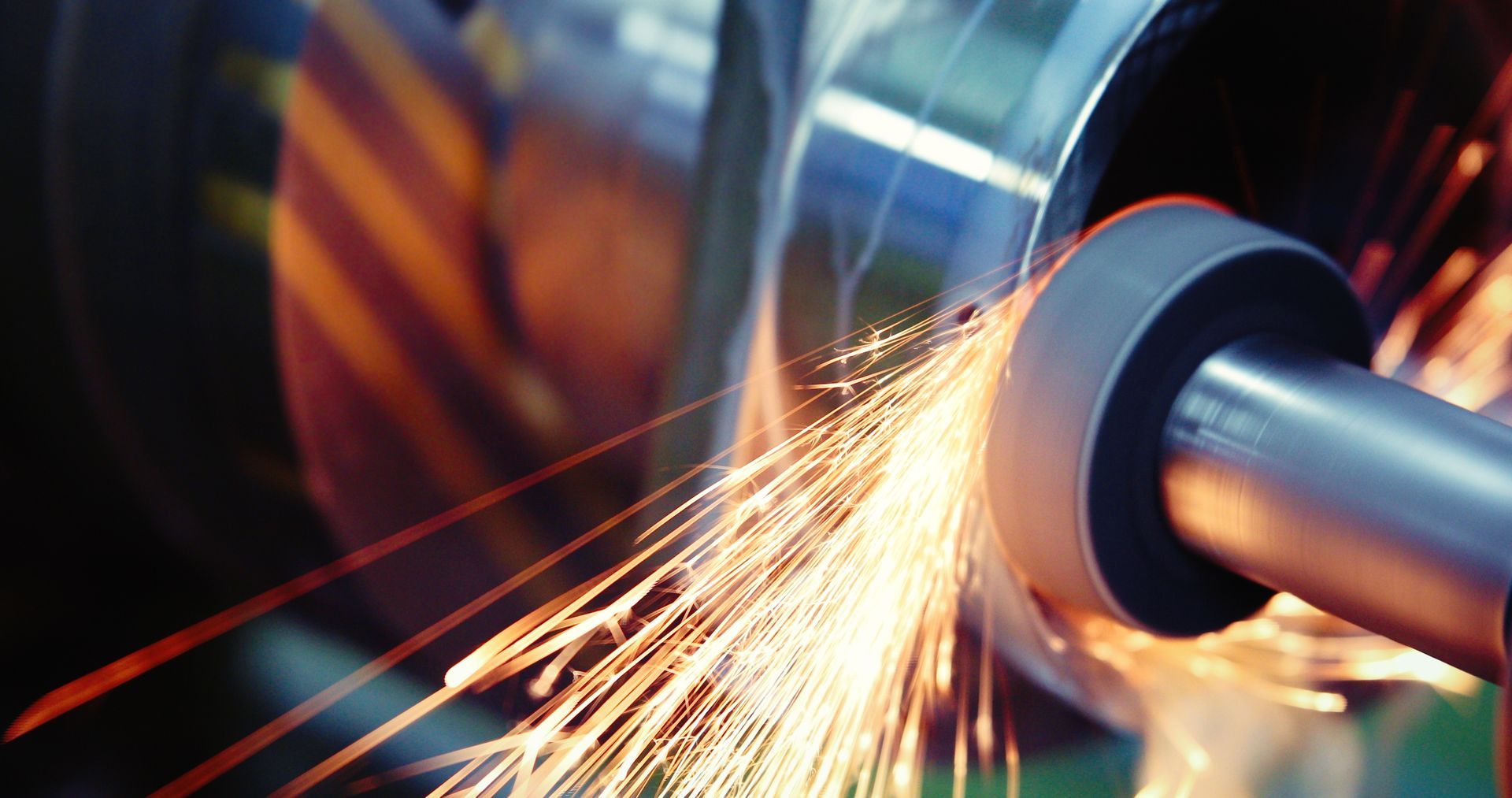
Centerless grinding is a precision finishing process used to remove material from stainless bar stock without the need for centers, chucks, or end fixtures. Unlike traditional cylindrical grinding, the bar is not held at the ends. Instead, it is supported along its entire length while rotating between two wheels a grinding wheel and a regulating wheel with a work rest blade positioned underneath.
This design eliminates deflection, reduces vibration, and allows long parts to be processed with exceptional accuracy. The result is stainless bar with consistent diameter, excellent straightness, and an improved surface finish suitable for high-performance applications.
Centerless grinding is especially valuable when manufacturing:
- Hydraulic rods
- Pump shafts
- Valve components
- Precision pins
- Marine shafts
- Parts requiring tight fits or smooth surfaces
Its efficiency and repeatability make it a preferred method for producing stainless bars at scale and with consistent quality.
How the Centerless Grinding Process Works
Centerless grinding might seem complex, but its mechanics follow a clear, controlled sequence. Understanding each component of the setup helps explain why the process is so effective.
| Component | Function | Role in Precision |
|---|---|---|
| Grinding Wheel | Removes material from the bar | Determines finish and tolerance |
| Regulating Wheel | Controls rotation speed and feed | Variable; operatoEnsures consistent roundness and pressurer-dependent |
| Work Rest Blade | Supports the bar between the wheels | Keeps the bar aligned and stable |
| Bar Rotation | Caused by regulating wheel friction | Produces even, uniform grinding along length |
Here’s how the process operates step-by-step:
1. The Bar Is Placed on the Work Rest Blade
The stainless bar sits slightly above the centerline between the wheels. This angle helps generate downward pressure from the grinding wheel, minimizing chatter and vibration.
2. The Regulating Wheel Controls Rotation
While the grinding wheel removes material, the regulating wheel determines how quickly the bar turns and how fast it feeds through the machine. This allows extremely precise control over removal rates.
3. The Grinding Wheel Removes Material
As the bar rotates, the grinding wheel shapes it to the exact diameter required. Because grinding pressure is distributed evenly across the bar’s length, the resulting part is extremely round and straight.
4. Continuous Material Removal
Unlike turning or clamping operations, centerless grinding allows long bars to be processed continuously. This eliminates the risk of tapering, bowing, or inconsistent sizing due to shifting clamps.
5. The Finished Bar Exits with a Smooth, Uniform Surface
The bar emerges from the machine with improved diameter accuracy, straightness, and surface finish ready for machining, polishing, or direct installation.
This streamlined process is what makes centerless grinding so efficient and so reliable for high-precision stainless bars.
Why Centerless Grinding Matters for Stainless Steel Fabrication
Stainless steel is known for its toughness, corrosion resistance, and strength all excellent for performance, but challenging during machining. Bar stock that isn’t perfectly straight or round can cause:
- Seal failure
- Bearing misalignment
- Uneven wear
- Vibration
- Machining difficulty
- Poor part fit
Centerless grinding solves these problems by preparing stainless bars to an extremely controlled diameter and shape before additional fabrication steps occur.
At
Action Stainless, centerless grinding is used to achieve the dimensional and surface properties required for high-precision stainless components. This ensures every bar meets the expected performance standards before it undergoes machining or assembly.
Differences Between Centerless Grinding and Conventional Grinding
While both processes remove material, they operate very differently.
Traditional Cylindrical Grinding
Cylindrical grinding clamps the bar at each end, rotating it against a grinding wheel. This method works well for short components but creates challenges for long bars due to bending and vibration.
Centerless Grinding
Centerless grinding supports the bar continuously, allowing for:
- No deflection
- No need for centers
- Higher precision
- Faster throughput
This makes it the ideal process for stainless shafting, rods, and round components used in industrial or sanitary applications.
Key Advantages of Centerless Grinding
Centerless grinding offers several advantages that directly affect part quality and production efficiency. These benefits explain why the method is so widely used for stainless bars.
1. Outstanding Diameter Accuracy
Centerless grinding consistently produces stainless bars with tight dimensional tolerances, which is essential when parts must fit precisely within seals, cylinders, or mechanical assemblies.
2. Superior Straightness and Roundness
Because the bar is supported uniformly, it remains straight throughout the grinding process. The result is minimal runout and excellent roundness qualities impossible to achieve with manual or clamped grinding on long bars.
3. Excellent Surface Finish
The process generates a smooth, non-directional finish that improves:
- Wear resistance
- Corrosion resistance
- Seal performance
- Bearing contact
- Component longevity
For many applications, the ground finish reduces or eliminates the need for additional polishing.
4. High Efficiency and Throughput
Centerless grinding operates at high speeds with continuous feeding, making it ideal for medium- and high-volume stainless bar production. It reduces processing time and improves consistency across large batches.
5. Compatibility with Many Stainless Grades
Centerless grinding works well on a variety of stainless alloys, including:
- 304/304L
- 316/316L
- 17-4PH
- 410, 420, 440C
- Duplex grades
This flexibility allows Action Stainless to process material for food service, marine, energy, pressure systems, and general manufacturing.
Centerless Grinding at Action Stainless
Centerless grinding is one of the core services available at Action Stainless’s facility. Integrated with in-house cutting, machining, and polishing, it allows customers to receive stainless bars that meet exact specifications all from one source.
The benefits of this integration include:
- Controlled tolerances across all stages
- Reduced material handling
- Shorter lead times
- Consistent quality from raw bar to finished component
- Reliable documentation and traceability
Whether customers need a single precision-ground shaft or high-volume bar production, Action Stainless ensures each bar meets its required specifications for straightness, accuracy, and surface condition.
Is Centerless Grinding Essential for Your Application?
Centerless grinding is highly recommended when:
- Precise diameter control is required
- Bars will be used in bearings, cylinders, or fluid systems
- Surface finish impacts sealing or wear
- Half-thousandth tolerances matter
- Long bars must remain extremely straight
- Stainless components require consistent performance across batches
If performance, repeatability, and reliability are priorities, centerless grinding is almost always the superior finishing method.
Conclusion
Centerless grinding is one of the most efficient and precise ways to finish stainless steel bars. Its ability to control diameter, straightness, and surface finish makes it essential for industries that depend on reliable stainless components.
By offering centerless grinding in-house, Action Stainless provides customers with a dependable source of precision-ground stainless bars that meet demanding engineering, machining, and assembly requirements. From hydraulic shafts to marine components, precision begins with properly prepared stainless bar and centerless grinding is the foundation that makes it possible.
FAQs: Centerless Grinding & Precision Stainless Bars
What is centerless grinding?
A precision grinding method where the bar is supported along its length and ground without centers, producing accurate diameters and excellent straightness.
Why is centerless grinding important for stainless bars?
It ensures consistent sizing, roundness, and surface finish critical factors for hydraulic, mechanical, and industrial applications.
What stainless grades can be centerless-ground?
Common grades include 304, 316, 17-4PH, duplex alloys, and martensitic grades such as 410 or 440C.
Does centerless grinding improve surface finish?
Yes the process produces a uniform, smooth finish that enhances wear resistance and reduces friction.
Can Action Stainless provide ground bar cut to length?
Yes. Bars can be cut, ground, polished, and prepared for machining or assembly within the same facility.