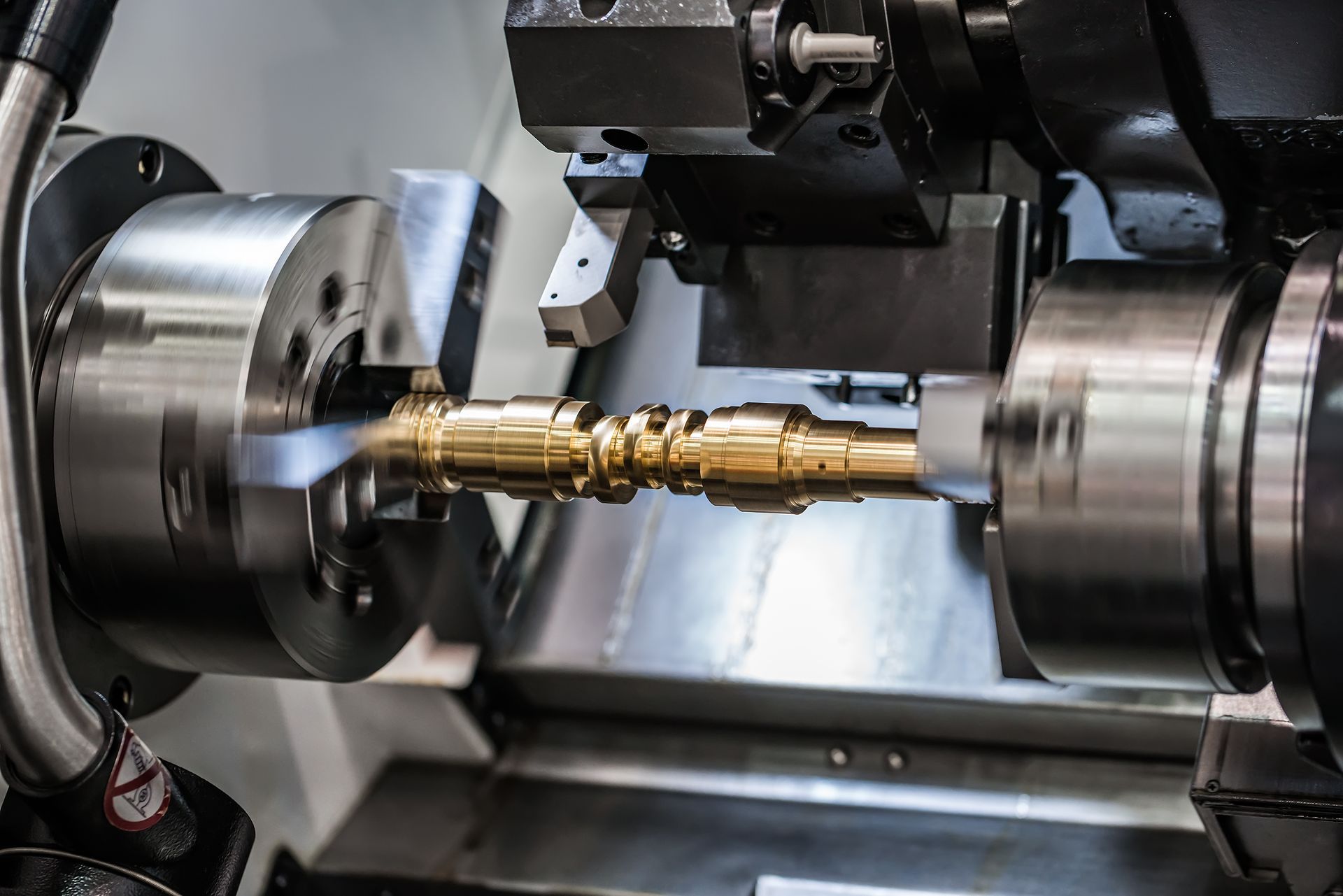

Centerless Grinding vs Polishing: Removing Material vs Smoothing Surfaces
Precision finishing is one of the most important steps in stainless steel fabrication. Whether a component will be used in a hydraulic cylinder, pump assembly, marine system, food-processing line, or a custom OEM application, the way its surface is prepared directly affects performance. Two finishing methods often appear side by side in stainless steel manufacturing centerless grinding and polishing and while both improve the exterior of stainless bars, they serve very different roles.
At
Action Stainless, these processes are offered in-house to give customers full control over dimensional accuracy and surface appearance. Centerless grinding establishes the correct diameter, roundness, and straightness of a stainless bar. Polishing takes that surface and enhances it aesthetically and functionally, providing smoothness, uniformity, and improved cleanability. Choosing the right process depends on whether the goal is precision tolerances or a refined surface finish or both.
Understanding What Centerless Grinding Achieves
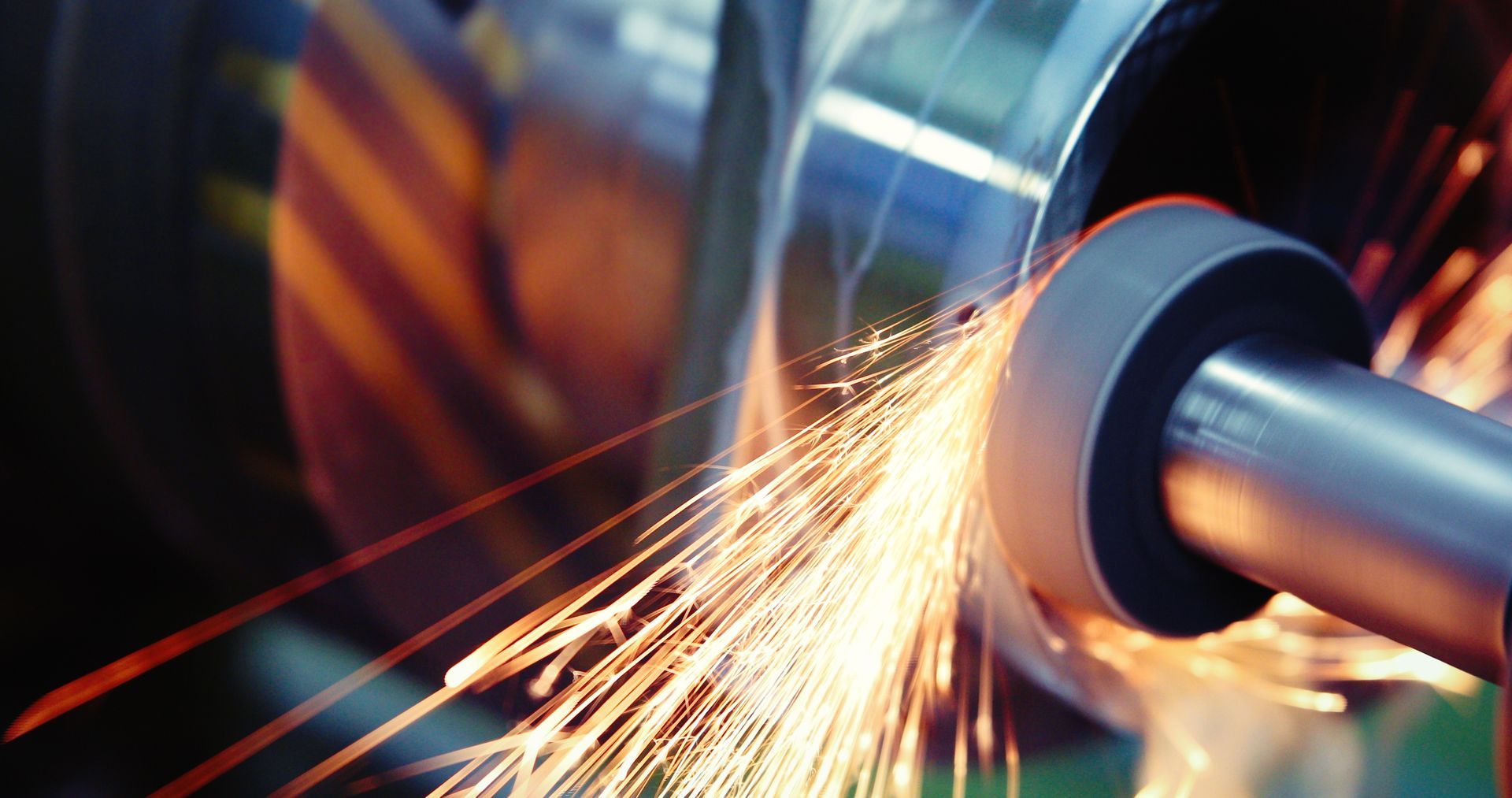
Centerless grinding is a true precision process. Rather than positioning the bar between centers or chucks, the bar is supported along its entire length on a work-rest blade as it rotates between two wheels: a grinding wheel and a regulating wheel. This support system helps eliminate deflection, vibration, and inconsistent pressure all of which are challenges when machining long stainless bars through conventional methods.
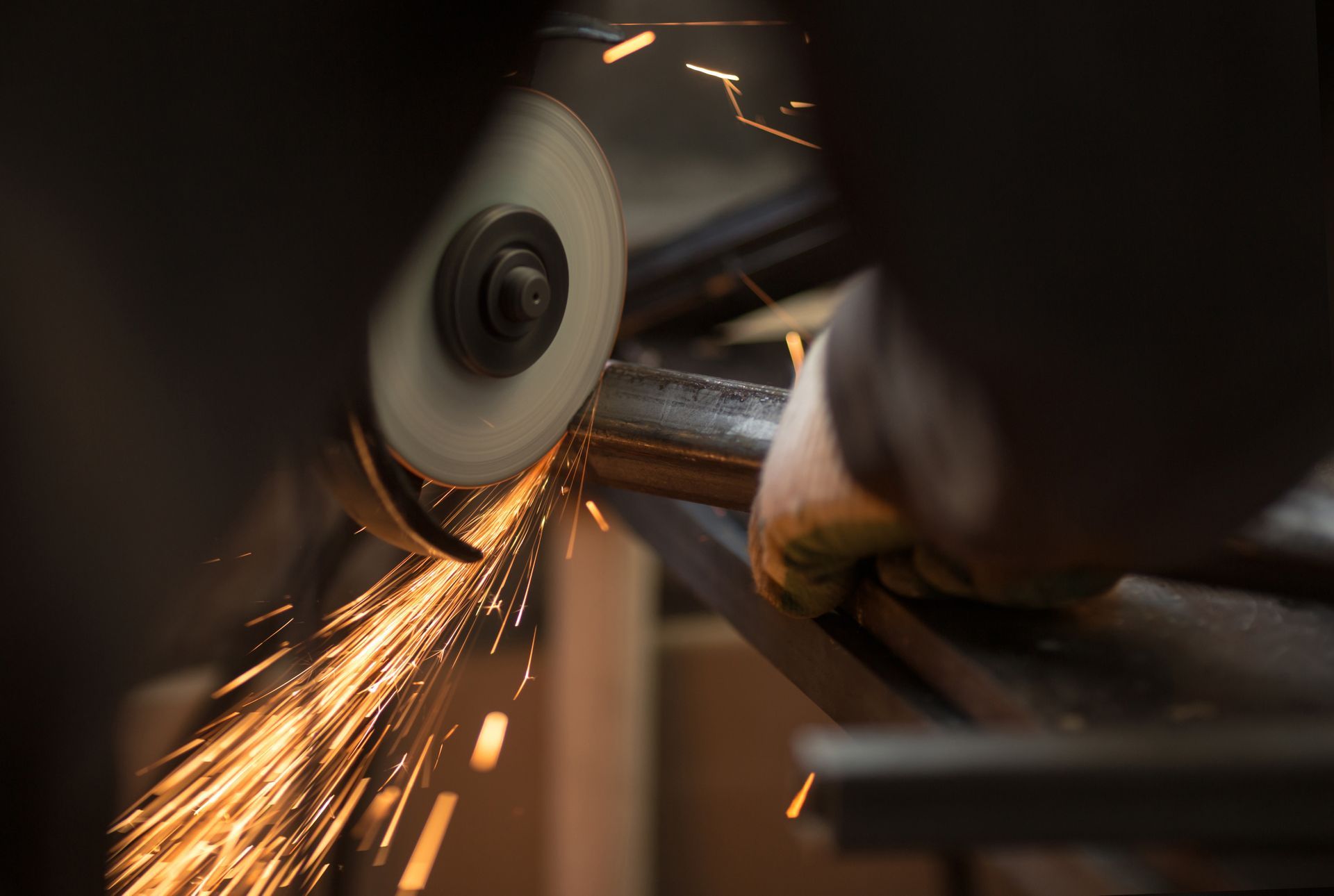
Centerless grinding is used when a stainless bar must meet strict tolerances for size, straightness, and roundness. It also removes minor surface imperfections caused by rolling, drawing, or previous machining steps. Because grinding removes material with accuracy measured in thousandths of an inch, the process is essential for parts that will interface with seals, bearings, bushings, linear motion systems, or honed cylinders.
For example, hydraulic cylinder rods require highly consistent outer diameters to seal properly. Pump shafts must rotate with minimal runout. Precision pins and dowels must slide into assemblies with predictable clearance. In each of these cases, the quality of the external diameter influences the entire system’s reliability. That’s why centerless grinding is one of the core services offered at Action Stainless, it delivers the precision backbone needed for demanding stainless applications.
Understanding What Polishing Achieves
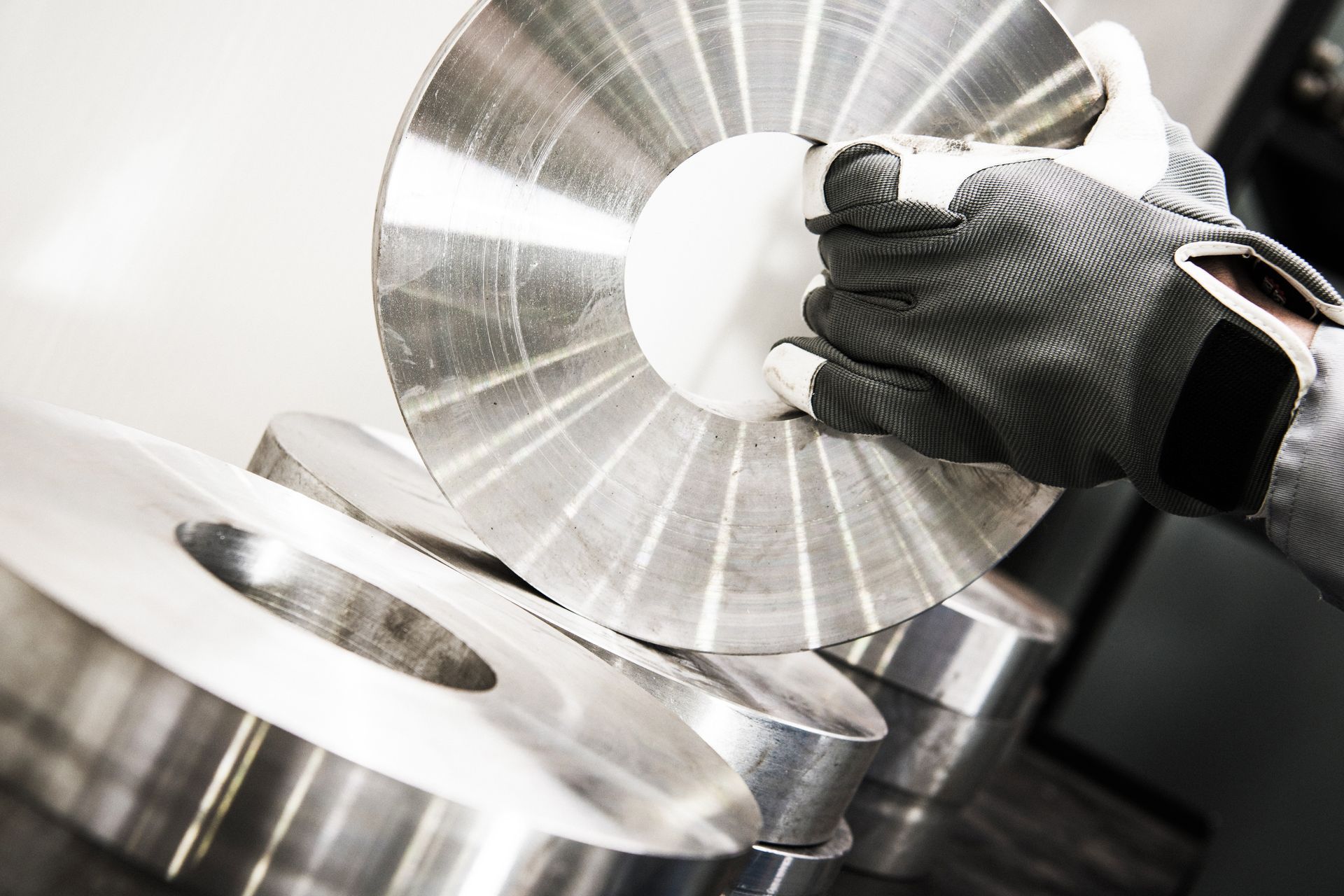
Polishing, by contrast, is not a material-removal process in the same sense. While some microscopic material is removed as abrasives smooth the metal’s surface, polishing is designed primarily to refine appearance, cleanliness, and surface texture. It creates a uniform, visually clean finish that enhances both performance and aesthetics, especially in environments where stainless must remain sanitary or visually appealing.
Polished stainless is common in food processing, pharmaceutical systems, architectural features, commercial kitchens, and marine components. In these industries, smooth surfaces resist buildup, clean easily, and offer better corrosion resistance. Polishing also improves reflectivity and appearance, which is important for finished stainless parts intended for visible installation.
At Action Stainless, polishing is often combined with grinding when both precision and smoothness are required in the final product. Some customers need only a functional grind finish, while others require a polished bar that is both dimensionally accurate and cosmetically refined.
Why Polishing and Grinding Are Not Interchangeable
Although both processes involve abrasives, they are fundamentally different. Grinding is about geometry setting the correct diameter, correcting roundness, improving straightness, and meeting tolerance. Polishing is about surface refinement producing a smooth, uniform exterior that looks clean and performs well in sanitary or corrosive environments.
A bar that is polished but not ground may still be out of tolerance. A bar that is ground but not polished may meet tolerances but may not meet appearance or hygiene requirements. Many components require both, but they occur at different stages and for different reasons.
How Grinding and Polishing Work Together at Action Stainless
In many projects, the two processes form a natural sequence. A stainless bar is first ground to its correct size and final dimension, then polished to achieve the required appearance or finish quality. This approach ensures the bar not only performs mechanically but also meets the visual or functional expectations of its end use.
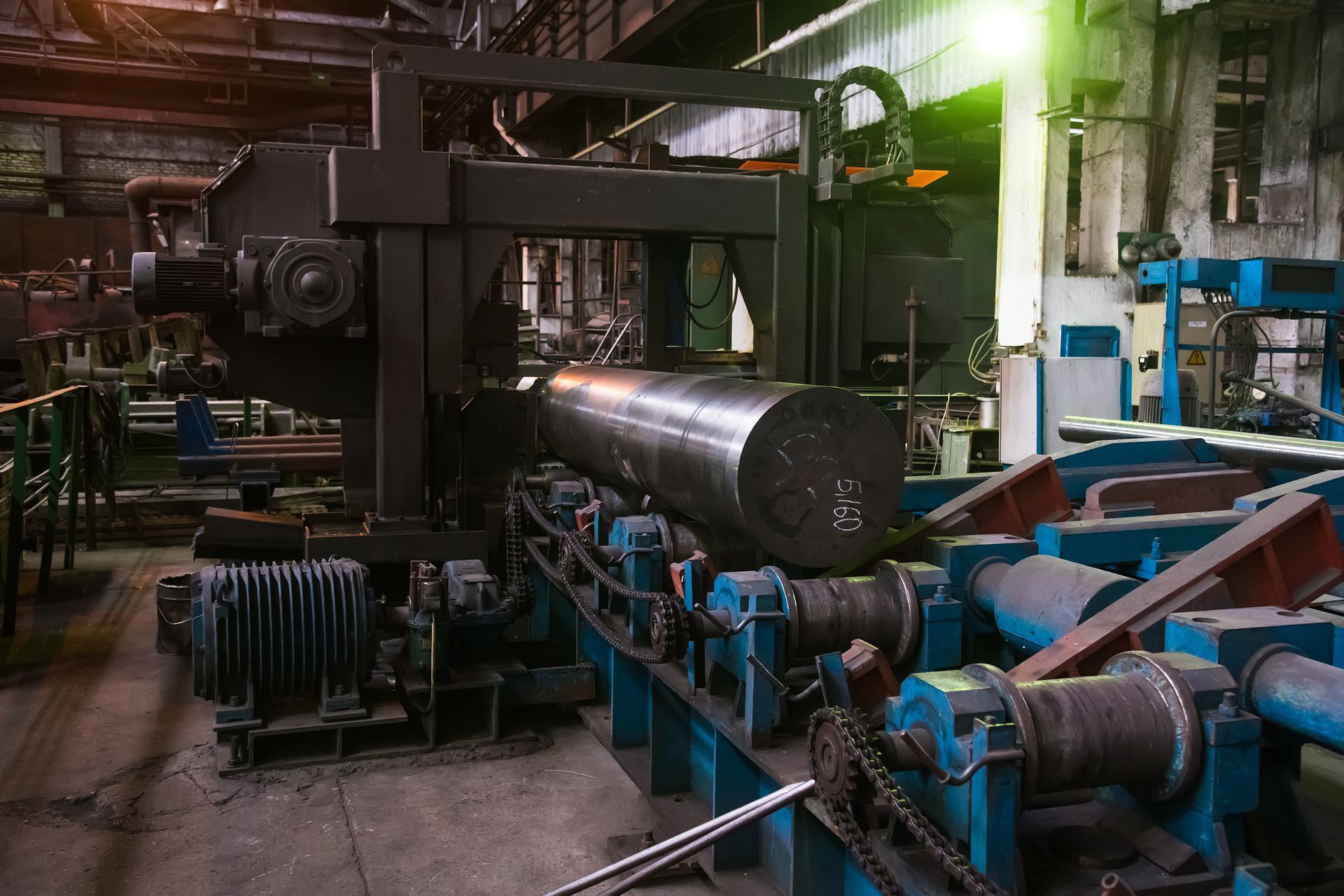
Because Action Stainless performs both centerless grinding and polishing in the same facility, the workflow is efficient and tightly controlled. Materials remain within one continuous process from cutting, to grinding, to polishing which minimizes handling, reduces lead time, and eliminates inconsistencies that can occur when operations are split across multiple vendors.
This integrated approach is especially helpful for industries where precision and finish must work together. Food-processing rollers, pump shafts, stainless guide rods, architectural trim, and marine hardware all benefit from having both correct dimension and clean, polished presentation.
Grinding vs Polishing: Key Differences
| Factor | Centerless Grinding | Polishing |
|---|---|---|
| Primary Purpose | Material removal to achieve diameter, straightness, and roundness | Surface refinement for appearance and cleanliness |
| Material Removal | Yes, controlled and measurable | Minimal; focuses on texture |
| Tolerance Capability | Very high | Does not establish tolerance |
| Surface Result | Functional precision finish | Smooth, uniform, aesthetic finish |
| Best Use Case | Hydraulic shafts, pump shafts, precision bars | Food processing, architectural, sanitary applications |
This comparison shows that grinding creates the functional precision, while polishing creates the refined surface that enhances performance and appearance.
Why Grinding Comes Before Polishing
Grinding sets the dimensional foundation. It corrects shape, size, and straightness before the final surface is refined. Attempting to polish first would result in wasted effort because the polishing finish would be removed during grinding. By performing grinding first, Action Stainless ensures that the final polished surface is uniform, stable, and built upon an accurate geometry.
This order also means that polished stainless bars from Action Stainless begin with a precision-ground core, giving customers both dimensional reliability and visual refinement.
How Polishing Enhances Performance
Polishing often appears to be cosmetic, but it plays an important functional role. A smoother surface helps resist corrosion by reducing crevices where moisture, chemicals, or contaminants can settle. This is especially important in food-processing and marine environments, where stainless steel must remain clean and resilient.
Polished surfaces also slide more smoothly, create less friction, and hold up better under repeated cleaning cycles. Even when bar stock will undergo further machining or fabrication, beginning with a polished bar ensures a cleaner, more uniform starting point.
How Grinding Enhances Mechanical Accuracy
Grinding directly influences the mechanical function of the part. By refining the diameter, straightness, and roundness, the process improves the part’s stability during operation. For example, a stainless shaft that is slightly out of round may cause uneven motion or vibration, while one that is not straight may wear seals prematurely.
Centerless grinding corrects these issues, helping produce stainless bars that perform consistently under pressure, rotation, or continuous load.
At Action Stainless, grinding is used to prepare stainless bars for machining, polishing, or direct installation. This improves results across a wide range of applications, from hydraulic equipment to OEM assemblies.
Material Compatibility
Both processes are compatible with many stainless grades, including 304, 316, 17-4PH, duplex stainless, and various martensitic grades. The grinding approach changes depending on hardness and heat sensitivity, while polishing adjusts depending on the required final surface quality. Action Stainless tailors each operation to the grade and specification, ensuring stable results.
Choosing the Right Process
Choosing between grinding and polishing depends on the application. If the bar must meet a specific diameter, hold a tolerance, or interface with a seal or bearing, grinding is essential. If the surface must be smooth, clean, and visually refined, polishing is the correct choice. Many applications require both precision first, refinement second and Action Stainless provides this combination efficiently in one facility.
Conclusion
Precision stainless components depend on both dimensional accuracy and surface quality. Centerless grinding gives the bar its mechanical correctness, while polishing provides the smoothness and appearance many industries require. Action Stainless offers both services in-house, allowing customers to receive stainless bars that are properly sized, properly finished, and ready for machining or installation.
To check availability or request a quote for precision ground or polished stainless bar, visit https://www.actionstainless.com and connect with the team.
FAQs: Centerless Grinding vs Polishing
What is the difference between grinding and polishing?
Grinding removes material to establish the correct diameter and geometry. Polishing smooths the surface without significantly changing size.
Does Action Stainless offer both services?
Yes. Centerless grinding and bar polishing are performed in-house.
When is grinding required?
When the part needs precision tolerances, straightness, or improved roundness.
When is polishing required?
When the surface must be visually smooth, easy to clean, or corrosion resistant.
Can polishing be done without grinding?
It can, depending on the application, but it will not correct geometry or tolerances.