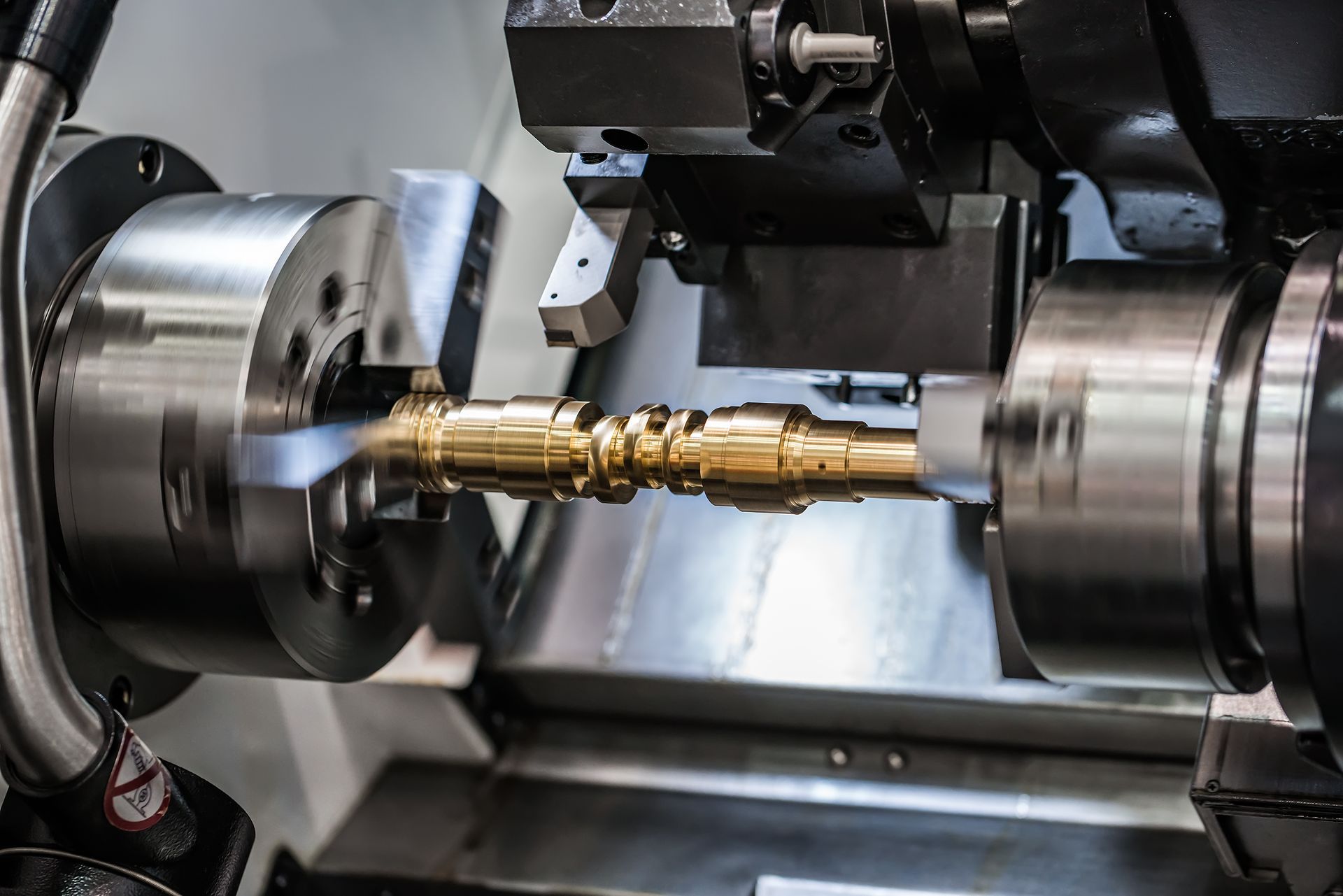

Precision Ground Bar vs Standard Bar Stock: Why Precision Matters in Metal Bars
Stainless steel bar stock comes in several forms, and while many options look similar at first glance, the differences can be dramatic once machining, assembly, or system performance come into play. For manufacturers who rely on stainless components in hydraulic systems, pumps, food-processing lines, marine equipment, and motion-control assemblies, the quality of the bar stock directly impacts reliability.
Two common material choices standard bar stock and precision ground bar serve different purposes. Standard bar stock, whether hot-rolled or cold-drawn, is widely used across general manufacturing. Precision ground bar, however, is designed for applications where straightness, roundness, surface finish, and dimensional accuracy are critical.
At
Action Stainless, precision ground bar is produced in-house using centerless grinding. This allows customers to get stainless bars that meet strict specifications for dimensional accuracy, finish, and performance. To understand why precision matters so much, it helps to compare these materials side by side.
Understanding Standard Bar Stock
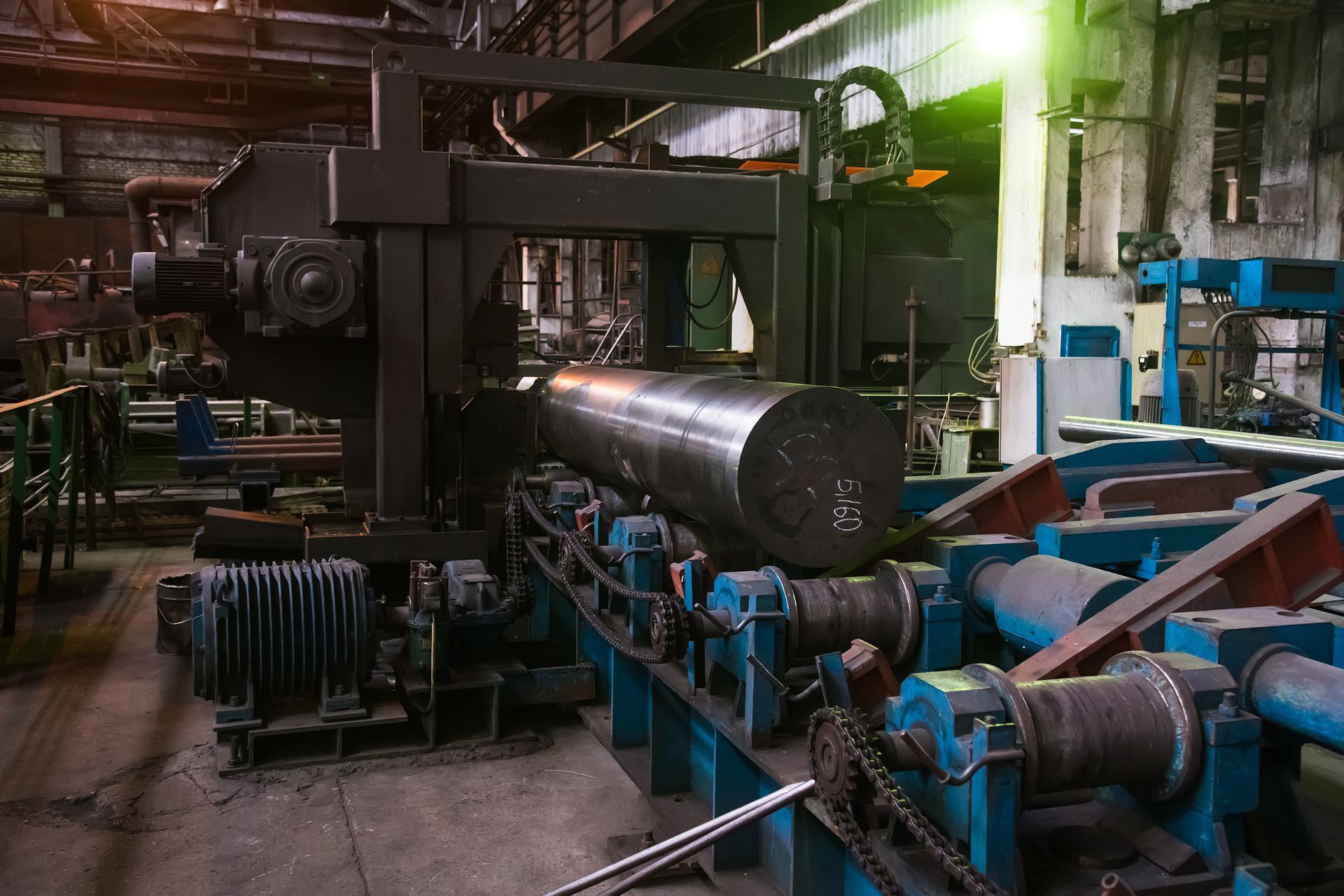
Standard stainless bar stock is typically supplied in either hot-rolled or cold-drawn condition. Hot-rolled bar is produced at high temperatures and cooled naturally, which can leave minor surface scale, loose dimensional tolerances, and a rougher exterior. Cold-drawn bar improves on these characteristics by pulling material through dies at room temperature, resulting in a smoother surface and slightly better tolerances.
However, even cold-drawn material can still have minor variations in roundness, diameter consistency, and straightness. Over long lengths, this variation becomes more noticeable. Many applications do not require extreme accuracy, making standard bar stock a cost-effective option. But for high-performance components, these variations can cause problems during machining or assembly.
What Defines Precision Ground Bar
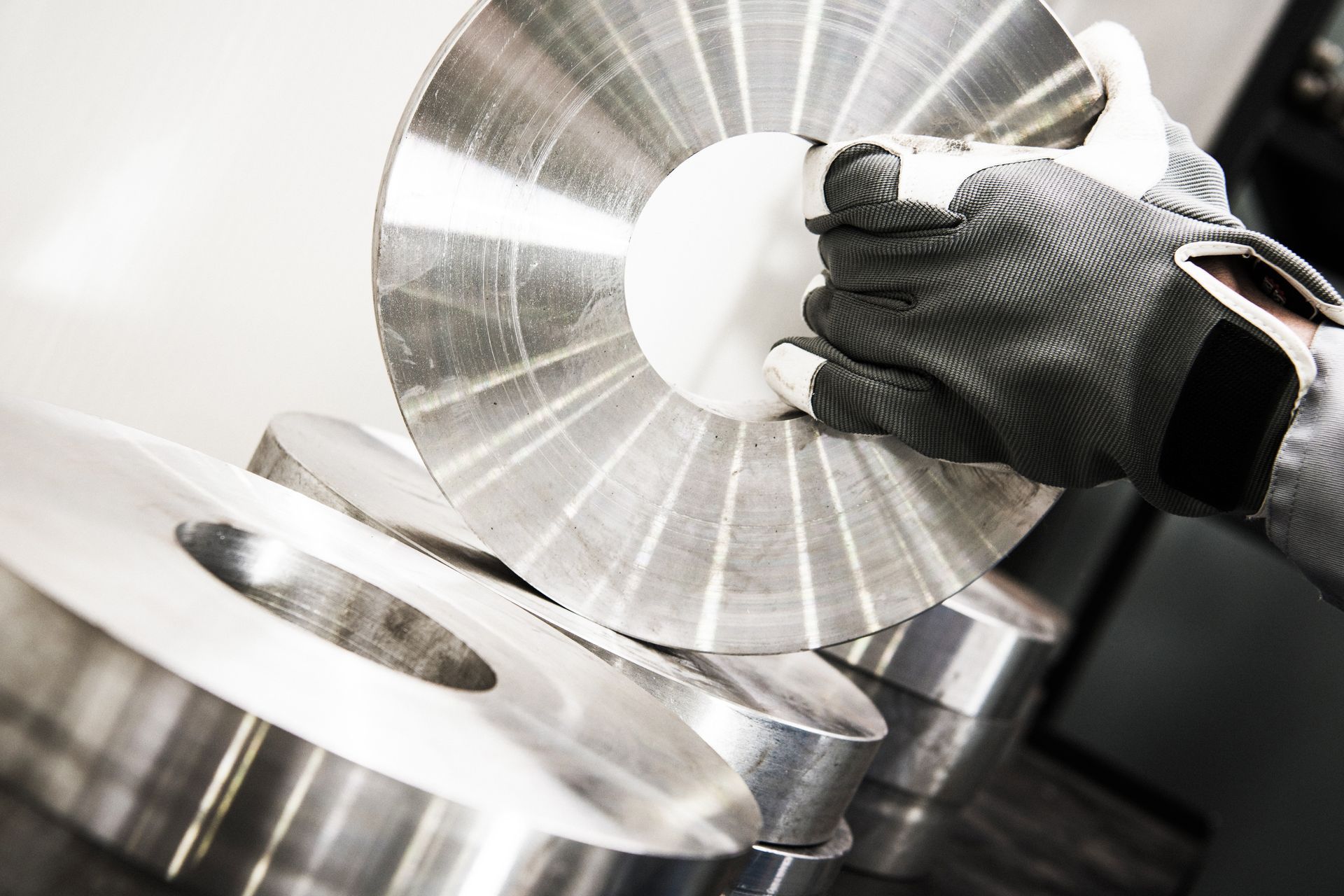
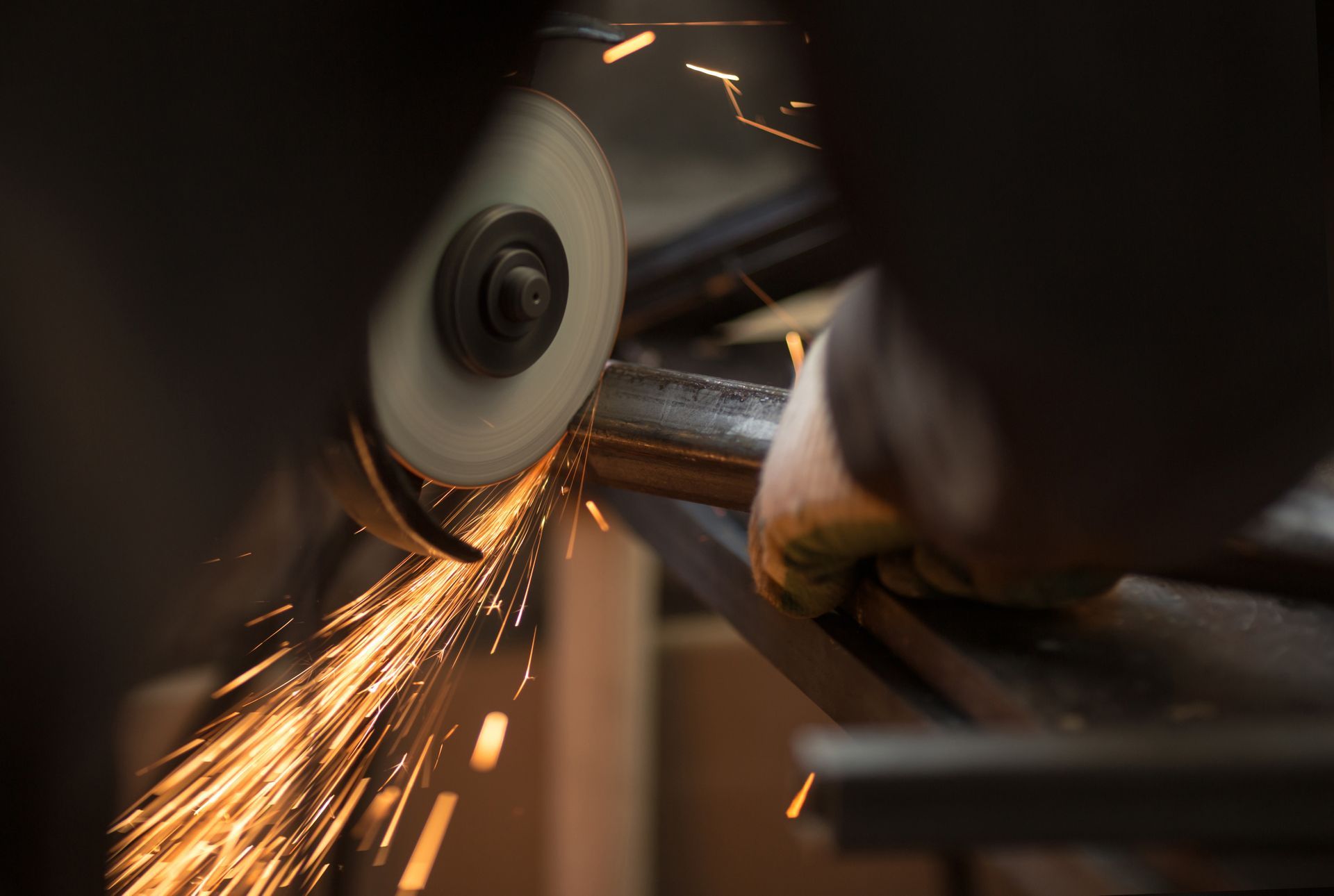
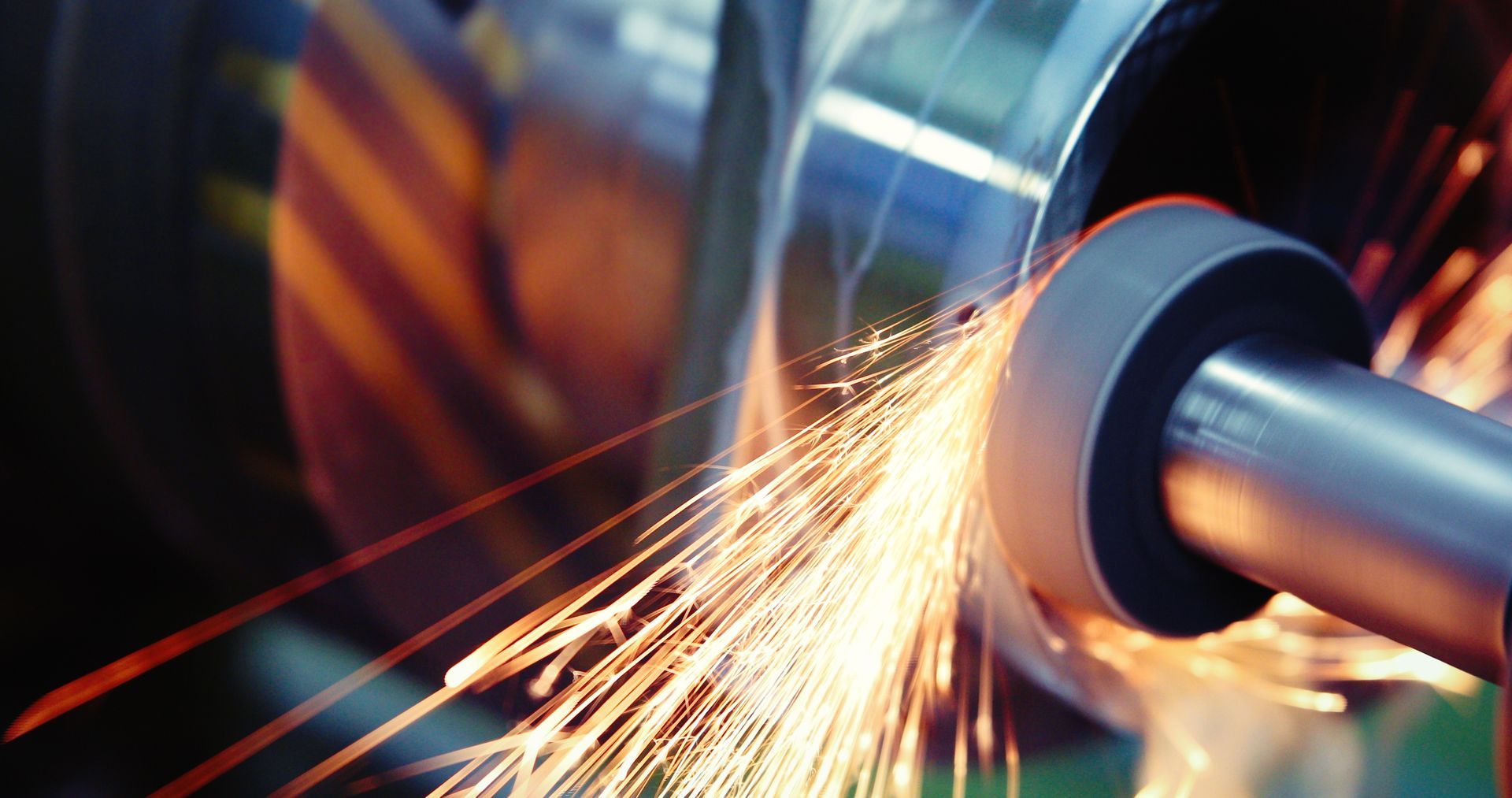
Precision ground bar is produced by removing small amounts of material along the entire length of a stainless bar through a centerless grinding process. This method produces exceptionally consistent diameter, roundness, and straightness. The grinding wheel and regulating wheel control how the bar rotates and feeds, while the work-rest blade supports the bar evenly. The result is stainless material that meets far tighter tolerances than typical mill-run stock.
Because precision ground bar starts closer to the final dimension, it supports faster machining, better fit in assemblies, smoother operation inside bearings and seals, and longer component life.
Comparing Standard Bar vs. Precision Ground Bar
| Property | Standard Bar Stock | Precision Ground Bar |
|---|---|---|
| Diameter Tolerance | Mill tolerances, wider variations | Highly consistent, tight tolerance control |
| Surface Condition | Rougher, may show die marks | Smooth, uniform, polished appearance |
| Roundness | Ovality possible | Excellent roundness across full length |
| Straightness | May show slight bow | Very straight due to controlled grinding |
| Machining Efficiency | More tool wear and variability | Faster machining, less wear, predictable quality |
| Performance | Good for general use | Ideal for hydraulic, marine, and precision systems |
| Post-Processing Needs | Often requires cleanup | Often ready for machining or assembly |
This comparison shows the gap between the two materials and why the difference matters so much once the bar is used in a real system.
Why Precision Matters in Stainless Bars
When stainless steel bars function as the backbone of a mechanical or hydraulic system, precision is non-negotiable. Variations in diameter or roundness cause vibration, uneven wear, seal failure, or premature fatigue. For pressure-bearing or rotating components, a few thousandths of an inch can mean the difference between smooth operation and downtime.
Precision ground bar provides the dimensional stability these systems need. By starting with a bar that is straight, round, and accurate, manufacturers avoid issues that arise from inconsistent material.
This precision is especially important for assemblies such as hydraulic cylinders, where the bar interfaces with seals and bearings. Even small surface imperfections can cause leaks, friction, or scoring. Precision ground bar minimizes these risks by providing predictable, controlled dimensions.
Straightness Makes a Difference
Straightness is one of the most crucial yet overlooked characteristics of stainless shafts. A bar with slight curvature may not be noticeable visually, but once installed in a rotating or sliding mechanism, even small deviations create unwanted forces.
Centerless grinding naturally improves straightness by applying steady, even pressure across the bar’s length. When combined with proper cutting and handling practices, the resulting bar is far easier to machine and integrate into precision assemblies.
This is especially valuable for long hydraulic rods, marine shafts, or pump components that must remain perfectly aligned to maintain performance.
Roundness and Diameter Consistency
Standard bar stock may vary slightly in cross-sectional shape due to rolling or drawing forces. These variations are acceptable for general fabrication work but can cause issues in applications requiring a tight mechanical fit.
Precision ground bar achieves true roundness and consistent diameter along the full length. This helps ensure:
- Better fit within bearings
- Less vibration
- Improved seal performance
- More accurate machining outcomes
Because the bar’s geometry is consistent, downstream processes remain predictable — reducing scrap and increasing efficiency.
Surface Finish and Performance
A smooth surface is essential for sliding, sealing, or rotating components. Rougher surfaces create friction, increase wear, and reduce efficiency. Precision ground bar offers a refined finish that enhances corrosion resistance and extends component life.
Better finish also supports faster machining, as tools interact with a more uniform surface. This reduces tool wear and helps maintain tighter tolerances.
Action Stainless can also polish precision ground bars when end-use environments require both appearance and performance such as food processing, sanitary systems, or architectural applications.
Material Versatility
Precision ground bar is commonly produced from a wide range of stainless grades, including:
- 304 / 304L
- 316 / 316L
- 17-4PH
- Duplex stainless
- Martensitic stainless grades
Because these grades vary in hardness and machinability, the grinding process must be controlled to achieve the desired finish without overheating or damaging the material. Action Stainless applies appropriate grinding techniques for each alloy, ensuring consistency regardless of grade.
Improved Machining and Fabrication Efficiency
Machinists appreciate precision bar because it makes their work more predictable. With a consistent surface and reliable diameter:
- Setup becomes faster
- Final dimensions are easier to achieve
- Surface-driven tolerance stack-up is reduced
This contributes to lower machining time, less rework, and more predictable part quality.
Precision ground bar also supports downstream operations like polishing, drilling, threading, slotting, and turning. When raw stock begins closer to the final dimension, the overall manufacturing cycle shortens.
Why Choose Precision Ground Bar from Action Stainless
Action Stainless integrates the entire workflow cutting, grinding, and polishing under one roof. This provides several advantages:
- Controlled quality from raw material to finished bar
- Consistent tolerances across batches
- Reduced lead times
- Less material handling
- Reliable documentation through MTRs
- Ability to support both prototype and repeat production orders
Because centerless grinding is performed in-house, Action Stainless ensures every bar meets the exact specifications required by the customer before it moves to machining or installation.
Get Precision Ground Bar You Can Trust
Precision matters especially when your stainless components must perform under pressure, rotation, or continuous load.
Whether you're building hydraulic cylinders, pump shafts, marine systems, or OEM assemblies, Action Stainless delivers precision ground bar with the straightness, roundness, and surface finish your equipment depends on.
FAQs: Precision Ground Bar vs. Standard Bar Stock
What’s the biggest difference between standard and precision ground bar?
Precision ground bar offers superior straightness, roundness, and surface finish due to controlled centerless grinding.
Does precision ground bar require additional machining?
It often requires less machining and produces more predictable results.
Which stainless grades are available as precision ground bar?
Action Stainless grinds common and specialty grades including 304, 316, 17-4PH, duplex, and martensitic stainless steels.
Is the surface finish better on precision ground bar?
Yes grinding produces a smoother, consistent finish ideal for sealing and wear surfaces.
Does Action Stainless cut and polish precision ground bar?
Yes. Cutting, grinding, and polishing are all performed in-house for consistent results.