
Combining CNC Turning and Centerless Grinding: Optimizing Production of Precision Parts
Producing high-quality stainless steel components requires precision at every stage. Whether manufacturing shafts, pins, bushings, valve stems, pump components, or other stainless parts, performance depends on accurate diameters, fine surface finishes, consistent roundness, and predictable machining results. To achieve this, manufacturers often rely on more than one fabrication method and two of the most complementary processes are CNC turning and centerless grinding.
At Action Stainless, both processes are performed in-house, allowing stainless bars and components to move directly from turning to grinding without leaving the facility. This combination streamlines production, reduces handling, improves accuracy, and ensures components meet tight specifications before they begin the next stage of fabrication or assembly.
Understanding how these two processes work together helps engineers, buyers, and machinists choose the most efficient and reliable path to producing precision stainless steel components.
Why CNC Turning and Centerless Grinding Work Well Together
CNC turning and centerless grinding accomplish different goals, but they complement one another perfectly. Turning shapes the part by removing bulk material and cutting features like shoulders, grooves, or tapers. Centerless grinding then refines the diameter, straightness, and finish, producing a final part with exceptional dimensional accuracy.
Using the two processes together allows manufacturers to:
- Rough or semi-finish turn a stainless bar
- Grind the final diameter to precise tolerances
- Achieve straightness, roundness, and finish not possible through turning alone
- Deliver predictable quality on repeat orders
At Action Stainless, this integrated workflow gives customers access to a complete machining and finishing process that supports both simple and complex stainless components.
Understanding CNC Turning
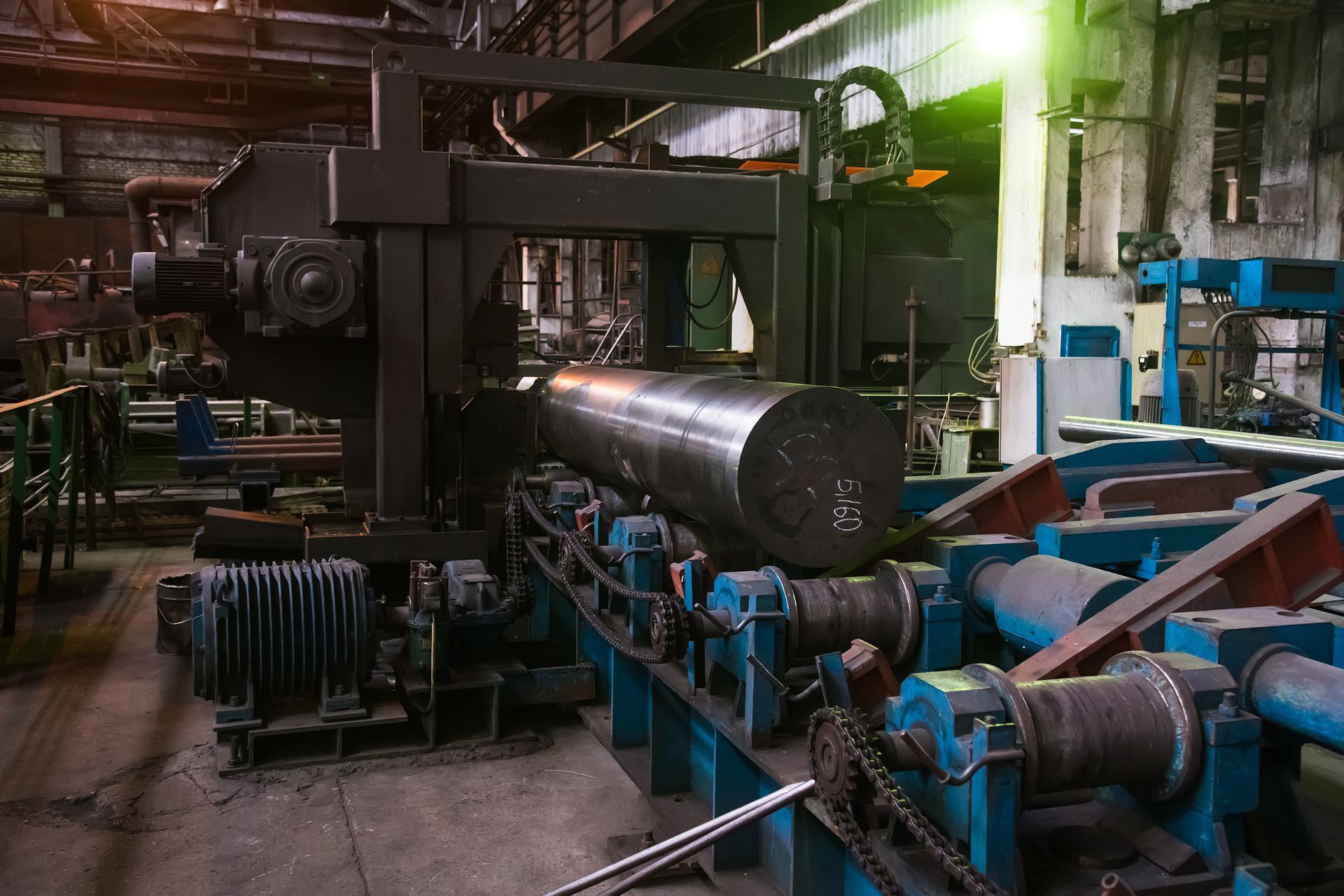
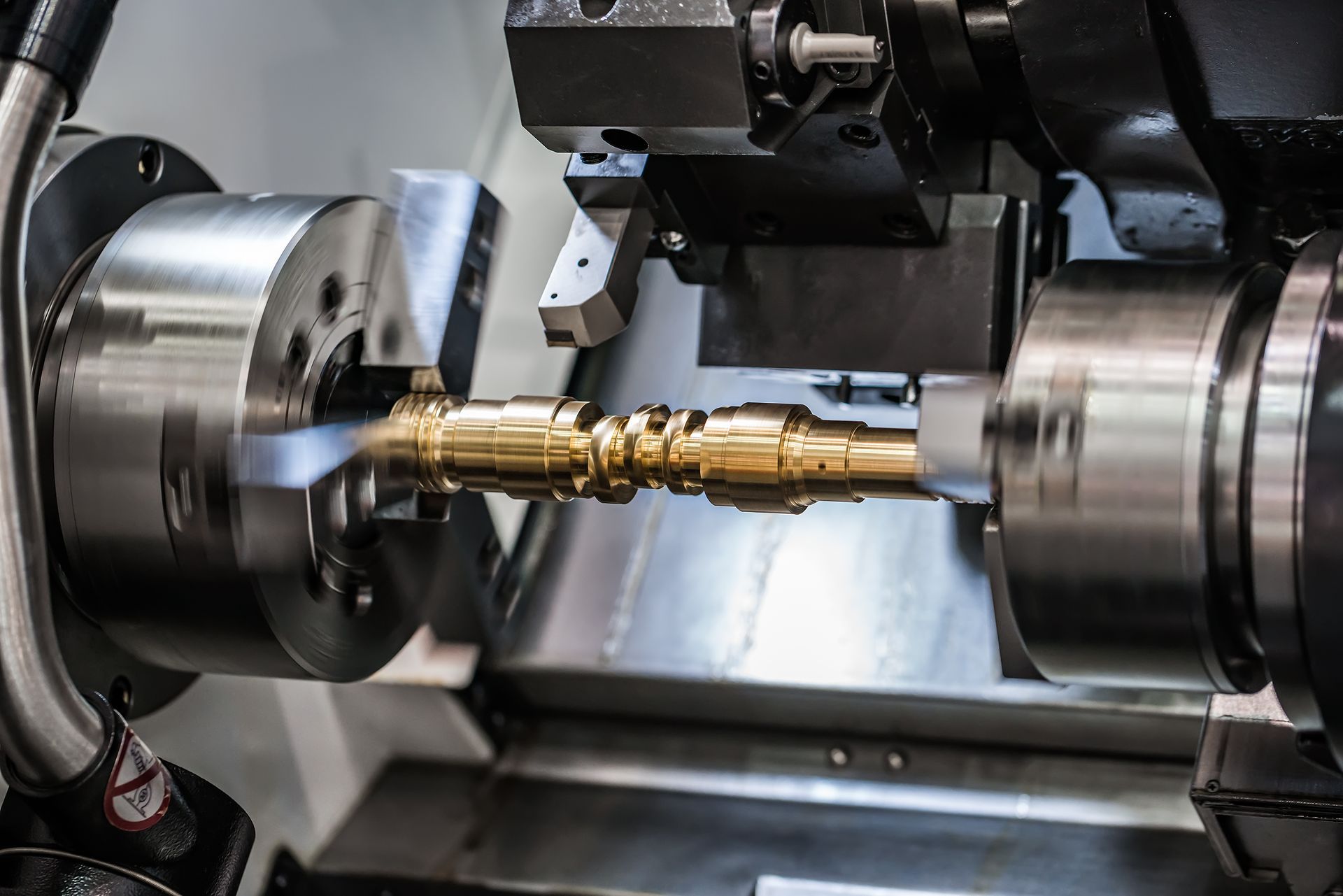
CNC turning uses a lathe to rotate the stainless bar while cutting tools remove material. This process is ideal for producing:
- Shoulders
- Steps
- Grooves
- Threaded sections
- Tapers
- Complex profiles
Turning is highly efficient for shaping the outer profile of the bar and achieving accurate geometry. It’s particularly effective at removing large amounts of material quickly, bringing a part close to its final diameter.
However, even the best CNC machines have limitations when it comes to:
- Long, slender shafts
- Extremely tight diameter tolerances
- Very fine surface finishes
- Correcting roundness or straightness issues in bar stock
These are areas where centerless grinding completes the process.
Understanding Centerless Grinding
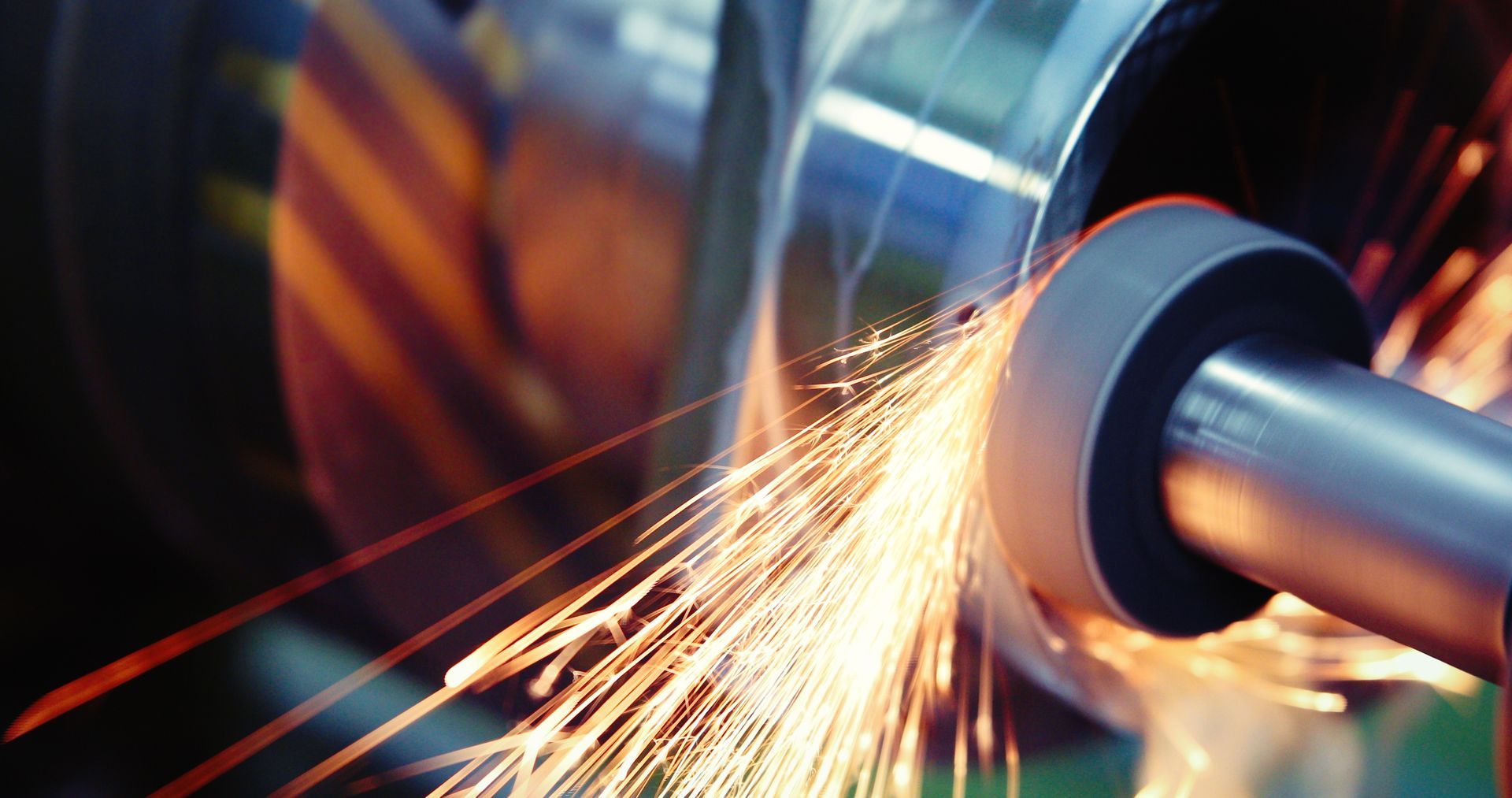
Centerless grinding offers full-length support for stainless bars by rotating them between a grinding wheel and a regulating wheel while supported on a rest blade. This method produces exceptional control over:
- Final diameter
- Straightness
- Roundness
- Surface finish
The process removes small amounts of material but does so in a way that eliminates deflection and produces highly consistent results. Centerless grinding is often the final step before assembly or polishing, especially when components require tight tolerances.
Why a Combined Turn-and-Grind Process Matters
When CNC turning and centerless grinding are used together, the result is a more efficient and predictable workflow. Turning establishes the part’s overall geometry, while grinding perfects the final size and finish. This hybrid approach offers several important benefits:
1. Faster Production
Turning removes most of the material quickly. Grinding then finishes the part to size with minimal removal, shortening the overall cycle time compared to grinding from full diameter.
2. Better Dimensional Accuracy
Turning prepares the geometry; grinding refines the final diameter. The combination provides accuracy that neither process achieves alone with the same efficiency.
3. Superior Roundness and Straightness
Even well-turned shafts may have minor runout or taper. Grinding corrects these issues and produces consistent roundness from end to end.
4. Improved Surface Finish
Grinding produces a finer, more uniform surface finish, reducing friction and improving performance in seals, bearings, and rotating assemblies.
5. Reduced Machining Load
Since most material removal occurs during turning, grinding wheels last longer and operate more consistently.
Manufacturers who switch from single-process machining to a hybrid process often achieve better part quality, reduced scrap, and lower overall production cost.
Applications That Benefit from Turn-and-Grind Production
Many stainless steel parts perform better when both processes are used. Common examples include:
- Hydraulic cylinder rods
- Linear motion shafts
- Pump shafts
- Motor drive shafts
- Precision pins and dowels
- Valve stems
- Structural or marine shafts
- OEM components requiring tight tolerances
In these applications, diameter consistency, straightness, and surface condition directly affect pressure sealing, motion accuracy, and part longevity.
How the Turn-and-Grind Workflow Operates at Action Stainless
The combined process typically follows a structured sequence to maximize efficiency and accuracy.
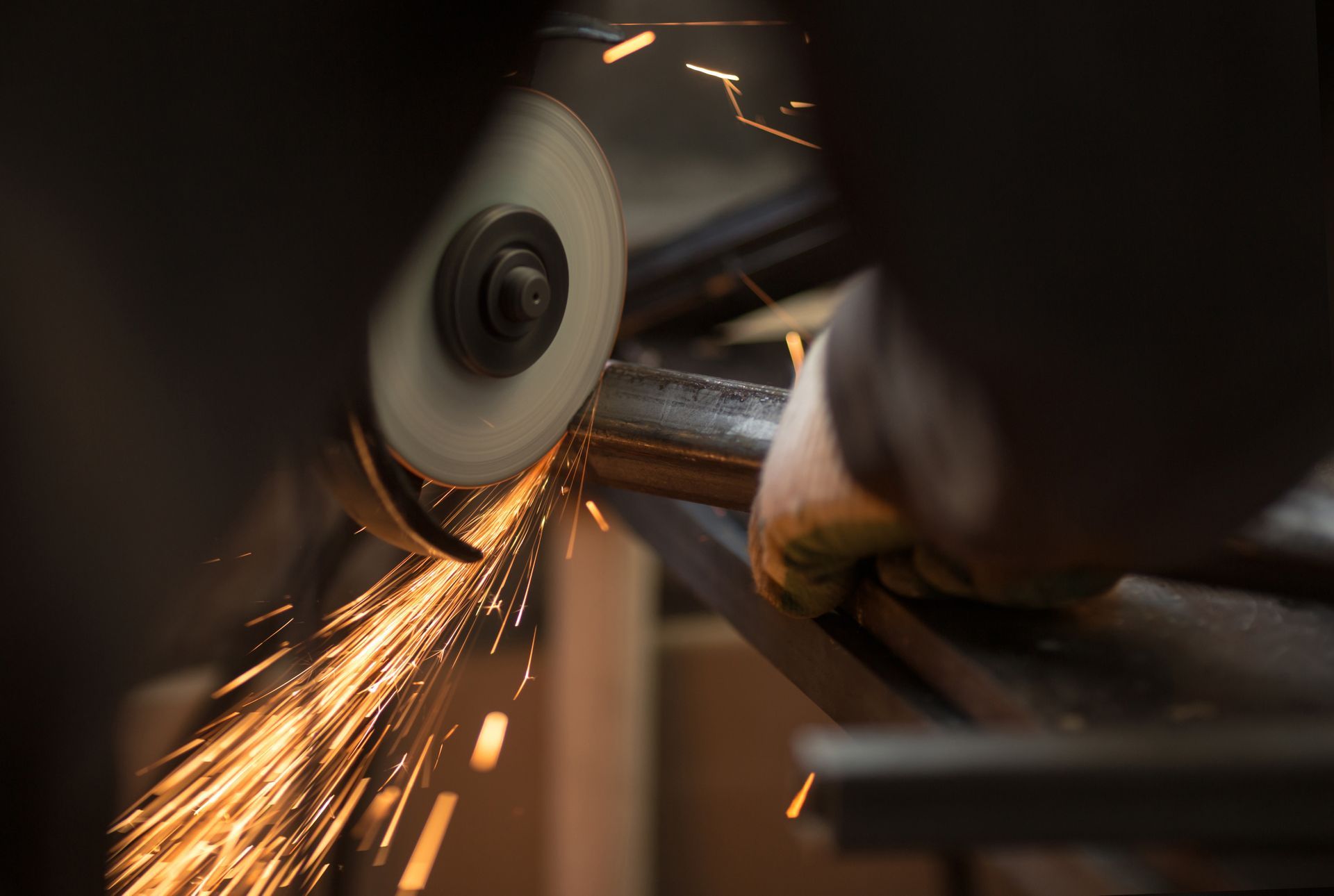
1. Cut and Prepare Raw Bars
Bars are cut to length using in-house cutting equipment before entering CNC machining. Good preparation reduces vibration and improves accuracy in later steps.
2. CNC Turning
Parts are turned to near-final diameter, leaving a controlled allowance for grinding. Features such as shoulders, grooves, or precision lengths are added during this stage.
3. Transition to Centerless Grinding
The turned bar moves directly into centerless grinding. Grinding refines the final diameter, straightens the bar if needed, and improves surface finish.
4. Optional Polishing
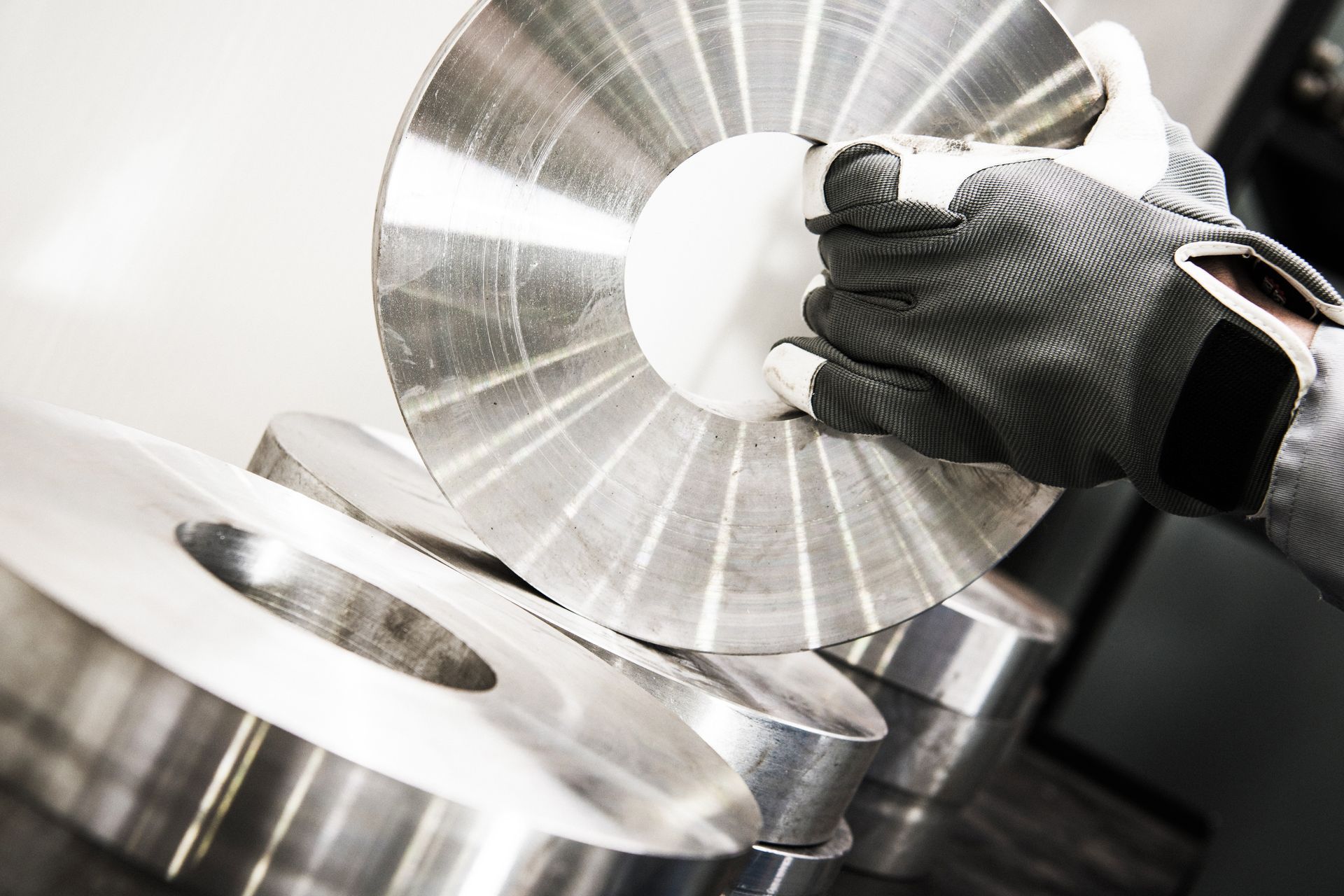
For components requiring a sanitary, reflective, or aesthetic surface, polishing can follow grinding for enhanced finish quality.
5. Final Inspection and Verification
Parts are checked for diameter, finish, straightness, and geometry before shipment or additional machining.
This integrated process maintains continuity and control, preventing quality differences that occur when machining and grinding are spread across multiple vendors.
Comparison: Turning Alone vs. Turn-and-Grind
| Production Factor | CNC Turning Only | Turning + Centerless Grinding |
|---|---|---|
| Diameter Accuracy | Good but may require secondary work | Excellent, consistent across length |
| Roundness | Dependent on tool wear and rigidity | Extremely high due to controlled grinding |
| Surface Finish | Visible tool marks possible | Smooth, refined finish |
| Straightness | Can vary with bar length and rigidity | Corrected through grinding |
| Material Removal | Removes majority of material | Removes small final amounts for accuracy |
| Best Use Case | Custom parts, profiles, threads | Precision shafts, high-performance rods |
This comparison shows why many stainless components require both turning and grinding to meet functional requirements.
Why Turn-and-Grind Produces More Reliable Stainless Parts
Precision is not just about meeting numerical tolerances. It's about reliability during operation. A shaft may measure correctly but still cause issues if it lacks straightness or surface consistency. Combining turning and grinding eliminates these weaknesses, producing parts that perform better under load, rotation, or pressure.
By starting with CNC turning and finishing with centerless grinding, manufacturers achieve:
- Greater component stability
- Longer seal and bearing life
- Improved assembly consistency
- Reduced vibration in rotating systems
- Better corrosion resistance due to smoother surfaces
Action Stainless customers rely on this combined process to maintain quality across repeat orders and performance-critical applications.
Industries That Depend on This Hybrid Approach
The turn-and-grind method is widely used in industries such as:
- Hydraulics - where straightness and finish influence seal integrity
- Food processing - requiring sanitary, easy-to-clean surfaces
- Marine and offshore - demanding corrosion-resistant, dimensionally stable stainless
- OEM machinery - requiring repeatable production quality
- Energy and chemical systems - needing reliable stainless components under pressure
Because Action Stainless provides both turning and grinding in one facility, these industries benefit from shorter lead times, consistent results, and direct control over part accuracy.
Integrated Machining and Grinding: Action Stainless Advantage
Having CNC turning and centerless grinding in-house provides a major advantage for customers who need precision stainless components. Instead of coordinating multiple vendors or managing separate timelines, customers receive a seamless workflow with predictable results.
This integration means:
- Less handling
- Shorter production cycles
- Better consistency across batches
- Single-source documentation and MTRs
- Improved communication throughout production
The result is stainless parts that are not only accurate but also manufactured efficiently and consistently from order to order.
Conclusion
When your stainless components require both dimensional accuracy and refined surface quality, combining CNC turning and centerless grinding delivers the best results. Action Stainless provides these services under one roof, ensuring precision, efficiency, and consistency from the first cut to the final finish.
To request a quote or review machining and grinding options, visit https://www.actionstainless.com and connect with the team for support on your next precision stainless project.
FAQs: Turning and Centerless Grinding
What is the purpose of combining CNC turning with centerless grinding?
Turning shapes the part and removes most material, while grinding refines the final diameter and finish. Together, they deliver accuracy and consistency.
Which stainless parts benefit most from this hybrid process?
Hydraulic rods, pump shafts, precision pins, and OEM components with tight tolerances.
Does turning always come before grinding?
Typically yes turning prepares the geometry, and grinding brings it to final size and finish.
Can Action Stainless handle both processes?
Yes. Both CNC turning and centerless grinding are performed in-house for consistent, efficient production.
Is polishing available after grinding?
Yes. Polishing can be added for sanitary, aesthetic, or high-finish applications.